
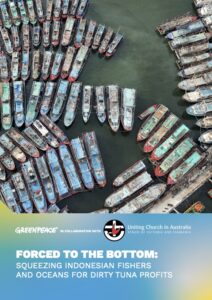
A new investigative report released by Greenpeace Southeast Asia, in collaboration with the Uniting Church in Australia, Synod of Victoria and Tasmania, has uncovered disturbing links between suspected forced labour in the Indonesian tuna fishing industry and seafood sold in Australia.
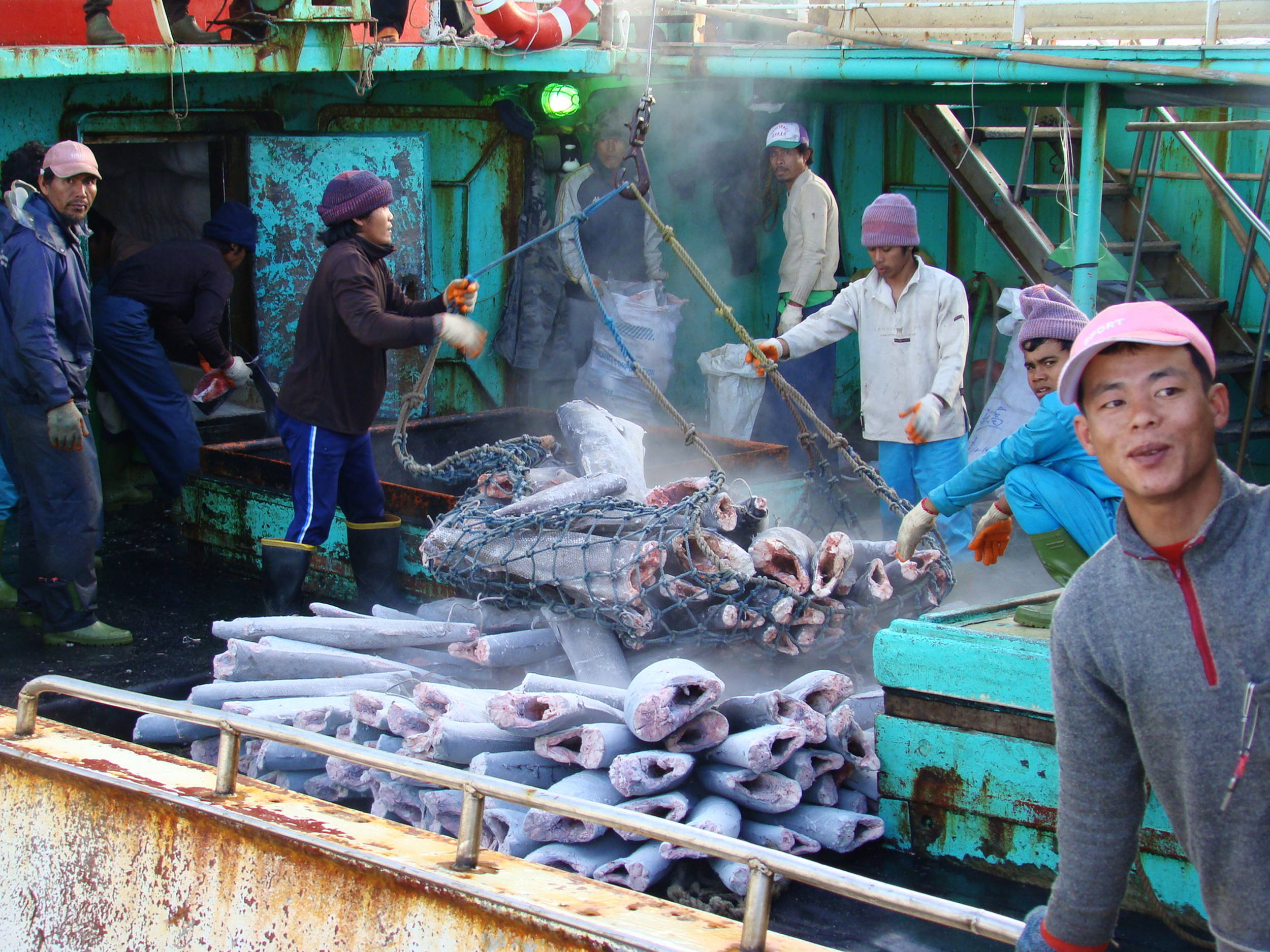
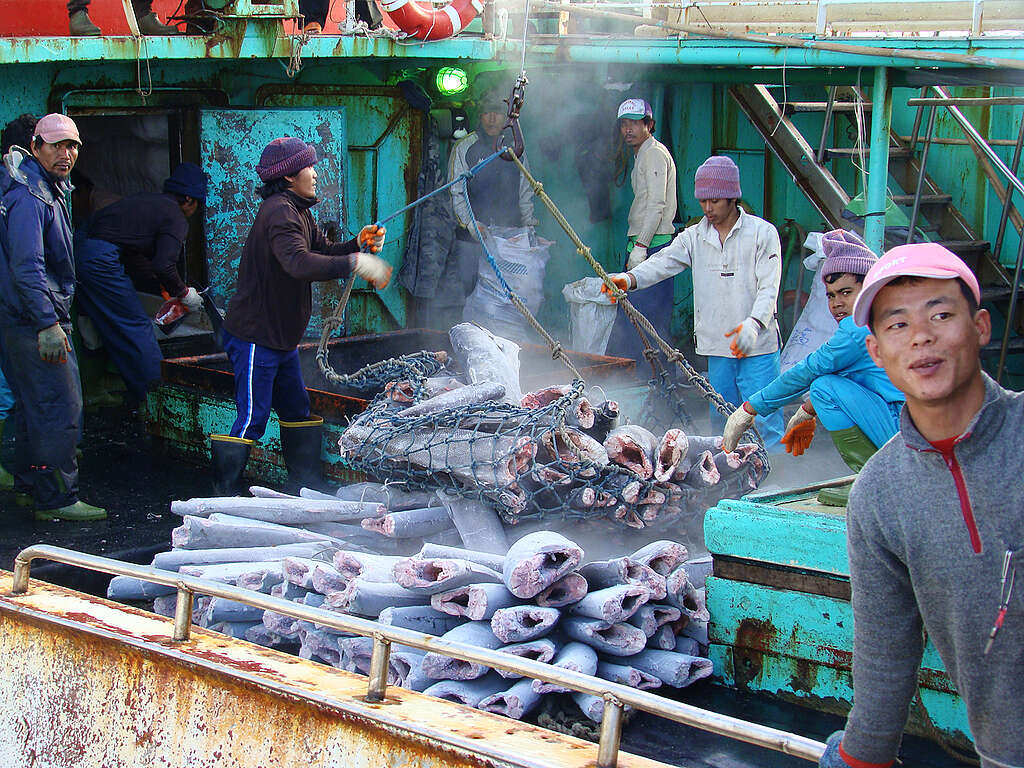
The investigation analysed testimonies from 25 fishers working on 17 Indonesian tuna fishing vessels that supply the Australian market. These vessels supply five Indonesian processing companies, which in turn export to 18 Australian seafood companies, including major brands seen on our supermarket shelves.
The findings raise urgent questions about human rights protections at sea and the integrity of seafood supply chains reaching Australian supermarket shelves.
What the Investigation Found
Fishers interviewed described experiencing multiple internationally recognised indicators of forced labour.
Of the 11 forced labour indicators identified by the International Labour Organisation, the most frequently reported were:
- Abuse of vulnerability (56%)
- Debt bondage (56%)
- Deception (40%)
The report reveals a multi-layered recruitment network in Indonesia that channels vulnerable workers from rural areas into exploitative situations. Labour brokers, known locally as calo, collaborate with vessel administrators and manage recruitment. Fishers reported being lured with promises of high salaries and advance loans, only to be charged illegal and inflated fees for travel, training and documentation.
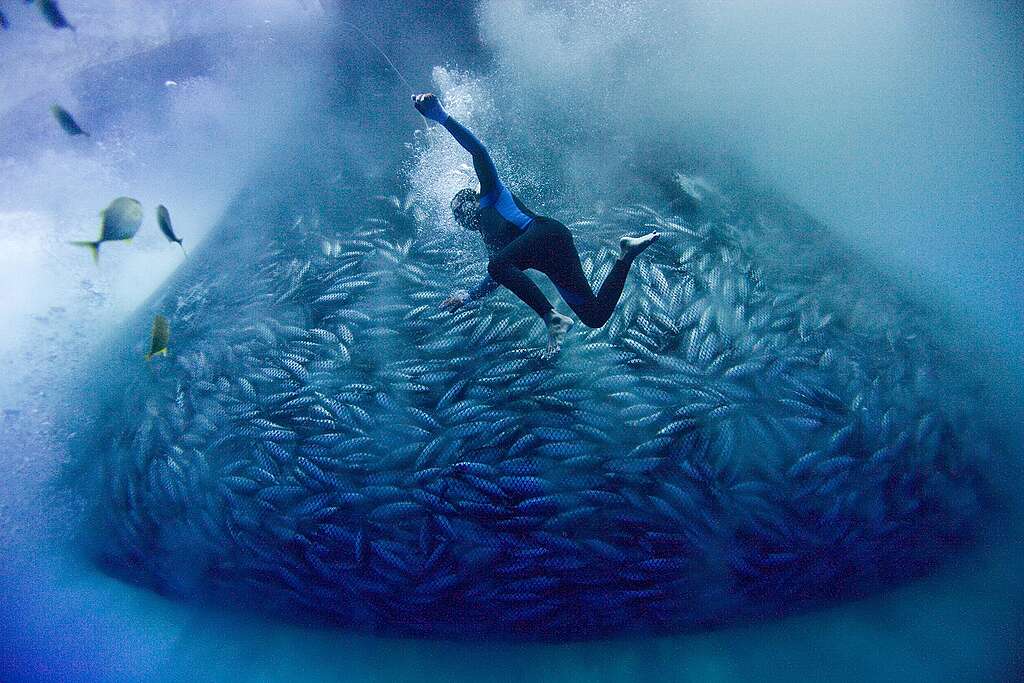
The investigation also found that labour exploitation at sea is intertwined with environmental crime. Companies allegedly pushed vessels and fishers to engage in illegal, unreported and unregulated fishing practices, including shark finning and the deployment of illegal fish aggregating devices.
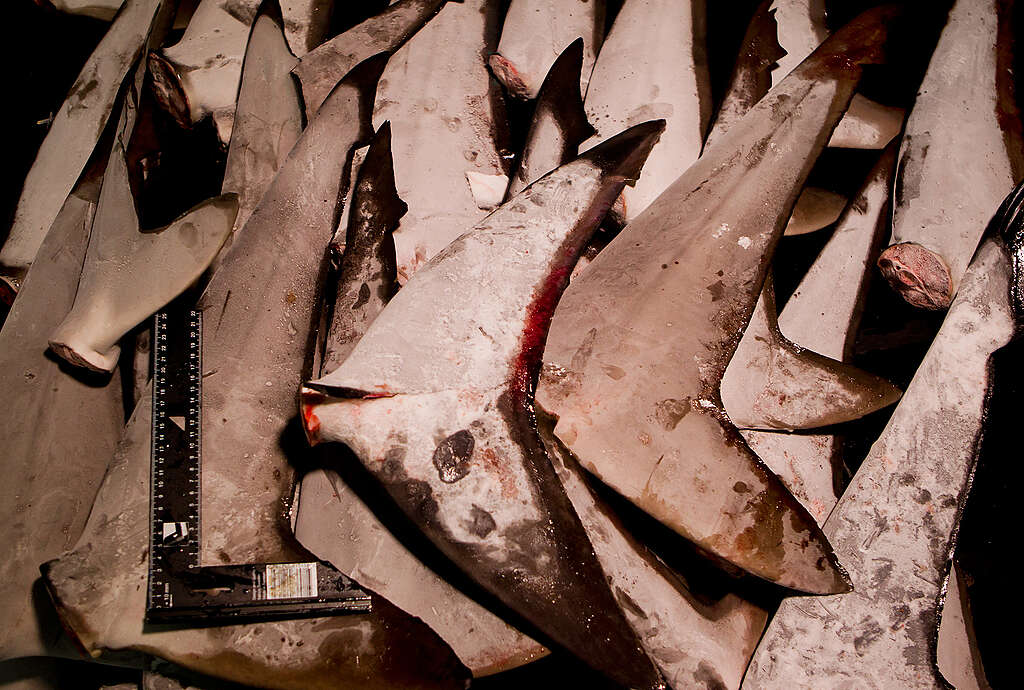
The link between labour abuse and environmental destruction is not accidental. It reflects an extractive system that externalises both human and ecological costs to sustain profit margins.
Industrial fishing not only exploits vulnerable workers and undermines human rights, it also strips life from our oceans, degrading fragile ecosystems and pushing marine wildlife toward collapse.
What Needs to Happen Now
The report calls for urgent action from both governments and industry.
The Indonesian Government must:
- Enforce decent and effective work at sea policies aligned with international standards.
- Ensure ethical recruitment practices.
- Guarantee fair wages and protections for Indonesian fishers.
The Australian Government must:
- Prohibit seafood products linked to labour exploitation and forced labour from entering Australian markets.
Seafood companies in both countries must:
- Conduct robust human rights and environmental due diligence across their supply chains.
These are not abstract policy fixes. They are necessary steps to prevent modern slavery at sea and to stop environmental crime from being embedded in global seafood trade.
Environmental Justice and Ocean Protection Go Hand in Hand
This investigation highlights something fundamental. Human rights and ocean protection are inseparable.
Environmental justice means the fair treatment and meaningful involvement of everyone in creating a healthy environment. When workers are exploited and forced into dangerous conditions, environmental laws are often ignored too. Abuse at sea and ocean destruction are two sides of the same industrial system.
Destructive industrial fishing methods such as longlining and bottom trawling continue to pillage and industrialise the ocean. They kill wildlife, destroy fragile habitats and undermine the resilience of marine ecosystems.
If we want a thriving ocean, we must protect both the people who work on them and the ecosystems themselves.
Why This Matters for Australia and the Global Ocean Treaty
The Australian Government is on the cusp of ratifying the Global Ocean Treaty, the legal instrument allowing governments to create high seas ocean sanctuaries free from industrial fishing. Once Australia has ratified, it has the critical tool it needs to protect the ocean and safeguard beautiful and endangered species like whales, dolphins and sharks from destructive fishing methods in the high seas.
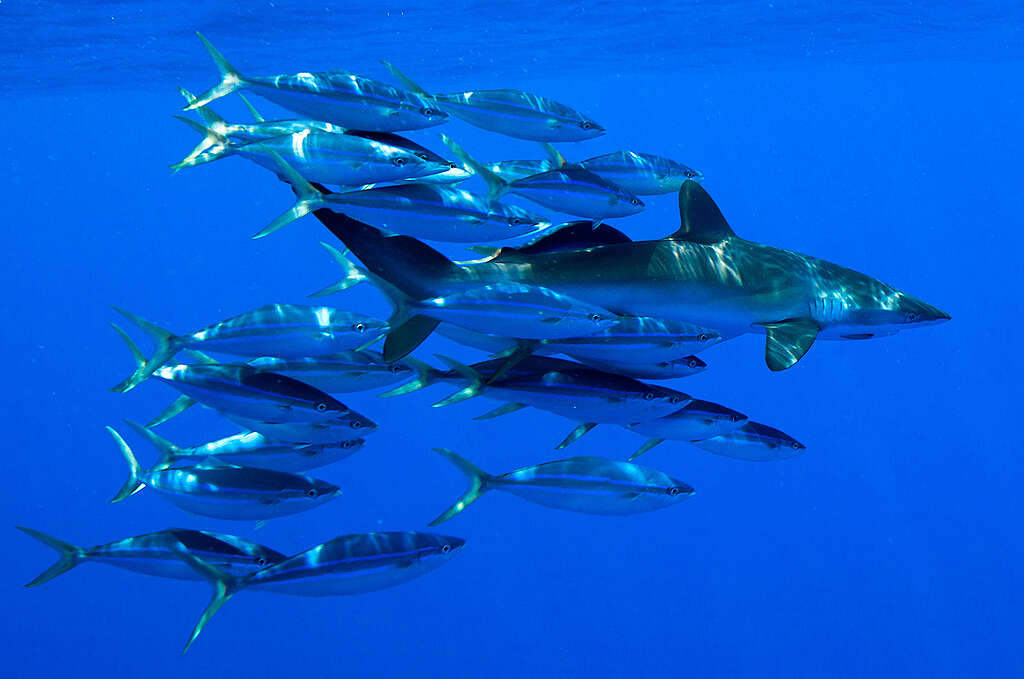
Vast, robust ocean sanctuaries are a crucial solution to the ocean crisis. These high seas sanctuaries will provide a blue haven where wildlife can rest, recover and thrive. Greenpeace Australia Pacific is calling on the Australian government to champion multiple high sea ocean sanctuaries in our region, starting with a first generation ocean sanctuary in the South Tasman Sea between Australia and Aotearoa, free from industrial fishing, whaling and the threat of deep sea mining.
As this investigation shows, the stakes are not only environmental, they are deeply human.
Australia has an opportunity to lead by cleaning up seafood supply chains at home and by championing ambitious ocean protection globally by creating fully protected ocean sanctuaries. Protecting workers’ rights and protecting ocean wildlife must happen together.