


- ‘This is one of the most common – and heartbreaking – estate situations I see’
Dear Vanessa,
Our dad remarried at 67 after our mum died. We were happy for him. He seemed lonely and she brought energy back into his life.
They were married for 12 years.
Dad always told us not to worry – that we would be ‘looked after’ one day. He said everything would eventually come to us.
He passed away last year.
We’ve now discovered his entire estate went to his wife. The house, the investments, everything. There was no trust. No structure. Just a simple will leaving it all to her.
She’s in her early 60s and has two adult children of her own. We’re terrified that when she dies, everything will go to them – and my siblings and I will receive nothing.
We don’t want to fight her. But this feels wrong.

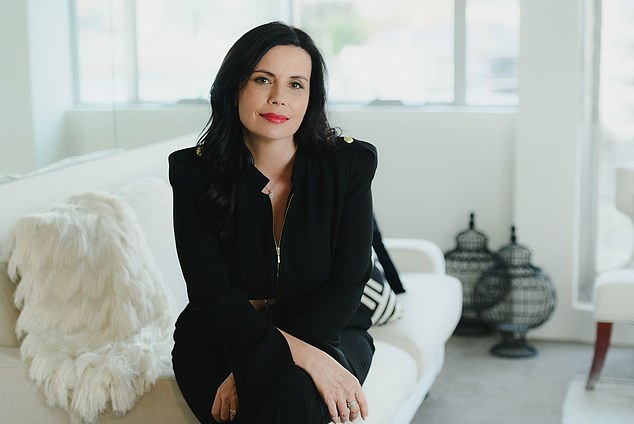
Money educator gives advice about making a will when you have a blended family
Did Dad make a mistake?
Confused and Hurt.
Dear Confused and Hurt,
What you are describing is one of the most common – and heartbreaking – estate situations I see.
When someone remarries later in life, leaving everything to their new spouse often feels like the simplest, most loving decision. They want their partner to feel secure. They want to avoid complexity. They assume fairness will sort itself out later.
But in blended families, ‘simple’ can become dangerous.
In many countries – including the UK, the US and here in Australia – if a will leaves everything outright to a spouse, those assets legally become that spouse’s property. They are free to spend it, gift it, change their own will, or leave it entirely to their biological children.
There is no automatic obligation to preserve it for stepchildren.
That means your stepmother may be under no legal requirement to pass any of those assets on to you when she dies.
That may not have been your father’s intention. But intention and legal structure are two very different things.
Many parents rely on informal promises. ‘Don’t worry, you’ll be looked after.’ The problem is that verbal reassurance disappears the moment paperwork takes over.
Blended families require more planning, not less.
There are legal structures that can protect both a surviving spouse and children from a first marriage – for example, life interest arrangements or trusts that allow a spouse to live in a property or receive income during their lifetime, while preserving the underlying capital for children later. But those must be deliberately set up.
A basic will leaving everything to a spouse does not create that protection.
It doesn’t necessarily mean your father made a mistake. He may have believed trust would be enough. He may have assumed goodwill would prevail. He may have felt uncomfortable raising the topic directly. Many people avoid these conversations because they feel awkward or fear conflict.
Ironically, avoiding the conversation often creates far greater conflict later.
Before taking any steps, I strongly recommend seeking legal advice in your jurisdiction to understand your position. There are sometimes time limits on contesting a will. However, challenging an estate can be expensive and emotionally exhausting. It can permanently fracture already delicate family dynamics.
That’s why these conversations matter so much while everyone is still alive.
Across the world, families are changing. People are living longer. Divorce and remarriage are common. Children and stepchildren are part of modern life. Yet many wills are still written as if every family fits the traditional model.
They don’t.
And when the paperwork doesn’t reflect the family structure, someone almost always feels blindsided. If there is one lesson in your story, it is this: love is not a legal strategy. Trust is not an estate plan. Silence is not protection.
For anyone in a second marriage – or with adult children from a first – clarity is an act of kindness. Spell it out. Structure it properly. Explain it openly.
Because when estate planning goes wrong, the argument isn’t just about money.