


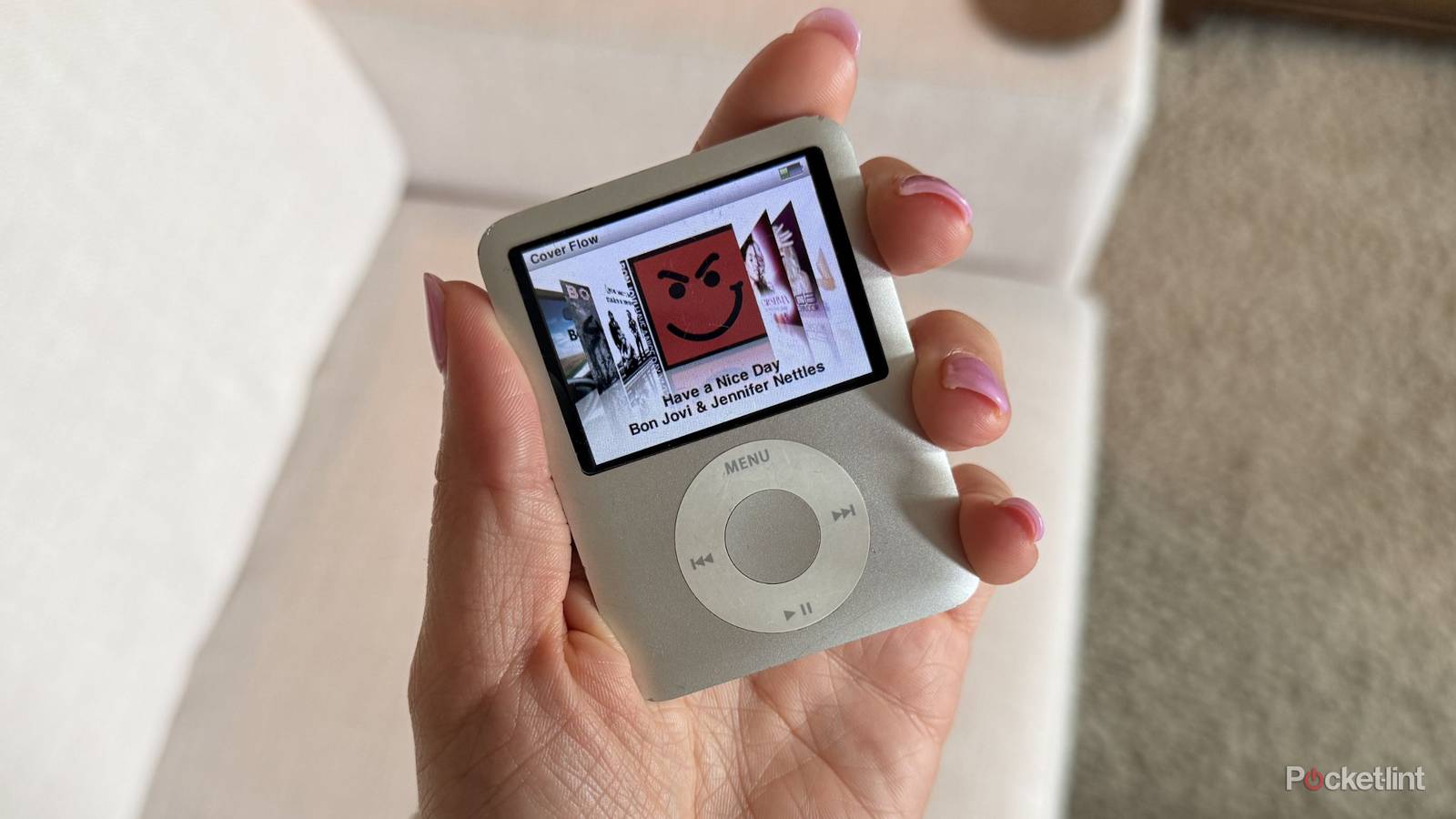
“Apple Music or Spotify?” Neither, sometimes. While I pay for both major streaming services so I can faithfully report on them, there’s an overwhelming feeling that comes with having millions of songs just a few taps away. It seems that there’s always some new single to stream or album to pre-save, like keeping up with a social media timeline instead of appreciating what’s already in your own personal camera roll.
Streaming is convenient — I won’t dare argue with that. I want my hands on any new Megan Moroney song the second it drops, and that would have taken a few minutes to load onto an MP3 player back in the day. But that was just it — back then, music wasn’t ultra-available, consumable content. It was songs, albums, and the occasional EP you spent hard-earned cash on (even if that cash was my weekly allowance money). My collection was smaller by thousands of songs, but each one of those songs was a conscious buying decision — there were no mistakes on my playlists.
And while iTunes doesn’t exist anymore, Apple couldn’t delete its old hardware in my possession. Namely, my third-gen iPod nano. The mirrored gadget has surprisingly held up over the years, and here’s why I won’t give it (and that old iTunes library) up any time soon.
I like my limited library
Less music means more

Music, like social media posts, is available in unlimited abundance nowadays. I compare it to social media: every second, someone is posting something to your timeline, just like every time you open a streaming app, it’s promoting some new single, EP, or whole album from artists you know (and don’t).
You’re constantly being bombarded by ‘discoverable’ content designed to keep you engaged or satiated, but always coming back for more. I don’t even have to listen to five seconds of a song to add it to a playlist, and I often even wonder why I liked it the next time I hear it. Because each song used to be a conscious purchase, I had to love it to even consider adding it to my library.
I judged songs differently, and the ones that made it onto my iPod were always ones I considered favorites. Instead of scrolling for a few minutes trying to find the ‘perfect’ song on a Spotify playlist 300 tracks long, I can hit shuffle on my iPod nano and blast one I know is my favorite from way back when. There’s no choice paralysis when you have limited choices.
My iPod is a time capsule
And a high-value library

Speaking of my favorite songs from way back when, every song on my iPod nano was uploaded between 2007 and 2010. I was a kid, and the limited library I created is a nostalgic snapshot of my life back then. When I’m feeling nostalgic, I’ll ditch my iPhone and take my iPod nano out on a walk instead and listen to Avril Lavigne and the Mamma Mia soundtrack with the giddiest grin on my face. It makes me feel 12 years old again.
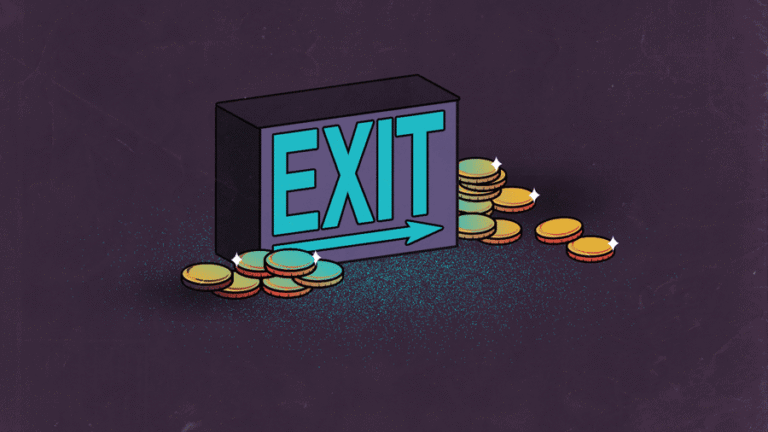
And even if I wanted to upload new songs via iTunes, I couldn’t — Apple finally did away with it in 2019. Back in the iTunes days, I’d fork over all $16 of my chore allowance (back) to my parents just to buy a few songs and load them onto my faithful iPod nano. Thanks to my abundance of siblings, many old albums were bought by pooling our weekly pay together. But even with all our coins stacked together, we didn’t drop thousands of dollars on our iTunes library, so every song was important.
Discovering new music has never been easier or cheaper through streaming services. But it also lessens the value of each song you choose to add to a playlist. Every song I chose to buy for my iPod was one that I could easily call a favorite, even to this day, and both that and its time stamp makes my iPod nano’s library infinitely more valuable in its limited quantity than all the music in my world at my fingertips on Spotify.
iPods are distraction-free
Bring back intentional technology

I live in a physically active city. As soon as 5PM hits and the weather is nice, everyone crawls out of their cubicles and hits the sidewalk to walk, run, or just catch up with friends. Those venturing solo are usually sporting wireless earbuds or even Apple EarPods, but they’re almost always attached to a smartphone.
This is where I get looks — when people see that I’m not holding a phone but something smaller, they usually double-take. “Is that an iPod?” they ask incredulously. I nod, and show them the scratched-up screen that’s often older than most elementary school children, and we share a moment of nostalgia together.
But what’s important is that on those iPod walks, I’m not receiving notifications or feeling the need to check my email or text messages. The only thing my iPod can do is play music, and it doesn’t pretend to be anything that it isn’t. I’ve determined that iPod walks are peaceful walks, and they let me enjoy music without the responsibilities and obligations that come from my iPhone.