


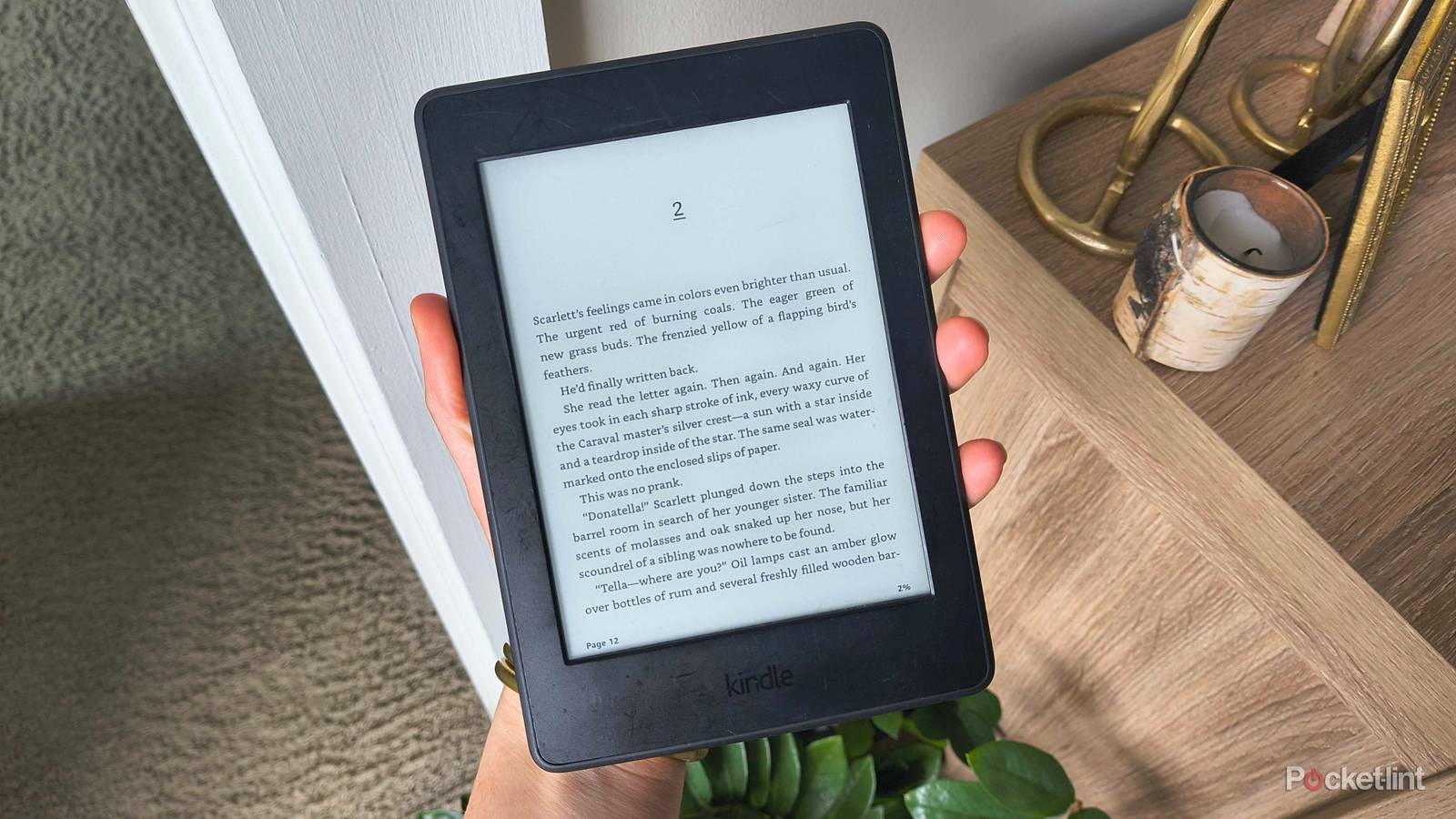
I believe I have the best e-reader on the market: the latest and greatest 2024 Kindle Paperwhite. While the e-reader community has mixed (and strong) feelings about the Amazon ecosystem, Kindles are the e-readers that best fit my lifestyle — not to mention, house thousands of the stories I’ve devoured over the last decade and a half.
11 years ago, I received the 7th-generation 2015 Kindle Paperwhite for Christmas, and it altered my reading habits to the point of no return. When the new 2024 Paperwhite came into my possession, you would probably think that I tossed the 2015 tablet into the miscellaneous drawer to collect dust — but the opposite happened.
The 2015 Kindle Paperwhite is objectively slower than the 2024 model, but I still use it every day. Speed is a nice spec, but I truly hadn’t paid it much attention to when it came to my e-reader. After all, the essence of E Ink displays is their slower, more analog-feeling screens. But using the 2015 Kindle Paperwhite alongside my new model made me realize speed does matter — just not in the way you’d expect.

- Storage
-
16GB
- Brand
-
Amazon
- Screen Size
-
7-inch E-ink (300ppi)
- Connections
-
USB-C
Why I use an 11-year-old Kindle alongside the new 2024 Paperwhite
Two designated jobs

As soon as I was the proud owner of two Kindles, I immediately assigned the older one a more rough-and-tumble role. The 2015 Kindle had already seen its fair share of scuffs and scratches, and if something happened to it out in the wild, it wouldn’t be nearly as painful to replace as the new one. Size-wise, the older Paperwhite actually resembles the new entry-level Kindle with its 6-inch display, making it much easier to throw in a Lululemon belt bag or purse to bring to a coffee shop.
The 2024 Paperwhite is my homebody device. I keep it safe and sound on my nightstand or bookshelf where it waits for me to settle in on the couch for a longer, cozier reading marathon. It’s a nicer reading experience (obviously), and I always know where it will be. Meanwhile, the older model could spend the night in my car, gym bag, or even a friend’s house, and I wouldn’t miss a page by leaving it there.
Because I read on both devices daily, I experience the speed shifts more than the average reader. I read on the 2024 Paperwhite when I want to get absolutely lost in a book and forget that I’m even looking at words on a page. I read on the 2015 model every other time I want to sneak a chapter or two in, and it’s noticeably slower. But I quickly discovered that slowness is a feature, not a flaw, and is even something I think many readers should strive to get back to. Let me explain.
My old Kindle is slower, and that’s the point
Slow and steady wins the race

Oscillating between my 2015 and 2024 Paperwhites isn’t as painful as the nine-year generation gap implies. Everything is fast now — if my laptop takes more than half a second to load a web page, it feels like the end of the world. Don’t even get me started on the anguish I feel when a text doesn’t go through instantly. Woe is me, right? But e-readers aren’t like smartphones, tablets, or laptops — their E Ink displays are inherently slower, and no one expects them to compete with an LCD or OLED screen.
Once you’re inside a book, the speed difference is barely noticeable. Your mind and fingers calibrate to the response rate, and it just becomes the way you’re reading in that moment. Just like my 2024 Paperwhite doesn’t ruin reading a physical book, its impressive speed doesn’t ruin the 2015 e-reader — that still works perfectly, by the way.
Reading is a slower, single-purpose activity that forces you to live in the present moment and delay the instant gratification we feel so entitled to in 2026. A little bit of lag doesn’t sabotage the core experience, and I’d actually argue that it improves it. Slower navigation on the 2015 Kindle forces me to actually commit to whatever title I tap into — could you imagine opening and closing books like you would apps on an iPhone?
The sluggish page turns also create just enough friction inside the book to make me pause and appreciate whatever’s coming next instead of it instantly populating before my eyes. It’s refreshingly old-fashioned (hyperbole, of course, since we’re reading books on tiny screens), like the e-reader is an old grandma expecting patience — because what else would you do?
Bring back intentional reading
Not every book needs to be binged

A slower user experience leaves no room for darting around, fiddling with settings, or multitasking (the ultimate reader crime). It makes reading a slower activity again, which was the whole point all along. The buffer is grounding, unlike the frantic rhythm I’m used to on my phone and tablet. As soon as I realized this, reading became much more intentional — much like it used to be when I exclusively read physical books.
This is largely why I started keeping my old Paperwhite in my “go” bags, so I could whip out the little e-reader in the TSA line, while I was waiting for my coffee, or even in the short gaps between meetings where work tasks could wait just a little while longer — all places I used to unconsciously open Instagram or TikTok and succumb to the doomscroll. Now, I’ll let my eyes devour a few pages in those waiting moments, which quiets my brain more than social media or a binge-read ever could.