


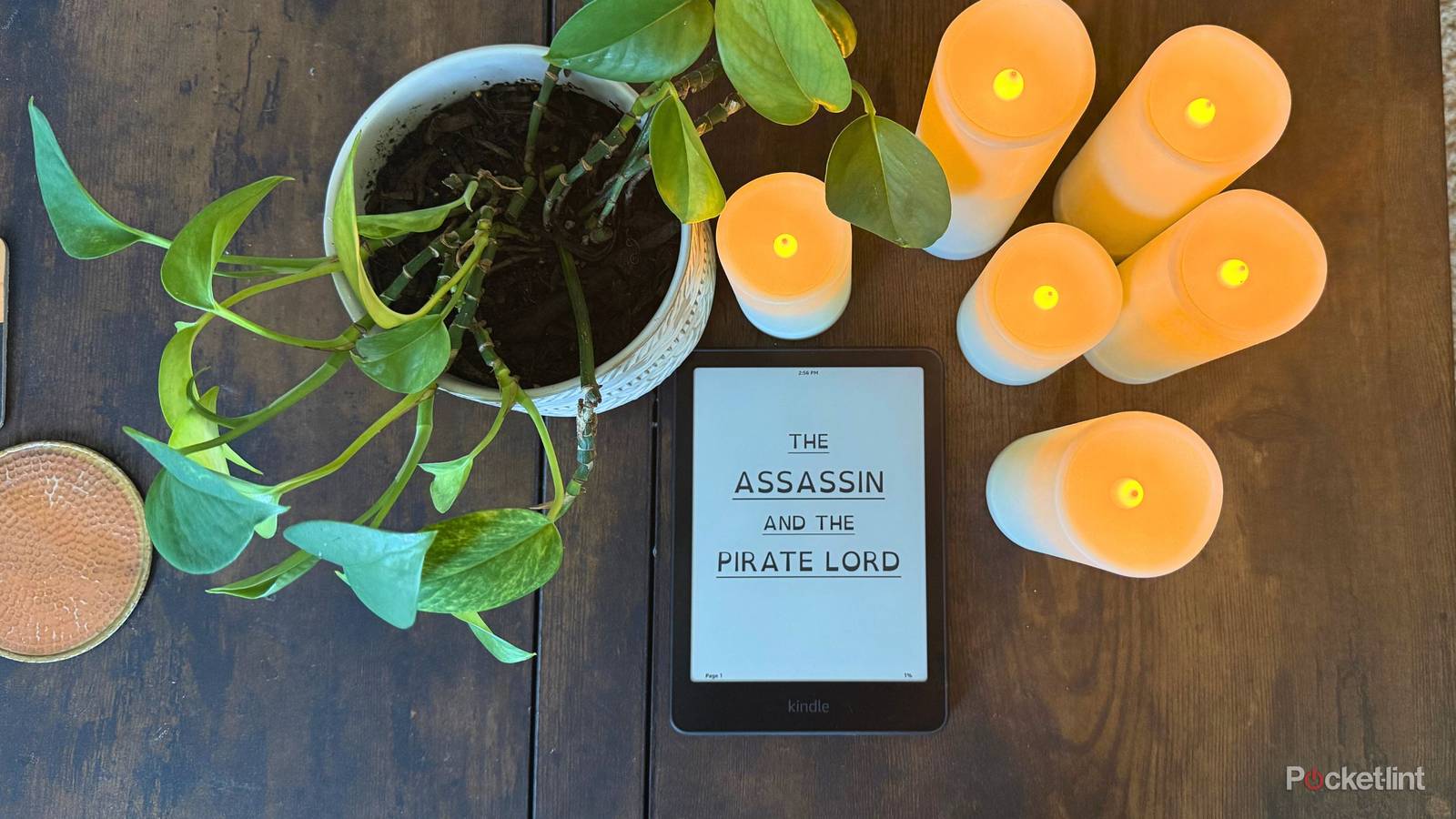
There is so much I enjoy about using my Kindle. The convenience it affords is paramount, especially as someone who likes to bounce around between multiple books in progress. The ability to easily read outside on a bright day as well as in a dark bedroom at night makes the Kindle almost indispensable. Which is why it’s so frustrating that my Kindle, and your Kindle, are so vulnerable to malicious attacks.
The most pressing concern for all e-reader enthusiasts is that the stories you read digitally can be altered, updated, or even censored. They’re not really yours, and that means they can be tinkered with. Streaming titles or downloading stories on a device via another platform allows a lot of room for tactics that are annoying and highly questionable. Here’s what you need to know and how you can protect yourself your books.
Your ebooks can be changed
Digital copies are vulnerable to alterations and edits

There was quite a bit of online uproar at the discovery of a section of Pretty Little Liars, published 20 years ago, that included a reference to TikTok. The small change was meant to connect with modern audiences who are engaging with the story for the first time; it was made in both new print copies and online ones.
However, it points to a big issue concerning the integrity of the stories you read. Changing a small reference doesn’t seem like a terrible intrusion, but it does mean that your ebooks can so easily be altered without any notice or fanfare. The books you download may not appear now as they were once intended. Dated allusions could be taken out, and so could words or phrases that are now considered offensive.
Updates to editions aren’t new, but whereas often the goal is to consolidate storytelling for fans, making sure longer franchises are coherent and consistent, changing text in order to appeal to new readers seems gross. It becomes a piece of fluid marketing as a opposed to a piece of literature or storytelling.
Censorship of books is a potential problem
Companies can limit access

The biggest worry, of course, is censorship. There are political and social movements looking to ban books; it’s not unreasonable to think that these movements could find ways to alter or block ebooks as well. As more people become reliant on digital media, they become subject to those in control of the digital media. In the case of Kindles, the controlling party is Amazon, a company very proud to prioritize profits or any concerns around the health or safety of its employees or consumers.
It’s worth remembering when buying books from Amazon or Kobo, for example, you own a license and not the book itself. As long as you are within a company’s ecosystem and operating on their platform and under their rules, you don’t actually own a copy of the media. And that means it can be changed. Streaming services have been doing this for a while; they remove episodes of shows that they deem offensive or unsuitable, and that judgment may be one you agree with, but it also may be one that you don’t agree with.
These are complicated transaction and ones where you don’t have a lot of power as the consumer.
Advertisements will keep encroaching on the Kindle
Companies won’t stop until ads are on every page

There is really no stopping ads unless something drastic happens to the foundational elements of society. Every service or app or social you enjoy is working constantly to put ads in front of you and sell you stuff. That’s part of the reason why streaming services keep raising prices: they want you to price you out of ad-free tiers because they make more money when they get to put commercials in front of you.
It’s inevitable that ads will come to e-books in a much more aggressive way than they are now. It will be subtle at first, and take place incrementally. Instead of ads when you unlock your Kindle, perhaps you’ll start to see ads at the start of each chapter. Maybe after reading a certain number of pages an ad will pop up that you have to wait for in order to scroll past. Maybe there will be links in your text to take you to an Amazon product page. I’m not giving out free ideas: companies have already thought about all of these and ads will continue to be more invasive.
Stay private and read without distraction

One of the best things you can do right now is take your Kindle offline and turn on airplane mode. Doing this will prevent updates that can alter the makeup of your Kindle while also limiting access to your personal reading information. Amazon doesn’t need to know what you’re reading, mainly because it’s only going to use that information to create a detailed profile about you in order to sell you stuff.
Your Kindle can be a home for countless books, but you don’t need constant online access to use it. In fact, you’re probably better off not being online when you’re looking to read, avoiding distractions and preventing Amazon from creeping into your space. It doesn’t take too much effort to manually drag and drop files from a laptop to a connected Kindle instead of sending ebooks directly to your reader via a wireless connection. Since Kindles do a lot to restrict that process, many users are probably already operating manually.
Protect all your digital copies
Invest in physical media where possible

It’s important to go to the source. Streaming content and downloading titles to your devices is incredibly convenient. For many, it’s a cheap, accessible alternative to buying or renting media. But it does threaten the quality, integrity, and longevity of your media.
Be mindful of how you’ve acquired your ebook; if you’re getting it through Amazon or another company, you likely only have a license to access the ebook, and not the ebook itself. If you have a DRM-free ebook, or a copy from a public domain, then you have a more permanent copy. You’ll want to store your files locally and offline to make sure you can access them without interferences.
If you have the space and money, I’d recommend investing in physical copies of your favorite and most cherished books. Especially if these books are decades old or even the least bit controversial. Start your collection now.