
A compact powerhouse that finally grows up
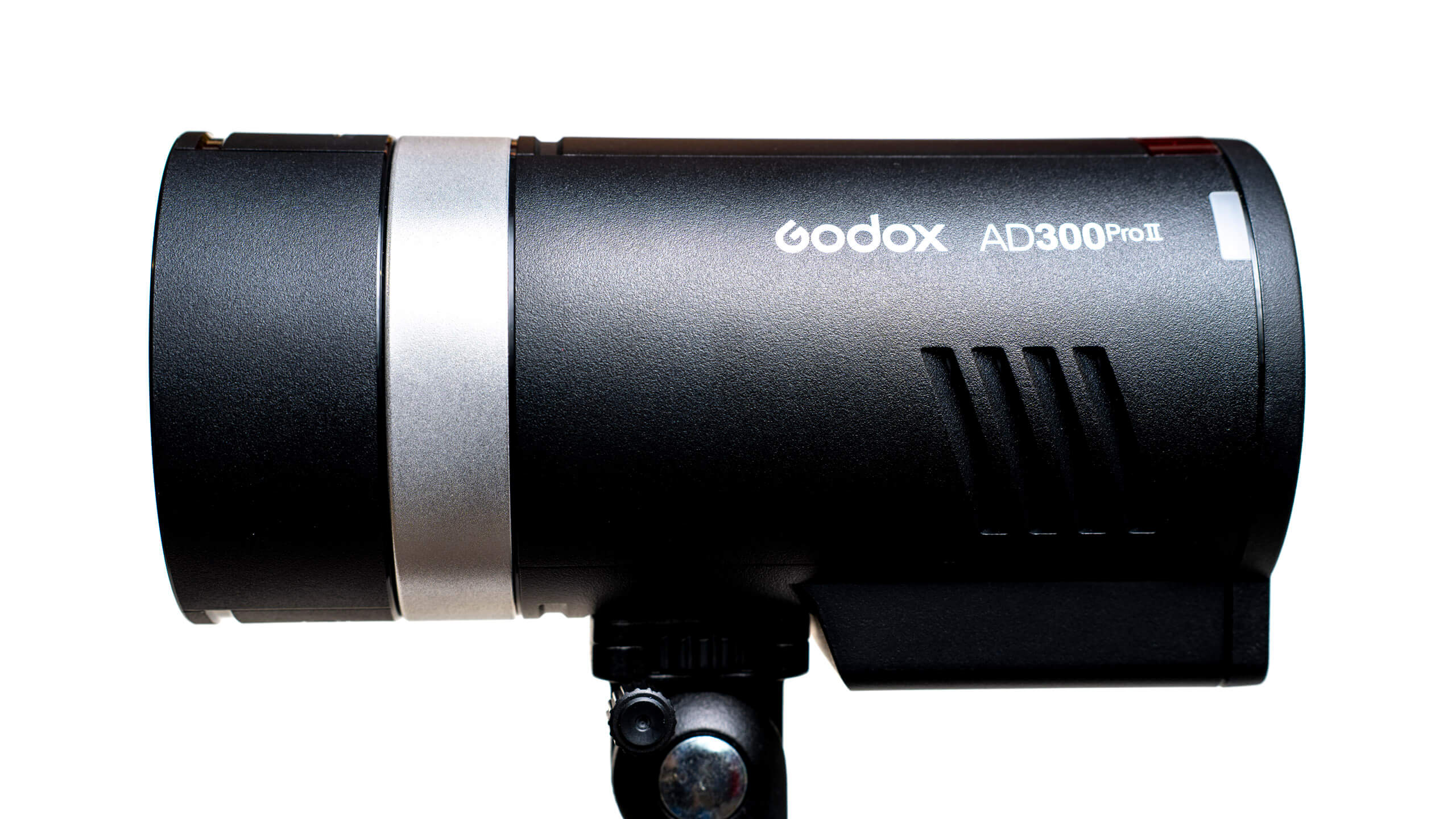
The Godox AD300Pro II feels like a very deliberate refinement rather than a flashy reinvention, and honestly, that is exactly what most working photographers want. It keeps the small, location-friendly form factor that made the original AD300Pro so popular, but tightens up performance, usability, and consistency in ways that matter when you are actually shooting.
At 300Ws, this flash comfortably sits in that sweet spot between speedlights and the larger AD400 or AD600 units. It is powerful enough to overpower daylight in many situations, yet light and compact enough to throw in a backpack without thinking twice. For portrait shooters, still life photographers, and anyone who spends time on location, it is a very appealing balance.
Real-world performance
In use, the AD300Pro II feels fast and confident. Recycle times are quick, output is consistent, and the colour stability is noticeably solid across the power range. Whether you are shooting wide open outdoors or building layered light in a studio setup, it delivers predictable results, which is something you really start to appreciate after a long day on set.
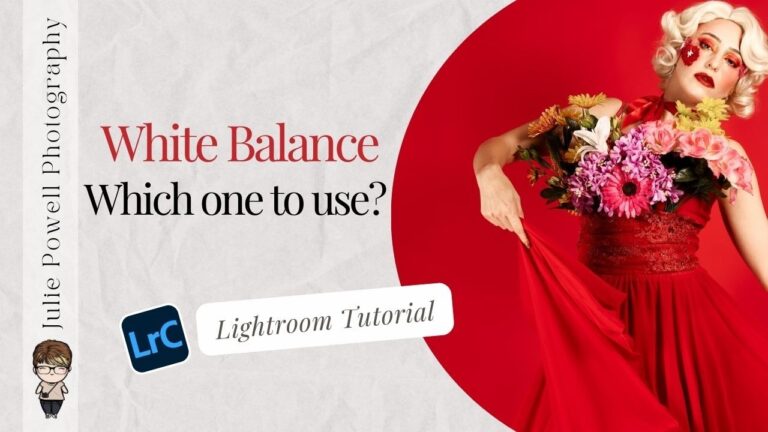
Images taken on Sony A7RV and Tamron 28-75mm lens, Godox AD300Pro II with reflector and Godox AD200ProII
TTL and HSS work reliably, and switching between systems is seamless if you are already invested in the Godox ecosystem. Pair it with an X-series trigger and it just behaves, no drama, no fiddling. The menu system is quite different to the Godox AD200Pro II, but it doesn’t take long to find your way around.
Freeze mode and burst shooting
This is where a lot of people trip up, including me, so it is worth spelling out clearly. If you want to run burst mode, you must switch the flash mode from Normal to Freeze. Burst simply will not function in Normal mode, even with HSS turn on.
Freeze mode prioritises ultra-short flash durations, which is what allows the AD300Pro II to keep up with rapid firing sequences. It is brilliant for motion work, splashes, hair flips, fabric movement, or anything where timing is critical. Just remember, if burst is not working, it is almost always because the flash is still set to Normal mode. Flip it to Freeze and you are good to go. This only works with relatively short bursts, so remember that.
Modelling light and build
The built-in LED modelling light is genuinely useful, not just a token addition. It is bright enough for pre-visualising light placement and works well for hybrid shooters who occasionally dip into video. It also has the ability to change the colour mode for the modelling light. The body itself feels solid and well thought out, with intuitive controls and a clear screen that is easy to read outdoors.
Battery life is strong for a unit this size, easily covering extended portrait sessions or location shoots without constant battery anxiety.
Great for Product photography (like the Godox iT32 on the Nikon ) or more creative shoots like the lightbulb shoot.
Where it fits best
The AD300Pro II shines for photographers who want flexibility. It is ideal for environmental portraits, creative studio work, still life, and lightweight location kits. I used it with a light tent for product shots too. If you are regularly shooting large groups or competing with brutal midday sun, you may still want to step up to a higher-powered unit. But for most real-world scenarios, 300Ws goes a long way.
Key Specifications
- Power Output: 300Ws
- Flash Modes: TTL, Manual, Multi
- High Speed Sync: Up to 1/8000s
- Freeze Mode: Yes (required for burst shooting)
- Burst Mode: Supported in Freeze mode
- Wireless System: Godox 2.4GHz X system
- Modelling Light: Built-in LED
- Battery: Rechargeable lithium battery
- Mount: Godox mount (Bowens via adapter, not supplied) I found this annoying as I could not use any of my standard softboxes and had to use an umbrella.
Pros
- Excellent power-to-size ratio
- Reliable TTL and HSS performance
- Freeze mode delivers very short flash durations
- Burst mode is genuinely useful once set correctly
- Solid colour consistency
- Compact and travel-friendly
Cons
- Burst mode requires manually switching to Freeze mode
- Godox mount means an adapter is needed for Bowens modifiers, not supplied (my Bowens adaptor for the AD200ProII will not fit the larger AD300ProII
- Not enough power for every full-sun scenario, large studios or groups
- Has a different menu structure to AD200Pro II
See Godox AD300Proii (and AD200Proii) in action during a workshop [about 2minutes in]