


Before HDMI became the great unifier that has now spanned several generations, we had to deal with a variety of different cables just to get a good picture on our screens. As somebody who has started to get more into retro gaming, I see how sought-after component ports are. It seems strange considering that’s something that it felt like people were dying to get rid of, but you know how it goes with nostalgia.
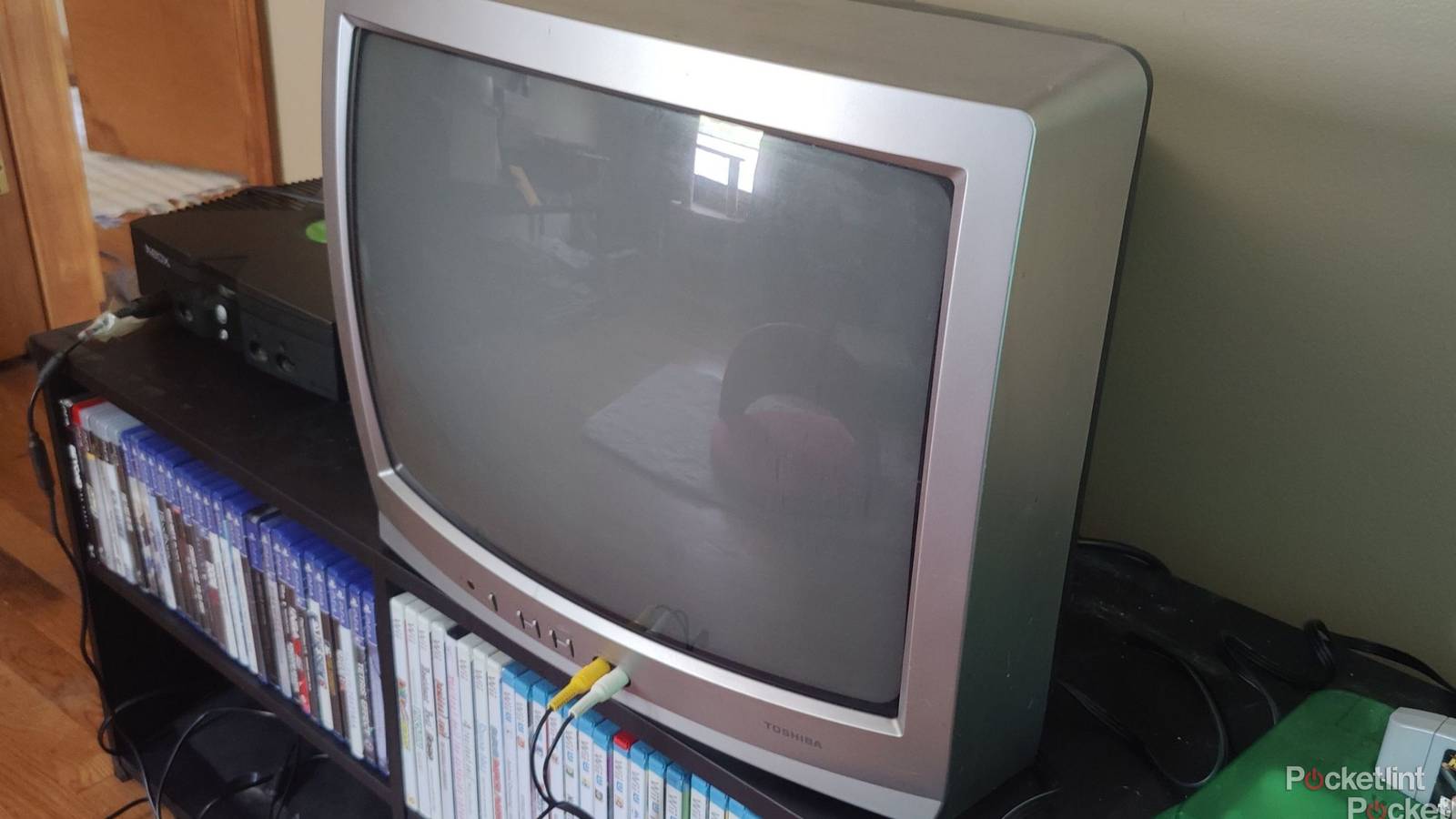
When it comes to the pre-HDMI game consoles, you have your pick of composite, component, or S-video. Each format has its share of fans, and if you had a cheap CRT TV, then chances are that you were rocking one with just composite ports. Of the three, this is the lowest quality port, and people looking for color accuracy and a good-looking picture are likely to go after component ports on their CRT TV.
In today’s world, beggars can’t be choosers because there are fewer and fewer CRT TVs available with each passing day. If you come across one on the side of the road with component ports, you should snag it.
Component is big for older consoles
The best of the best

With all the knowledge we have today, we don’t have to be stuck with basic composite cables. I want to stress that there’s nothing wrong with composite, and if you enjoy it, you enjoy it. I have a few CRTs with composite-only inputs, and I’ve still gotten a lot of mileage out of my Nintendo 64 thanks to it.
However, it’s been clear for a while now that component inputs stand head and shoulders above composite. The problem is that it’s tough to track one down, and when you find one for sale, it feels like the seller very much knows what they have. Just a decade ago, it seemed like you couldn’t give away a CRT TV, and now we’re to the point where people are charging you hundreds of dollars for a Sony Trinitron.
I guess I get it, though. If you have the money for a retro gaming setup, and you don’t want to shell out for something like a RetroTINK, your best bet is a TV with component inputs. If you don’t know the difference between these inputs, let me put it in the simplest terms. If you are trying to plug in your PlayStation 2, and you don’t have red, green, and blue cables, then you don’t have component. The same thing goes if you’re just using two of the three available cables. Component lets you utilize all three of your cables, and the result is better quality all around. All of your consoles leading up to the HDMI ones benefit from this port, and you can even get away with using your Xbox 360 and PS3 with component inputs if you have the option.
Easier said than done
You might have to take what you can get

I’ve managed to find a few CRT TVs being thrown out, but none of the ones I came across have component inputs. I’m not saying it’s impossible to find them in the trash, but I haven’t been lucky enough to find any in the few years I’ve been searching. What I’m trying to say is that if you are dead set on having component inputs for your CRT TV and aren’t willing to pay for it, I think you should look elsewhere.
I’m not even sure if thrift stores take TVs like this anymore, and any time I pop into a Goodwill, it’s always flat screens instead of CRTs. I managed to find a TV with practically every input under the sun, but it was nothing compared to a true CRT model.
There are so many problems to be aware of when getting into the world of CRTs, too. At this point, it’s been decades since these were in production, and it means that if something goes wrong with one, you’ll probably have to learn how to fix it yourself. I tinker around with old electronics quite often, but a TV of this size is a different beast. I’d have to do a lot more research on how to fix one of these than I would with something like a Game Boy, and I don’t know if it’d be worth the effort for me.
I get why people keep hobbies like this alive, and if I were somebody truly dedicated to retro gaming, a TV with component inputs makes perfect sense. What you have to ask yourself is whether it’s worth the time and money to track one down. As is the case with many things, I think it’s worth it for enthusiasts. If you grew up using composite cables and have fond memories of them, then I don’t see why you can’t have that same experience as an adult. Speaking for myself, I’ll just wait until I get lucky and find one for free. If it doesn’t happen, I’ll be fine using what I have.