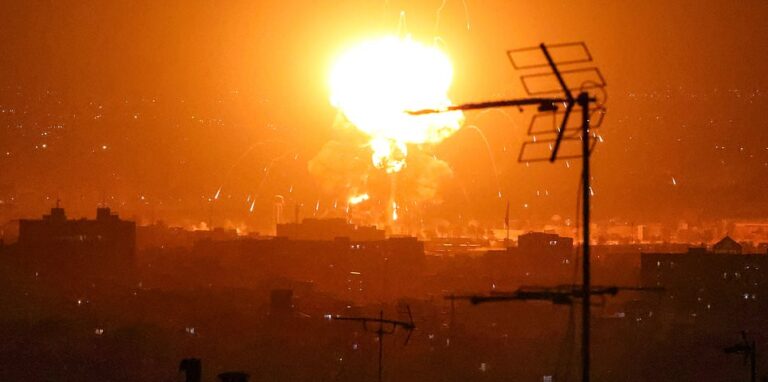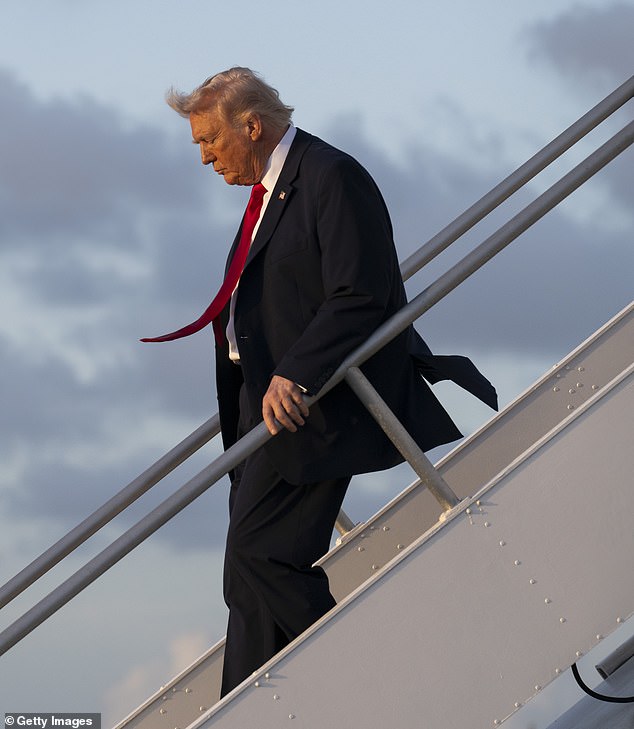


Australians have vented their frustration as petrol prices surge nationwide due to the Middle East conflict.
One Gold Coast woman said prices at her local service station jumped from $1.75 to $2.20 in three days, warning ‘it’s only gonna get worse’.
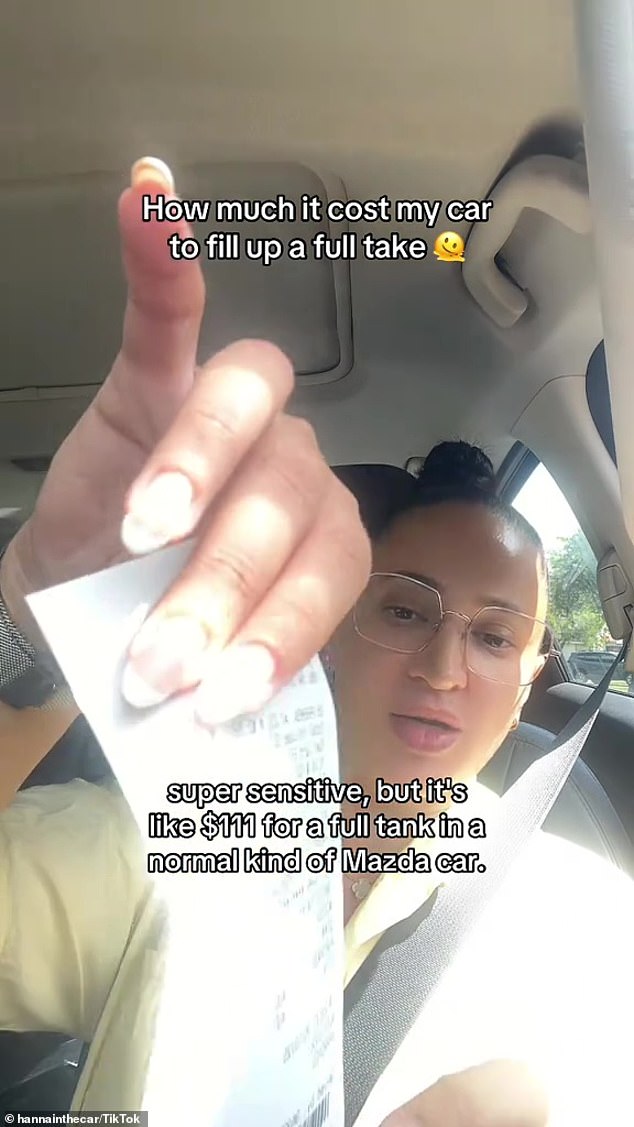
Sydney resident Hannah revealed refuelling her Mazda cost $111, up from her usual $75-$85, with unleaded at $2.40 a litre
‘I wasn’t sure if I was being super sensitive or if this is just the new normal… Fuel hike is in action,’ she said.
A Metro Petroleum in Liverpool in western Sydney was spotted charging drivers $2.99 for Unleaded 98.
NSW mechanic Cody warned families to brace for more pain, revealing just how much drivers would have to pay if $3 a litre became the norm.
He claimed a standard 60-litre tank usually cost $108 to refuel when prices were $1.80. Cody revealed it would jump to $180.
He urged motorists to cut back, plan trips, and maintain their cars.

Hanna (pictured) revealed it cost her $40 extra to fill up her car compared to normal
Regular unleaded is consistently above $2.20-$2.30 in most metro areas.
Lewisham’s Tanwar Petroleum posted $2.45 for regular unleaded on Sunday, according to NSW Government Fuel Check.
Average early March prices confirm the surge: Sydney sits at $2.09 a litre, Melbourne at $2.07, Brisbane at $2.10, with many servos well above these benchmarks as cycles peak.
Ongoing conflict in the Middle East continues to disrupt shipping through the Strait of Hormuz, one of the world’s most crucial oil supply routes.
Australia imports about 90 per cent of its liquid fuel, making local prices highly sensitive to world events.
Analysts warn prices could jump another 40c per litre in coming weeks if supply pressures intensify.
NRMA data shows more than half of Sydney stations recently charged between 217.9c and 223.9c for regular unleaded—far above usual peak levels.
The ACCC is closely monitoring retailers after NRMA and RACQ raised concerns about ‘unconscionable’ behaviour from companies exploiting public anxiety.

NSW mechanic Cody (pictured) said that it could end up costing $180 to fill up a car at $3.00
Treasurer Jim Chalmers has called for tougher oversight, writing to the ACCC on Tuesday, calling them to crack down on price gouging.
‘Service stations should not be doing the wrong thing by their customers, using the conflict in Iran and the Middle East more broadly as an excuse to gouge customers,’ Chalmers told the ABC.
Modelling from Westpac suggests average Australian drivers could soon have to pay as much as $3 a litre at the pump if the conflict continues.
If disruption is limited to Iranian production, around 4 per cent of global supply, oil prices could rise another US$25 per barrel to around US$100, Westpac modelling suggests.
But the real risk lies in the ongoing closure of the Strait of Hormuz, the narrow shipping corridor that carries around 20 per cent of the global oil trade.
Iran has effectively shut down commercial traffic through the Strait of Hormuz since Saturday, using a combination of drone strikes and explicit military threats to deter vessels, despite sustained US strikes targeting its naval assets.
At least four oil tankers have reportedly been hit, while maritime data from Lloyd’s List Intelligence shows seaborne traffic through the chokepoint plunged by roughly 80 per cent on Sunday.
Meanwhile, major maritime insurers withdrew cover for ships operating in the area, further discouraging passage.