


Powerful solar superflares, which can generate geomagnetic storms and disrupt radio communications and GPS, damage satellites and endanger astronauts and even airline passengers, just got a lot easier to predict, thanks to a new formula that’s based on half a century of X-ray observations of the sun.
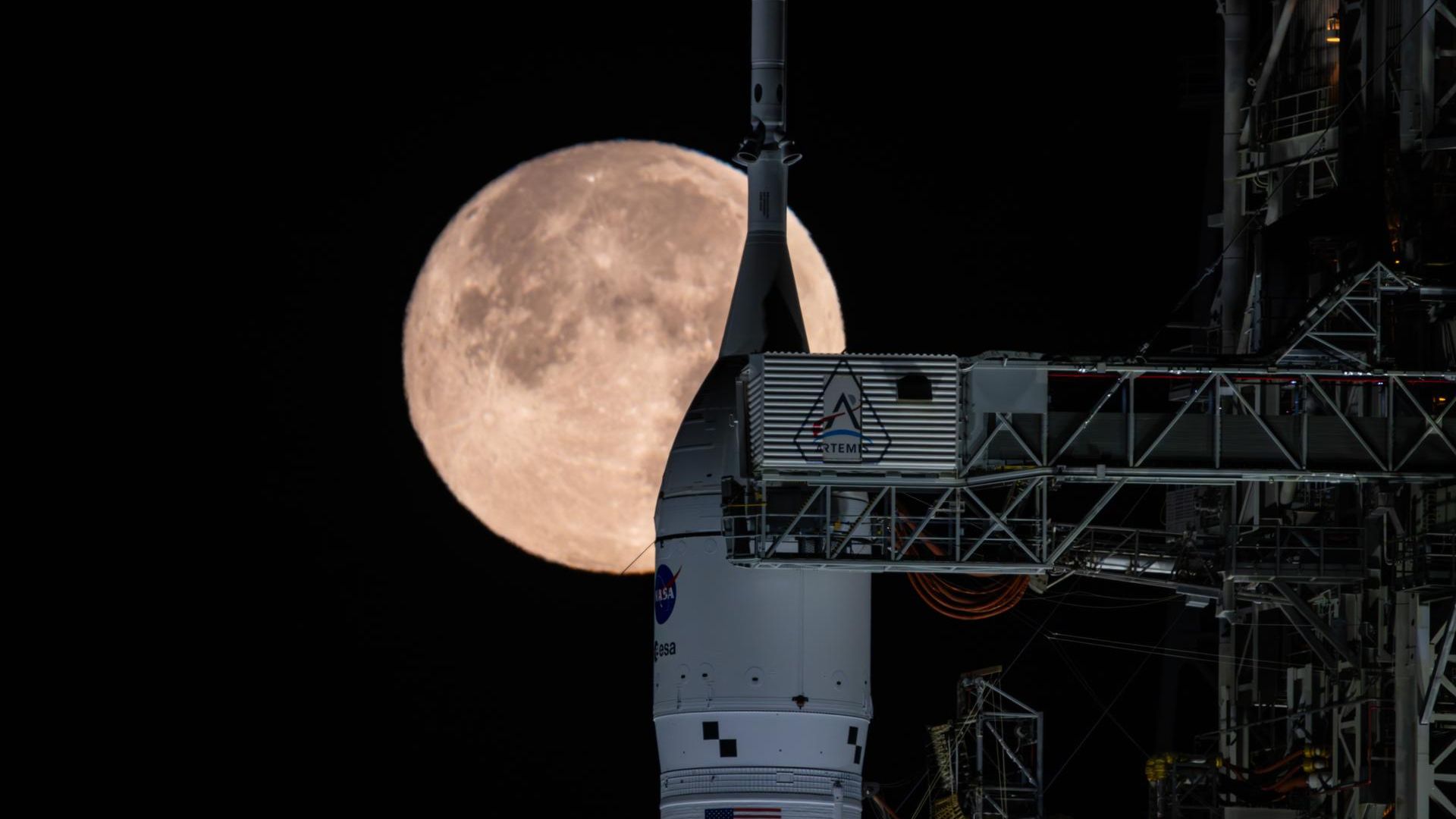
The new findings could have immediate real-world implications. NASA’s Artemis 2 astronaut mission around the moon has been pushed back to the beginning of April at the earliest to address issues with its rocket, but Victor M. Velasco Herrera of the National Autonomous University of Mexico thinks that it should be delayed even longer.

Superflares, as their name suggests, are the most powerful flares that the sun can unleash, with their radiation predominantly in the X-ray bands. However, because we don’t understand what triggers them well enough, predicting exactly when and where on the sun a superflare will occur is currently impossible.
“Traditional solar forecasting struggles with these extreme events because they happen so quickly and unpredictably,” said Velasco Herrera.
The next best thing is to look for similar characteristics in the solar environment that can lead to extended periods when the chance of a superflare occurring is greatly increased.
Velasco Herrera’s multinational team of solar physicists studied 50 years’ worth of data from the Geostationary Operational Environmental Satellites (GOES) that monitored the sun in X-rays between 1975 and 2025. They found that the timing of superflares and the regions on the sun from which they erupt correlate to the alignment of two previously unknown cycles, one with a period of 1.7 years and the other with a period of seven years. These cycles relate to the buildup of magnetic energy in certain areas.
This has given Velasco Herrera’s team the ability to forecast when peak season is for superflares. They found that we are currently in one, which began in mid-2025 and will run through to mid-2026, focused on the sun’s southern hemisphere between 5 and 25 degrees south of the solar equator.
This is why Velasco Herrera recommends delaying the Artemis 2 mission until the second half of this year. By flying to the moon, the four astronauts will be outside Earth’s protective magnetic envelope and therefore will be more vulnerable to solar storms. If they leave Earth in April, as NASA wants them to, during this period of increased superflare activity, then they will be at greater risk of extreme radiation exposure.
The next period of enhanced superflare activity after that is predicted to begin in early 2027 and run through to the middle of that year, with the hotspot predicted to be the band between 10 and 30 degrees north of the solar equator.
“Our method gives space weather operators and satellite managers one to two years of advance warning about when conditions are most dangerous,” said Velasco Herrera. “This critical lead time allows them to prepare and protect communications systems, power grids and astronaut safety.”
As it happened, the team’s forecasting ability had already been put to the test without them realizing it. In late 2025, after they had submitted their research paper for publication, new data from the European Space Agency’s Solar Orbiter mission was released describing analysis of four superflares that occurred on the opposite side of the sun to Earth in May 2024.
These superflares matched the pattern of cycles seen in the 50-year dataset that Velasco Herrera’s team uses for forecasting.
“We created our forecast without knowing about these far-side superflares,” said Velasco Herrera. “When they were discovered during our paper review process, they aligned perfectly with our predicted patterns.”
The findings promise to be a major step toward protecting astronauts, our in-space infrastructure and communication and energy network on Earth from solar storms that can buffet our planet, and also spark beautiful auroral displays.
The research was published on Feb. 13, 2026 in the Journal of Geophysical Research: Space Physics.