
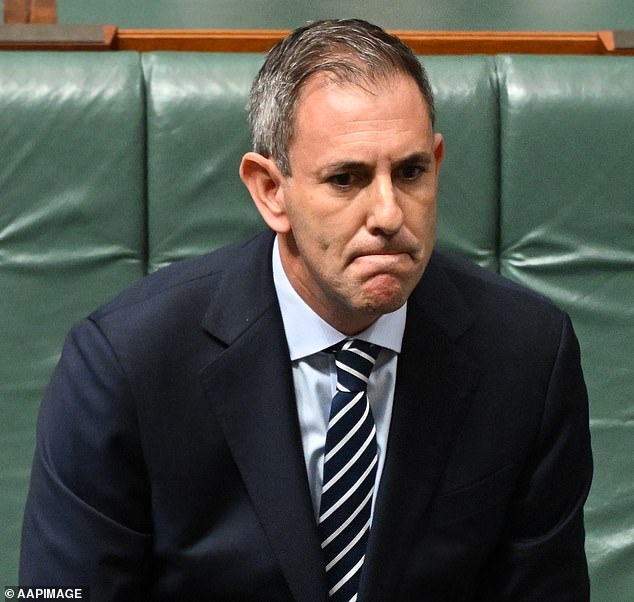
Today’s increase in the official cash rate isn’t the fault of Treasurer Jim Chalmers and Anthony Albanese. The blame for the latest uptick can be squarely placed at the feet of the conflict in the Middle East.
However, Albo and his sidekick are to blame for this being the second rate rise this year, because the first one happened courtesy of domestic factors pushing inflation too high – one of which is too much government spending.
Labor is spending more money than at any time in history, and government spending as a percentage of GDP is higher than at any time other than during the pandemic.
It’s unsustainable, funded by ballooning debt future generations will be forced to pay back, and it pushes inflation higher than it should be, eroding living standards in the process.
And don’t think this is the end of rate rises this year or perhaps even next. If inflation doesn’t start to fall, rates will keep going up – which is just another reason why the budget in May needs to clamp down hard on spending.
The RBA had hoped to let last month’s rate rise settle for a cycle or two to see how it impacted the economy and the unwanted upward inflation trajectory.
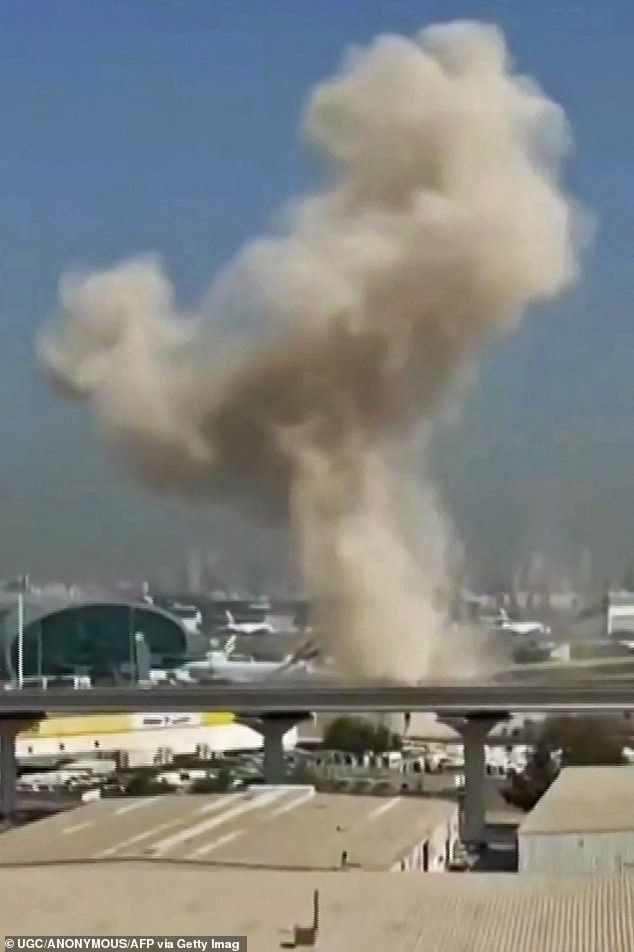
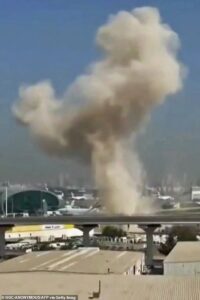
But the skyrocketing price of oil, courtesy of the conflict with Iran, took that pause for thought away.
With the threat of embedded high inflation now upon us, the RBA has declared that it’s more concerned about what that will do than it is about the threat of killing off economic growth with a higher cash rate.

Today’s increase in the official cash rate isn’t the fault of Treasurer Jim Chalmers and Anthony Albanese but the fault of the conflict in the Middle East

The skyrocketing price of oil, courtesy of the conflict with Iran , took the RBA’s pause for thought away
The latter risks a recession, but not acting to get inflation back under control can risk so much more than that.
That is the brutal trade-off central banks confront when inflation refuses to behave. And don’t forget, Chalmers bragged not that long ago that he’d slayed the inflation dragon.
Evidently not.
Once higher prices start to become entrenched, they seep into wages, business costs and consumer expectations.
Then the problem stops being a temporary shock and starts becoming a structural one.
That’s what the RBA is trying to head off, and it’s why it has acted again so soon, even at the risk of inflicting more pain on households already struggling with mortgage stress.
None of which lets the federal government off the hook. Global events may have forced the RBA’s hand this time, but Canberra helped create the conditions in which the economy was already running too hot.
When governments keep spending heavily while claiming inflation is on the way down, they make the central bank’s task harder, not easier.

Albo and his sidekick are to blame for the second rate rise this year, because the first one happened courtesy of domestic factors, like government spending, pushing inflation too high

Global events may have forced the RBA’s hand this time, but Canberra helped create the conditions in which the economy was already running too hot
The Treasurer can talk all he likes about cost‑of‑living relief served on Australians via handouts, but pumping more money into the system while inflation remains stubbornly high carries its own dangers.
The government doesn’t control oil prices or geopolitics, but it does control fiscal policy. And when that policy adds to demand at precisely the wrong time, it becomes part of the inflation story, whether ministers like it or not.