


Love it or hate it, AI features are popping up everywhere these days, whether on your phone, laptop, or TV. In Google’s case, it’s been steadily expanding AI capabilities across nearly every platform it owns, including Google TV, Android, its Pixel smartphones, and YouTube.
One of the more prominent AI additions to YouTube is a Gemini-powered tool called “Ask.” You might have used this feature before, but if you’re unfamiliar with it, here’s how it works. When you tap it, a chatbot trained on the video’s content brings up suggested questions you can choose to ask about the video, or you can ask your own. However, until now, it’s been limited to desktop and mobile devices. That’s now starting to change.
Google recently announced that it has begun testing its Ask feature, which it calls a “conversational AI tool,” on YouTube for the first time ever on smart TVs, gaming consoles, and streaming devices (via 9to5Google). The test is rolling out to a small group of users initially, but could expand to more users in the future.
How to try out the Ask feature on your TV
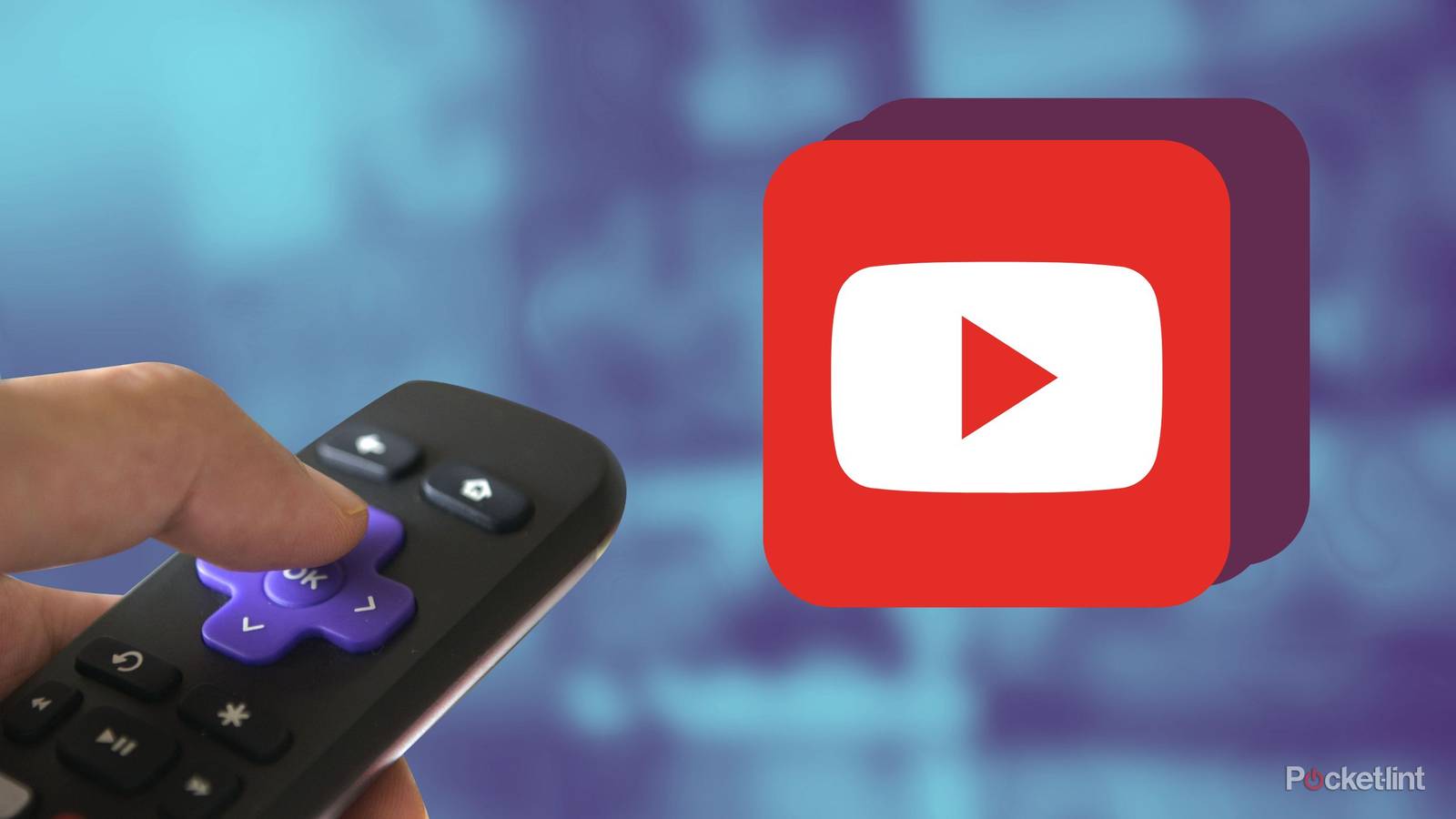
You can press the microphone button on your remote to activate the feature

If you’re curious about YouTube’s Ask feature and want to try it on your TV, the easiest way to check is to open the YouTube app and see if the option shows up while watching a video.
Once you select it, Google’s AI tool will suggest questions you can ask about the video, or you can use your TV remote’s microphone to ask your own — if your remote has one. Additionally, Google says that on remotes with a microphone button, you can even activate Ask by pressing it.
In its help page post, Google provides a couple of examples of the types of questions you can ask it while watching a video, such as “What ingredients are they using for this recipe?” or “What’s the story behind this song’s lyrics?”
What I like about it is that it includes timestamps in its answers, which is helpful because you can quickly jump to that part of the video to double-check the context for yourself.

I’ve used the Ask feature on YouTube a handful of times and found it to be mostly accurate. What I like about it is that it includes timestamps in its answers, which is helpful because you can quickly jump to that part of the video to double-check the context for yourself.
That said, most of the questions I have about a video usually get answered just by, you know, watching the video. Because of that, I’ve barely used the feature, even though it’s been around for a couple of years now on desktop and mobile. Though, in all fairness, I can see how it can be useful in some scenarios, like cooking videos, how-to guides, or educational content.
Google says it’s rolling out the Ask feature to the YouTube app on TV to a small group of users now, but if you don’t have access yet, you can try it on desktop or mobile if you’ve never used it before.