


I was watching a movie on the TV in my spare bedroom, where I don’t have my surround sound system set up. Instead, I have an old receiver paired with just two bookshelf speakers. No, it’s not nearly as immersive, but sometimes I look for simplicity in my viewing experience. Instead of having to worry about whether I’m set to the correct audio format or if my surround speakers are too loud, it’s nice to just sit down and not fiddle with anything.
With a Dolby Atmos setup, there’s a lot that can go wrong, and while that’s the case with all technology, it’s not as much of an issue when you’re not dealing with seven or more speakers. With my stereo setup, there’s no need to worry about whether I’m getting Atmos or not because my setup can’t even provide that.
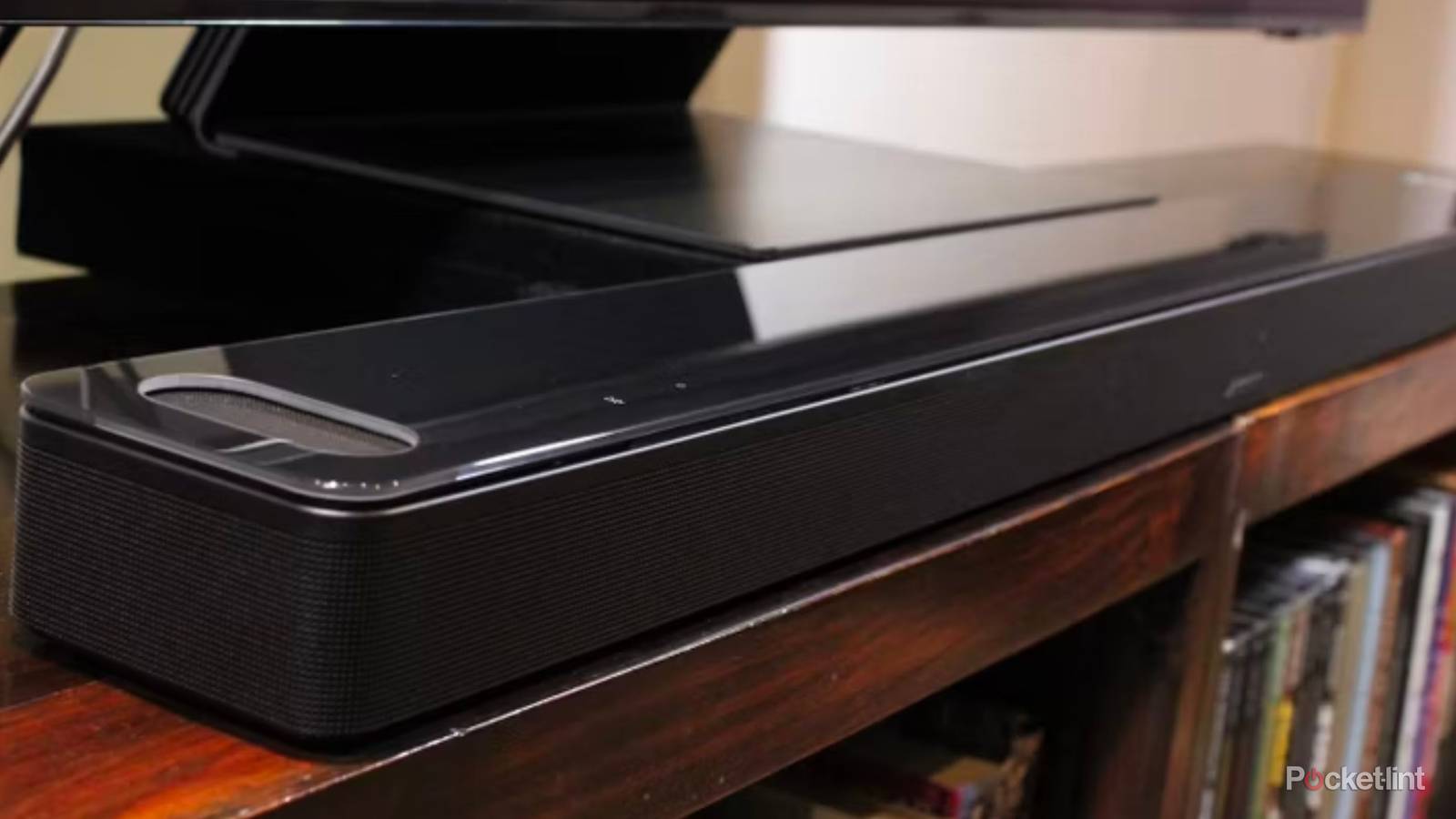
I’m quite patient with technology, but I know that I’m not like everybody. A lot of the fun for me is tinkering with things and getting the settings just right. On the other hand, many people just want to plug something in and move along with their day. I see both sides of the coin, and it finally clicked for me after using my stereo setup. People aren’t buying soundbars because they sound better than an actual stereo setup — they’re buying them because they’re convenient.

- Integrations
-
Amazon Alexa, Google Home
- Ports
-
HDMI eARC
- Colors
-
Black
It just works, and that’s a good thing
Ease of access

A soundbar is as simple as bringing it home and plugging it in. When I had one, the only thing I had to worry about was turning it on. It was a simple little device that just worked. I never had any issues, and it never had to be updated. I don’t even remember why I ended up getting rid of it — the only thing I remember about it is that it was a very cheap stereo soundbar. Nowadays, we have soundbars that boast Dolby Atmos sound, and I think they just represent good value for the majority of people. No, they don’t compare to a true Atmos system, but I don’t think people are typically looking for that.
Soundbars have a key selling point in that they’re an all-in-one device. My Dolby Atmos surround sound needs a receiver, a subwoofer, and seven speakers just to get started. That’s a big upfront investment, and there’s still room to grow if I want to. There’s a reason this stuff is meant for enthusiasts while soundbars are aimed more toward the general consumer. While soundbars aren’t really on my radar anymore, it’s very easy to see the value. Also, to be fair, they still beat the audio coming out of your TV speakers.
If you’re like me, then a soundbar might even end up being the gateway to a larger surround sound system. I certainly didn’t envision filling my room with speakers or ever grabbing a subwoofer. Part of that was because I was always renting and wanted to be mindful of my neighbors. When I got my own house, I decided to start taking my sound a bit more seriously. There are plenty of high-end soundbars to look at, but I wanted to get true Atmos sound, so I went that route. I’ve done my fair share of troubleshooting over the years, and while I’m happy with how everything has turned out, I know I wouldn’t have had much to do if I had just bought a soundbar in the first place.
For that reason, I don’t think soundbars are bad purchases as long as you’re not expecting the best of the best audio quality from them. They have limitations in that area, and while they might advertise Atmos, I don’t see how it could ever truly replicate the sound without having speakers placed in the proper positions. It’s a bit like upfiring Atmos speakers in that regard. Sure, they still sound good, but it’s a budget brand of Atmos instead of the real thing. How much that matters comes down to personal preference, but it’s not something I would seek out if I were spending my own money.
Budget comes into play, too
Cheaper is always nice

I touched on it earlier, but price is a big factor in what you’ll end up buying. In many cases, a receiver costs as much as, or even more than, a quality soundbar. That’s a tough hill to climb for a lot of people, and there’s probably a case of diminishing returns the higher up you go. A lot of people still swear they can’t tell the difference between 60 FPS and 30 FPS, and some people say 4K isn’t very different than 1080p. For those people, a soundbar is perfect because they can save money and still get a big upgrade to their audio.
With the cost of just about everything going up, it’s important to save some cash where you can. Considering a high-quality TV can easily cost over $1,000, there are a lot of decisions that have to be made after solving your picture quality concerns. A soundbar is definitely the sweet spot there, and TV audio is so bad these days that it feels like the manufacturers are banking on you addressing the audio yourself. If you went with a traditional surround sound setup, then you either have to build it out slowly — something perfectly doable — or be prepared to spend a pretty penny.
I’m still not getting a soundbar
Sticking with what I have

Now that I understand the appeal of a soundbar or a simple setup, it doesn’t mean I’m going to go out and grab one myself. I still like having the best sound I can get, and that’s something a soundbar isn’t going to provide. I would consider one for my bedroom if I decide to upgrade the audio there, but that’s still far down the line for me. Another cool thing about soundbars is that they don’t take up nearly as much space as surround sound or even stereo speakers do. That makes them perfect for bedrooms or apartment living.
There was a time in the past when I would’ve been far more open to adding a soundbar to my home. The main problem now is that I know what surround sound sounds like, so I don’t feel a desire to grab a soundbar. I’m fine with troubleshooting problems, but I won’t lie, I’ll definitely be watching more movies on my basic setup after having my eyes opened. No, it’s still not as simple as how people have it with a soundbar, but it’s the closest experience I have in my home.