


Near the end of last year, Apple released its latest OS updates, including iOS 26, macOS 26, and iPadOS 26. While these updates notably lacked some of the long-promised new Apple Intelligence and Siri features — which were first announced in 2024 but later delayed — one thing that immediately caught people’s attention was Liquid Glass, Apple’s biggest OS redesign in years.
The main focal point of Liquid Glass is right in the name: the glass element. It adds a glass-like visual effect to many parts of the user interface, including app icons, the search bar, buttons, widgets, and more. Naturally, while some people liked the new glass look Apple rolled out across its device ecosystem, others weren’t fans and quickly pointed out issues, such as readability.
And while some users hoped Apple might go back to the drawing board and try something different, it appears that Liquid Glass will stay for the foreseeable future.
According to Bloomberg’s Mark Gurman, Apple currently has no plans to scrap Liquid Glass, and that upcoming versions like iOS 27 and macOS 27 aren’t expected to introduce any major design changes. Additionally, there’s no sign the company is working on another design overhaul on the same scale as Liquid Glass either.
That said, just because Apple may not be planning any major design changes for iOS over the next few years doesn’t mean Liquid Glass won’t continue to evolve. Apple has already introduced a few tweaks in recent iOS updates to help users tone down the effect, and it’s possible another huge change could be coming with iOS 27.

- Brand
-
Apple
- SoC
-
A19
- Display
-
6.3-inch 2622 x 1206 pixel resolution Super Retina XDR
- Storage
-
256GB, 512GB
iOS 27 might include a new slider for Liquid Glass
This could help address some of its major criticisms

Gurman reports that during the development of iOS 26, one of Apple’s ideas was a system-wide slider to control the intensity of Liquid Glass.
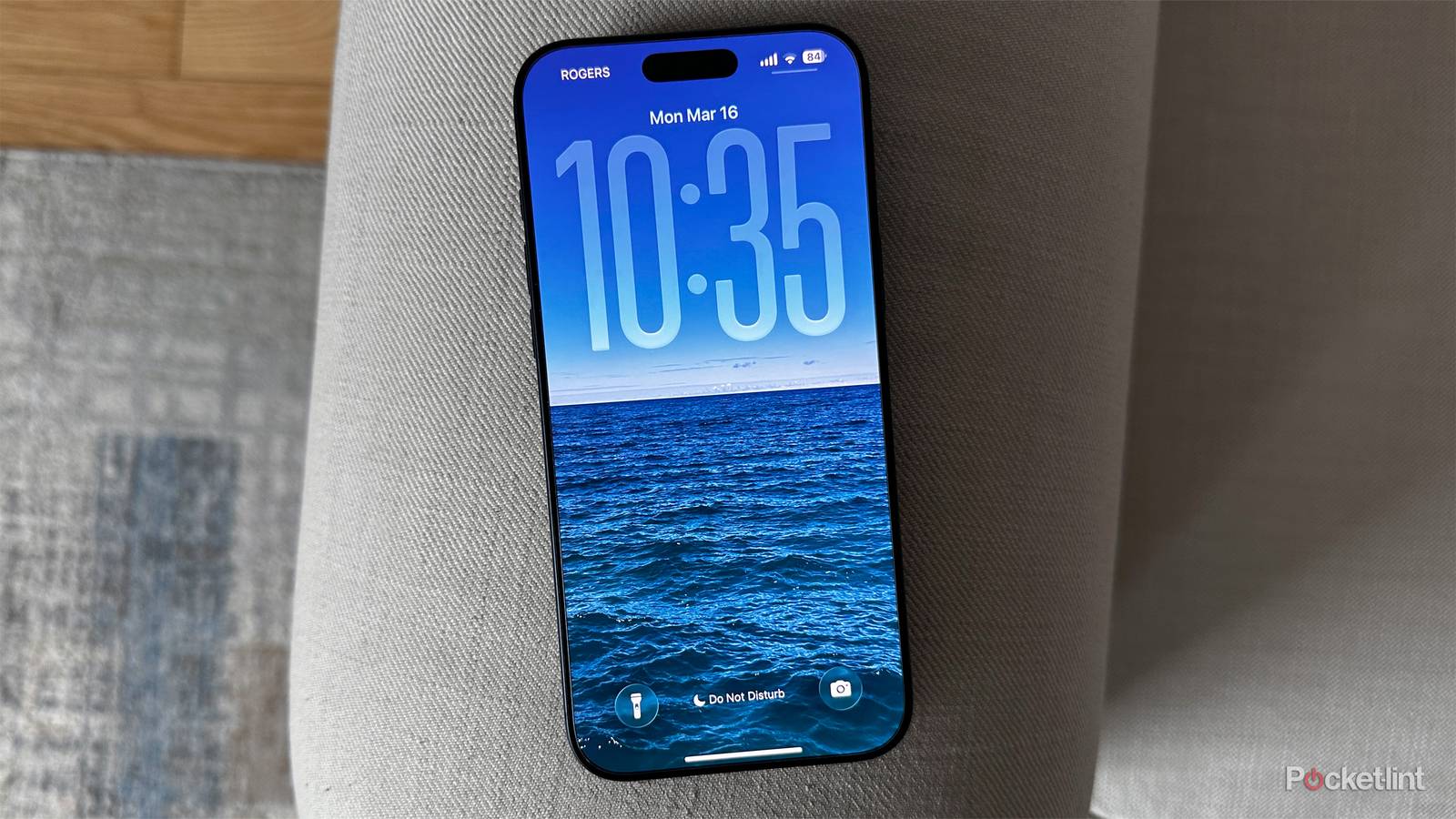
However, Apple reportedly faced some “engineering challenges” in implementing it across the entire interface. Ultimately, the company only managed to introduce the slider for the lock screen clock. The problems apparently arose from how the slider interacted with elements like “app folders, the home screen, and navigation bars.” Although the system-wide Liquid Glass slider didn’t make it into iOS 26, there’s still a chance it might arrive with iOS 27.
Nothing is final yet, but Gurman speculates that if Apple manages to get the slider working in time for iOS 27, it could shift the conversation around Liquid Glass. To me, this definitely seems like it could help address some of its biggest criticisms, such as readability and the lack of an easy way to adjust its transparency. It could also be seen as Apple admitting that Liquid Glass went a bit too far in some areas.
…if Apple can smooth out some of the rough edges, I think it will go a long way to making a lot more people happy with Liquid Glass.
Personally, since I first started using Liquid Glass last summer, I’ve been a fan of it. Is it perfect? No, absolutely not. But it has a unique look and feel that I’ve enjoyed using, and if Apple can smooth out some of the rough edges and admit some of its mistakes, I think it will go a long way to making a lot more people happy with Liquid Glass. And perhaps a slider is simply the answer to that if Apple can overcome the challenges it has faced in implementing it in time for iOS 27.
That said, Apple has already made a couple of changes to Liquid Glass in response to some of the criticism and feedback it has received since the launch of iOS 26, including adding a new settings option in iOS 26.1 to give Liquid Glass a tinted effect to help improve legibility, and in the upcoming iOS 26.4 update, there’s a new option called “Reduce Bright Effects,” which helps eliminate some of the bright highlights that can occur while using it.