



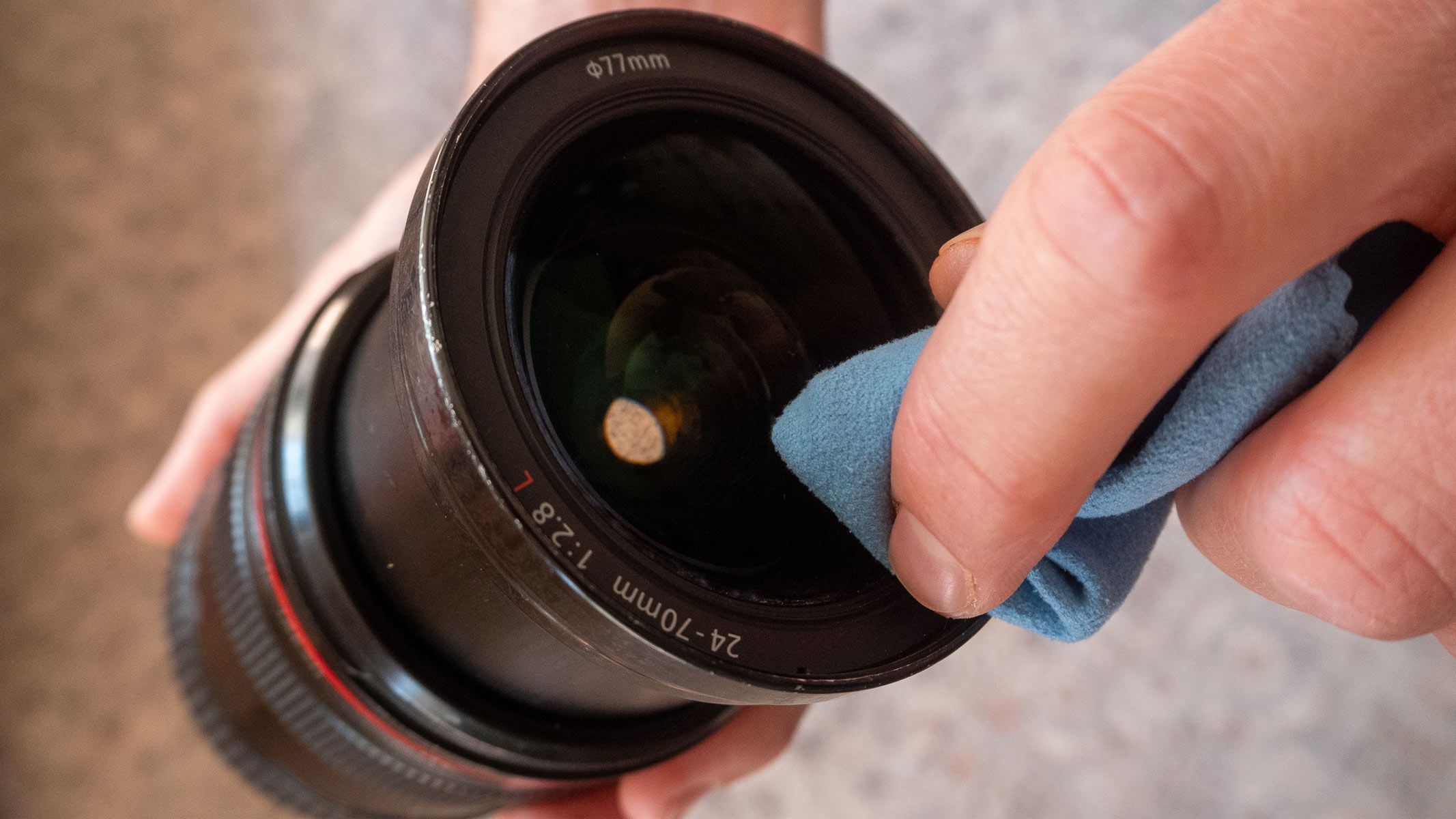
Keeping your camera lens clean is essential for capturing sharp, high-quality images. Especially if you’re traveling, dust, smudges and fingerprints can easily get on your lens and degrade the image clarity, even when you have one of the best lenses for astrophotography. This will eventually lead to blurry or hazy photos if the lens is not treated properly. Cleaning your lens is relatively straightforward, but it’s important to use the correct techniques.
In this guide, we will discuss the best methods for cleaning your camera lens safely, focusing on tools such as air puffers, brushes and cleaning solutions. We’ll also look at the right techniques and which parts of the lens require cleaning, as it’s important to ensure that the whole lens — and not just the glass portions — is clear of dust and debris. We’ve also got a handy guide to cleaning your camera’s image sensor safely, too.
1. Use an air puffer first

One of the safest and most effective tools for cleaning a camera lens is an air puffer, also known as a blower. This device allows you to remove loose dust and debris without physically touching the lens surface, thereby reducing the risk of scratches. Many air puffers also come with a brush attachment, so you can sweep dust clear of the glass surface. But if you’re cleaning the plastic and metal casing around the glass too, it’s best to use a different brush so you don’t risk scratching the lens itself.
Article continues below
To use the air puffer, hold the camera lens at an angle to allow dust to fall away naturally. Then, use short, controlled bursts of air to dislodge any loose particles. Use the air blower, instead of blowing air from your mouth, as saliva and moisture can create unnecessary smudges. If you plan to apply a cleaning solution, it’s best to use an air puffer first to prevent debris from being rubbed into the glass.
The Giottos Rocket Air Blaster and the VSGO Air Blower are two good air blowers. Both are compact and portable, so they’re great for travel photography.
2. Brush away debris

If an air puffer does not remove all debris on the first try, a lens brush is the next best option. Brushes designed specifically for camera lenses have ultrasoft bristles to gently lift dust and particles without scratching the glass. It’s important to choose the right brush; natural bristles are softer and more effective at picking up fine dust, so even though they’re slightly more expensive, I would opt for natural bristles if possible.
Retractable bristles are also almost always preferred. Most lens cleaning kits include a small lever for retracting the brush to keep it clean while it’s not in use. Before you use a lens brush, ensure that it is clean. Gently sweep it across the lens in a circular motion. Avoid pressing too hard, as excessive pressure can push debris into the glass. It’s also worth using a different brush for lenses than you do for camera sensors, to avoid cross-contamination.
One good option is the LensPen NLP-1, which features a retractable brush on one end and a cleaning tip on the other. Alternatively, I recommend the Koolehaoda Soft Lens Brush, which is made with natural goat hair for ultrasoft cleaning.
3. Apply cleaning solutions

For stubborn smudges, oils or fingerprints, the best approach is to use a lens cleaning solution paired with a microfiber cloth or lens cleaning tissue. Ideally, choose an alcohol-free formula, as alcohol-based solutions can strip protective coatings from the lens. Look for an ammonia-free solution, because anything that’s too strong or that contains harsh chemicals can degrade lens coatings over time. If you need a quick solution while traveling, for example, premoistened wipes are a convenient solution, as long as they’re kept airtight when not in use so they retain their moisture content.
If you’re using a solution that comes in a small bottle, apply a few drops to a microfiber cloth — never directly to the lens. Using gentle, circular motions, clean the center of the lens and work outward. Avoid excessive moisture, as liquid can seep into the lens housing. Finally, use a dry section of the cloth to remove any remaining streaks.
It’s also worth looking for a reliable lens brand when you’re buying your solution; many lens manufacturers offer their own version. The lens cleaning spray from Zeiss — a trusted brand known for high-quality optics — is a good option. Another decent choice is Eclipse Optic Cleaning Fluid, which can be used for both lenses and camera sensors.
4. Which parts of the lens do you clean?

Although the front glass element is the primary area that needs cleaning, other parts of the lens can also accumulate dust and grime. Front and rear lens elements should be cleaned regularly. Make sure to always use front and back lens caps to minimize dirt accumulation when the lenses are not in use.
For the lens barrel, focus and zoom rings, use a dry microfiber cloth to wipe down the exterior. There’s no need to apply any solution, as this can seep through the gaps and get into the electronics of the lens. You can use a soft brush to remove dust from crevices around the buttons and rings.
Additionally, use a dry cloth to clean the metal mount that connects to the camera body, to ensure a secure connection. Again, avoid using liquid cleaners near the electronic contacts.
5. The best lens cleaning services
If your lens has persistent smudges, fungus on the inside of the lens or internal dust, professional cleaning may be necessary. Many reputable services can deep-clean lenses as well as restore them, so these services could be good for restoring old film lenses or lenses that you’ve kept hidden away for many years.
I highly recommend KEH Camera, which also offers full camera and maintenance packages. Lensrentals.com is another good option that offers equipment rental and lots of online advice about the best way to care for your equipment.
6. Summary
Although it’s a relatively routine job, keeping your camera lens clean without scratching it requires careful handling and the right tools. By using an air puffer, a soft-bristled brush and safe cleaning solutions, you will ensure that your lens remains in pristine condition. As with any tool, good care and maintenance will prolong the life of a lens and keep it in excellent working order. To get the best results, it’s also worth considering periodic professional cleaning, which can help maintain gear for long-term use.