NASA / Lillian Gipson
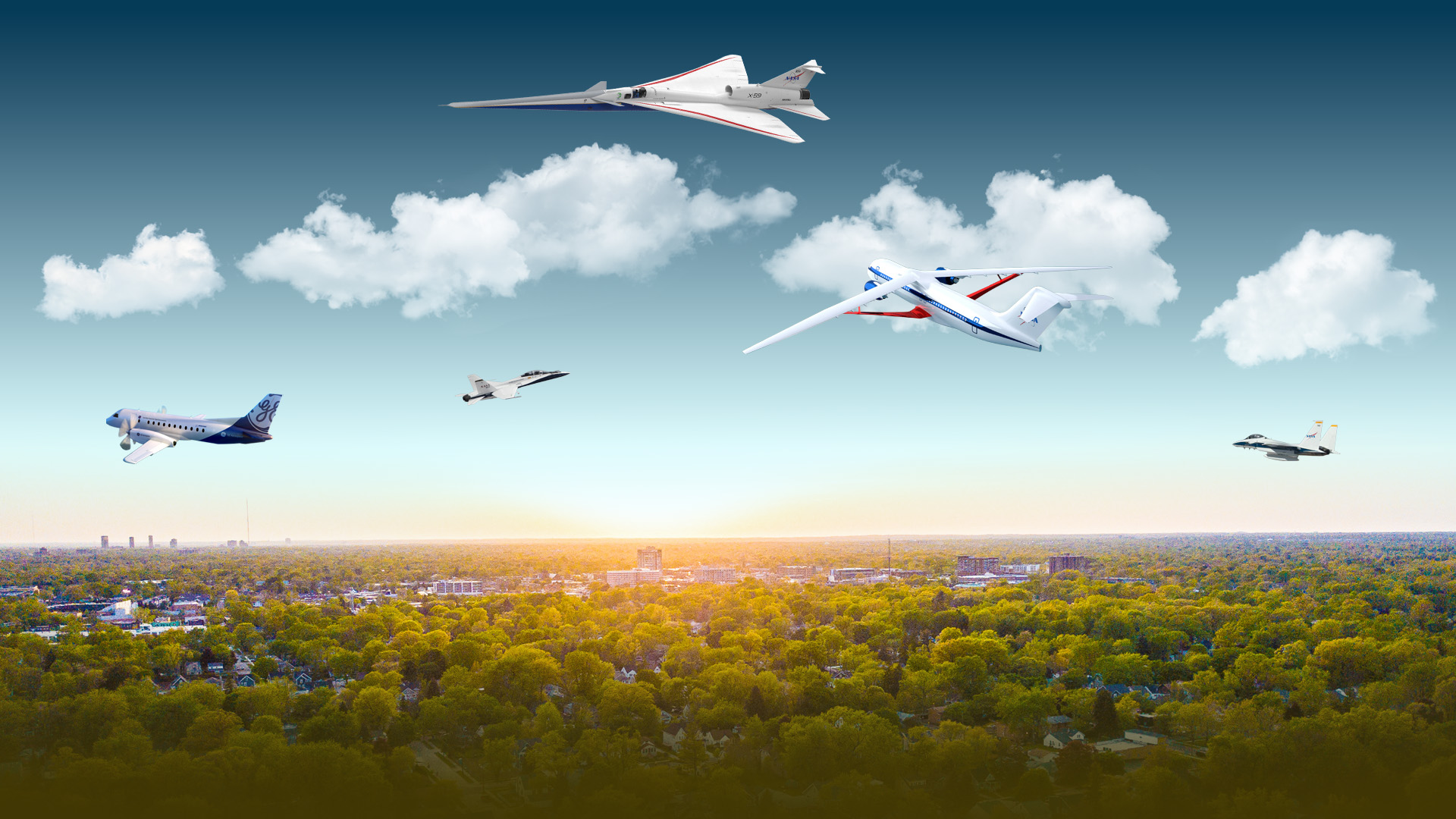
The Integrated Aviation Systems Program (IASP) conducts research and integrated, systems-level demonstrations in a flight environment to prove, mature and transition them into future aircraft and systems. The program aims to determine feasibility and accelerate development of less mature technologies, and for more mature technologies, execute highly complex flight demonstrations to prove and accelerate technology transition to industry.
IASP Projects
The program’s portfolio currently consists of these projects: Subsonic Flight Demonstrator, Electrified Powertrain Flight Demonstration, Low Boom Flight Demonstrator, and Flight Demonstrations and Capabilities.
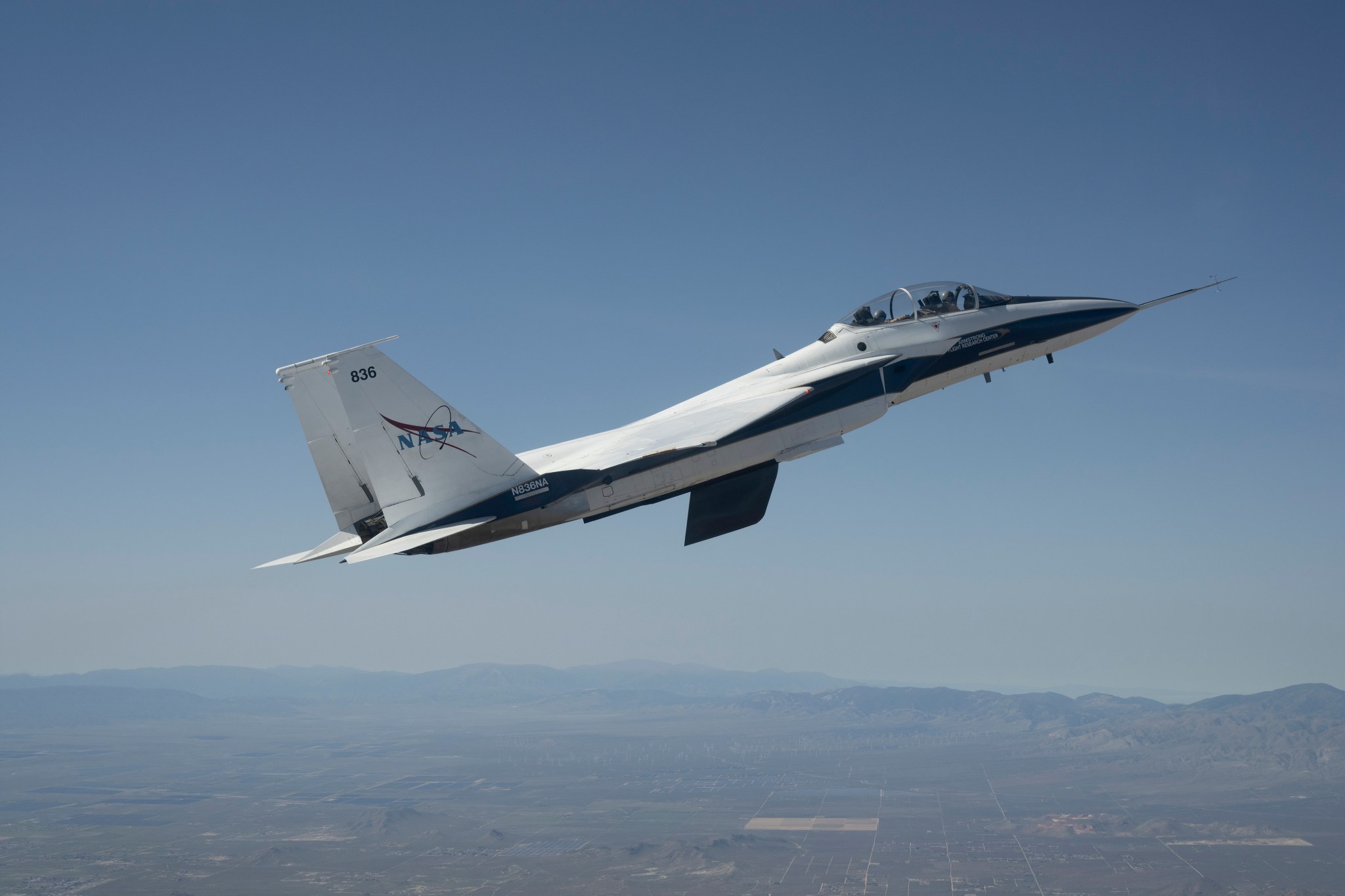
NASA’s Crossflow Attenuated Natural Laminar Flow (CATNLF) scale-model wing flies for the first time on a NASA F-15 research jet during a test flight from NASA’s Armstrong Flight Research Center in Edwards, California. The 75-minute flight confirmed the aircraft could maneuver safely with the approximately 3-foot-tall test article mounted beneath it. NASA will continue flight tests to collect data that validates the CATNLF design and its potential to improve laminar flow, reducing drag and lowering fuel costs for future commercial aircraft.
NASA/Carla Thomas