


A driver has blasted AI traffic cameras as an ‘outrageous overreach’ after being fined $550 because his daughter’s seatbelt slipped for a ‘split second’ while she was tying her hair.
Nick Dekker was headed to a beach and driving along Kwinana Freeway, in Western Australia, in January.
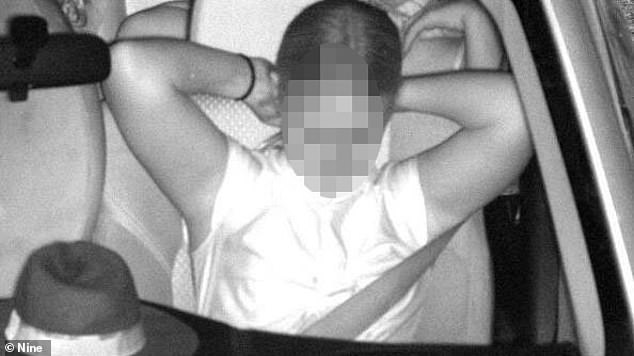
His 12-year-old daughter was sitting in the passenger seat and began to tie her hair, with the seatbelt moving momentarily from above her shoulder to underneath.
Mr Dekker was hit with the massive fine, while his partner lost four demerit points because the vehicle was registered to her.
‘A lot happens in a car full of kids; it’s a pretty active place to be,’ he told 9News.
‘I didn’t even notice that my daughter was doing her hair or that the seatbelt had slipped behind. It was just that split second.’
Mr Dekker felt the cameras were being too nit-picky and needed to be more lenient.
‘They are now looking into our cars with their cameras and it’s a fine line,’ he said.

A driver has blasted AI-driven seatbelt cameras after being fined when his daughter wore her seatbelt incorrectly for a brief moment while fixing her hair
‘Kids turn around all the time in the front seat. You try to tell them not to, but what are you going to do, bolt them down so they don’t wriggle?’
That wasn’t the only instance where the new cameras were criticised, with another parent saying she was at risk of losing her licence after her daughter with ADHD shifted her seatbelt mid-journey while she was driving from Dunsborough to Perth.
Leesa Taylor, who lost eight demerit points, said the technology needed to account for neurodivergent children.
The system was introduced in Western Australia in early 2025 and was said to be the most advanced technology in the country.
‘Six mobile safety camera trailers will be introduced to the state over the next six months, along with upgrades to fixed cameras at two sites on the Kwinana Freeway,’ the WA Government said in a statement at the time.
‘These new safety cameras will be the most advanced in the country and have the capability to detect multiple offences simultaneously, including speeding, illegal mobile phone use, and seatbelt offences.’
There was a six-month trial period during which drivers received a caution notice if caught, informing them about ‘the capabilities of the new technology and giving them an opportunity to change their dangerous driving behaviour’ before enforcement began in November.
Since then, more than 75,000 infringements have been issued for seatbelt and mobile phone offences.

Mr Dekker felt the cameras were being too nit-picky and needed to be more lenient
A Road Safety Commission spokesman said the technology was effective because it had led to a significant drop in offences.
‘As predicted, the cameras have revealed new insights into driver and passenger behaviour that hasn’t been captured on scale before,’ they said.
‘The cameras are proving to be extremely effective and efficient as a road safety tool in helping to make WA roads safer.’
Commissioner Adrian Warner said there were improvements to be made.
‘I can very much understand where [parents are] coming from,’ he said.
‘The volume of appeals and questions that we’re getting to the helpline is increased.’
The Commission understands children and adults have different physical standards, so it is working on bridging the gap between them.