



A Sydney mother has been rocked by a staggering private health insurance hike, with her HCF premium set to soar almost 23 per cent next month – a jump that dwarfs the federal government’s approved industry average rise of 4.4 per cent.
Jessica, a mother of three, told 2GB’s Ben Fordham her monthly premium will surge from $671 to $825, an increase she says is 10 times what the government recommended.
She said she was shocked to discover the rise equated to 22.85 per cent.
‘I absolutely got the shock of my life,’ she said during a call to Sydney talkback station 2GB.
‘I mean, $825 a month. That is nearly as much as what we pay for rent.’
Last month the federal government approved an average private health insurance premium increase of 4.41 per cent from April 1, the biggest annual rise since 2017.
But this figure is not a limit on how much each person’s premium can rise.
Instead, it represents the average increase allowed for each insurer across all of its policies. This means health funds can lift some premiums by much more while others rise only slightly, or in some cases even fall.

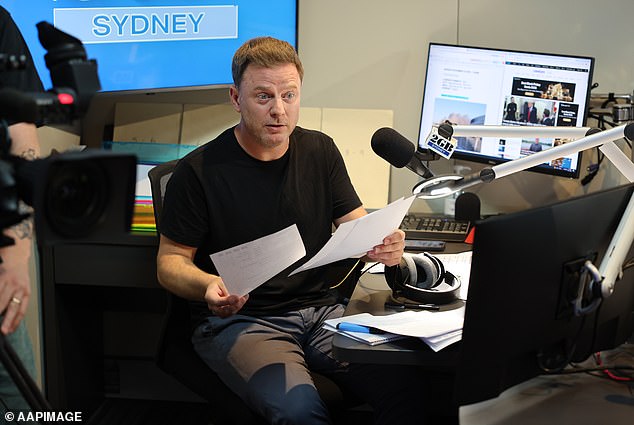
Jessica, a mother of three, told 2GB’s Ben Fordham (pictured) her monthly premium will surge to $825, an increase she says is 10 times what the government recommended
For example, one customer’s premium might rise by just 2 per cent, while another’s could jump by 15 or 20 per cent.
As long as the insurer’s overall increases, across all of its customers, work out to an average of 4.41 per cent, the changes still meet government approval.
Health funds have argued that soaring hospital costs, workforce shortages and inflation in medical claims are placing upward pressure on premiums.
Fordham urged Jessica to contact HCF immediately to challenge the increase.
‘What’s the point of having a guide of 2 to 3 per cent when you get the bill in the mail and it’s 22.85 per cent higher?’ he said.
But Jessica said her increase comes as families are being hit from all sides, including steep rises across other insurance categories.
‘We’ve got two cars that are insured, both of the cars in the last few years have gone up significantly,’ she said.

Health Minister Mark Butler (pictured) last month approved an average 4.41 per cent premium increase from April 1, up from 3.73 per cent the year before
‘Every year I call the car insurance provider and they say they can’t do anything, so we just keep having to put up our excess in order to control the increases around our car insurance.’
She questioned how insurers can justify such sharp year‑on‑year rises.
‘I don’t understand how insurance providers can get away with 22 per cent year-on-year increases like that’s completely unsustainable, and it makes you understand why so many people are dropping out of private health insurance.’
More than 15 million Australians hold some form of private health cover. Each year insurers submit price‑rise proposals to the federal government, which are reviewed by the Department of Health before being signed off by the Health Minister.
Health Minister Mark Butler said this year’s increases reflected the rising cost of delivering healthcare, including higher wages and hospital expenses.
‘The government understands the pressure health insurance premium changes put on Australians, and decisions about premiums must put consumers first,’ he said.
In the 12 months to September, insurers paid out more than $26 billion in hospital and medical benefits.
HCF chief operating officer Kevin Keane said the fund had taken a careful and consistent approach to managing premiums in the context of rising costs across the health system, while delivering strong value and dependable care for members.
‘We recognise the pressure that premium changes can place on household budgets, particularly at a time when many Australians are managing rising living costs,’ he said.
‘The Health Minister noted that the cost of providing medical and hospital services rose by around five per cent last financial year, driven by higher hospital costs, workforce pressures and increasing demand for more intensive care.
‘Those pressures continue to be felt across the private health system.’