



Transcript:
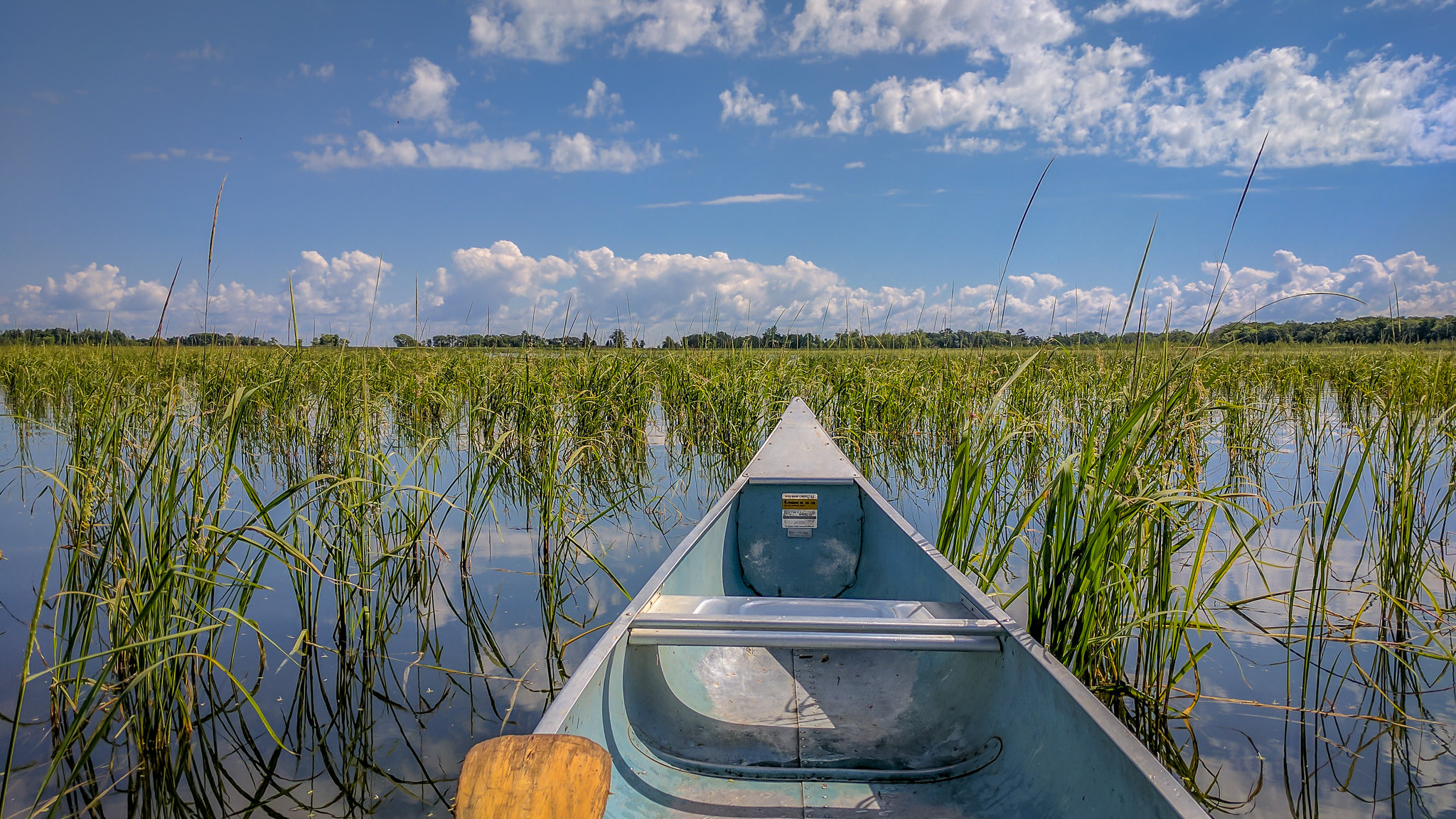
Every year, Leanna Goose canoes into the shallow bays near her Minnesota home to harvest wild rice – or manoomin, as the region’s Indigenous Anishinaabe people call it.
Goose: “It’s something that we have been doing for generations, and … it’s really central to who we are as Anishinaabe here in Minnesota.”
Goose is a member of the Leech Lake Band of Ojibwe. She recalls the rice bed where her parents took her as a child.
Goose: “I remember that rice bed being so abundant and expansive that, like, I lost my parents on it … like, you couldn’t even see across it.”
Now, she says, it’s less than half the size it once was.
Manoomin is threatened by invasive species, disease, development, and climate change. Research shows that rice beds tend to be sparser in years with less winter ice and more spring rain.
Goose: “We’re seeing loss of manoomin or wild rice not only here in Minnesota but across the region.”
So she and others are pushing for legislation that recognizes manoomin’s cultural significance and puts stricter regulations on boating and water pollution in areas where they harm wild rice – to help protect this sacred food.
Reporting credit: Sarah Kennedy/ChavoBart Digital Media