



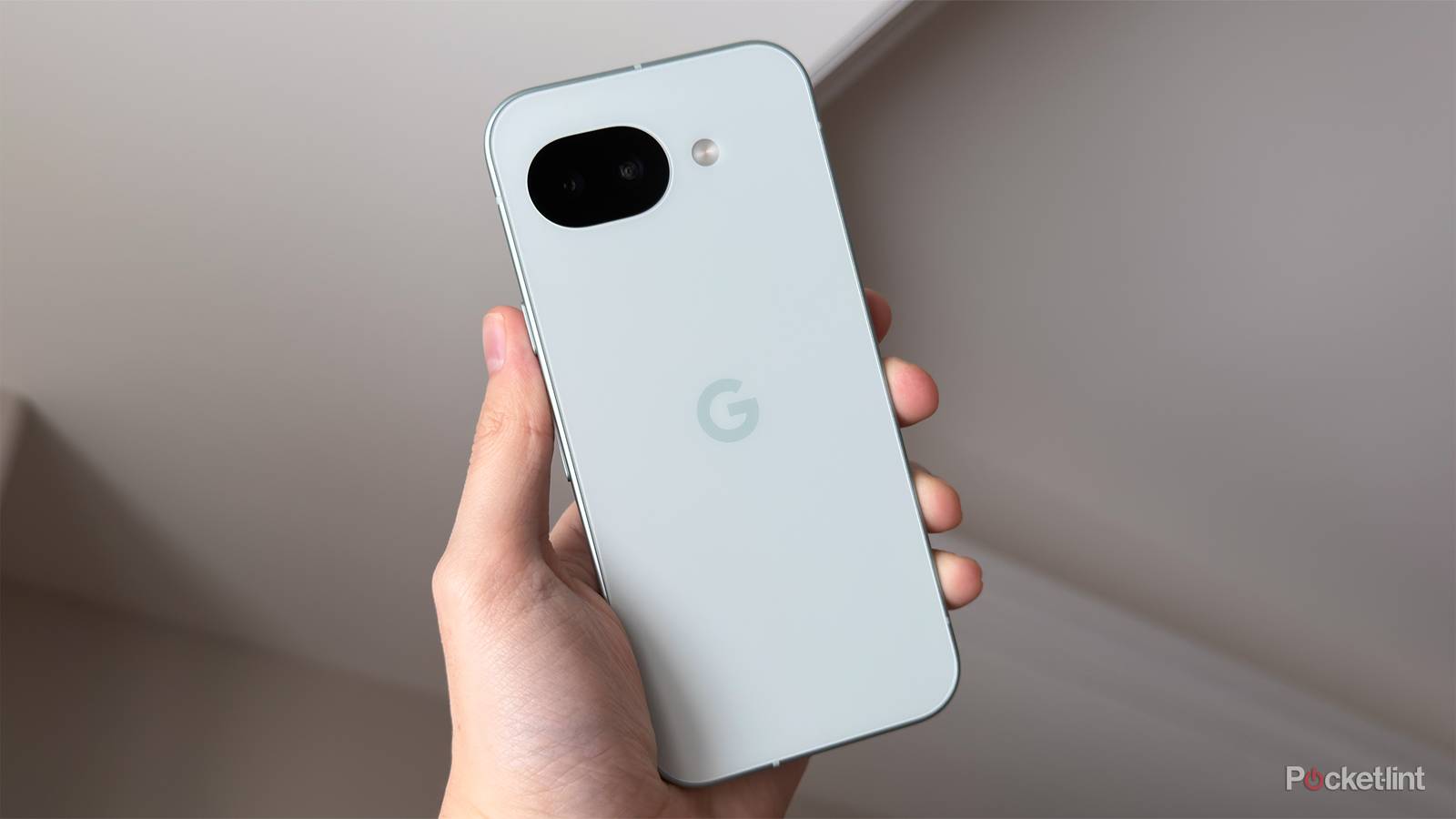
When Google announced the Pixel 10a last month, many people’s first reaction, including mine, was that it was essentially a carbon copy of the Pixel 9a, with a few minor changes. After using the phone for the past couple of weeks, I can confirm that’s definitely the case, but also, it’s not a reason to write off the Pixel 10a entirely. Despite its similarities to the Pixel 9a, I’ve come to really appreciate what the Pixel 10a offers, especially for people with older A-series phones.
For starters, the Pixel 10a is a more affordable version of Google’s flagship phone, the Pixel 10. It has a less powerful Tensor G4 chipset and features a smaller camera array than the Pixel 10, with a 48-megapixel wide-angle lens and a 13-megapixel ultra-wide lens. It’s got a beautiful 6.3-inch AMOLED display, with an adaptive refresh rate of 120Hz. And most importantly, price-wise, it comes in at $500. That’s $300 cheaper than the Pixel 10, and $100 cheaper than Apple’s new iPhone 17e.
If you’re new to Google’s Pixel lineup or have an older Android phone and are considering an upgrade, the Pixel 10a offers a compelling, well-rounded experience that’s tough to beat at $500.


4/5
- Brand
-
Google
- SoC
-
Tensor G4
- Display
-
6.3-inch 1080 x 2424 pixel resolution pOLED
- RAM
-
8GB
The Pixel 10a is a mid-range Android smartphone from Google with a Tensor G4 processor, a 6.3-inch OLED display panel, and a 5,100mAh battery capacity.
- Same $500 price
- Premium design
- Beautiful 120Hz OLED display
- No Pixelsnap
- Thick bezels
- No Tensor G5 chipset
Price, availability, and specs
The Google Pixel 10a is available now, starting at $500 for the 128GB model and $600 for the 256GB model. The Pixel 10a comes in four colors: lavender, berry, fog, and obsidian. The color shown in this review is fog, a light green shade I’ve really grown fond of.
It features a 6.3-inch Actua pOLED display with a 1080 x 2424-pixel resolution, an adaptive refresh rate of up to 120Hz, 2000 nits of HDR brightness, and 3,000 nits of peak brightness. It also has Corning Gorilla Glass 7i protecting it.
On the camera front, the Pixel 10a has a 13-megapixel front-facing selfie camera and, on the back, a 48-megapixel wide-angle lens alongside a 13-megapixel ultrawide lens.
Internally, the Pixel 10a is powered by a Tensor G4 chipset, the same as in the Pixel 9a, with 8GB of RAM and a 5,100mAh battery. Google also guarantees seven years of operating system and security updates for the Pixel 10a, matching the support offered for the Pixel 10 series.
- Brand
-
Google
- SoC
-
Tensor G4
- Display
-
6.3-inch 1080 x 2424 pixel resolution pOLED
- RAM
-
8GB
- Storage
-
128GB/256GB
- Battery
-
5,100mAh
- Ports
-
USB-C
- Operating System
-
Android 16
- Front camera
-
f/2.2 13-megapixel
- Rear camera
-
f/1.7 48-megapixel wide, f/2.2 13-megapixel ultrawide
- IP Rating
-
IP68
- Price
-
$500
What I like about the Pixel 10a
A beautiful design paired with smooth performance

The first thing I have to acknowledge about the Pixel 10a is just how beautiful the design is. It’s very simple, but it looks stunning, and feels great to hold. The phone only weighs 6.5oz (0.41lbs), and despite its $500 price tag, feels exceptionally premium. The phone itself has a matte composite back that feels really smooth and a satin aluminum frame, both of which I found surprisingly fingerprint resistant.
The display is the same 6.3-inch OLED that the Pixel 9a has, but Google has slightly improved it for the Pixel 10a with a 10 percent brighter screen, reaching 2000 nits of HDR brightness and 3,000 nits at peak brightness. It also features an exceptionally smooth 120Hz adaptive refresh rate, a clear advantage over the iPhone 17e, which remains stuck at 60Hz. Overall, browsing the web, watching videos, sending emails, and doomscrolling all look great on the display and pop.
The camera is one area where the Pixel 10a differs from the Pixel 9a, but only in design. The most noticeable design change that the Pixel 9a had over the Pixel 8a was the removal of the camera bar, replaced by a small camera bump. On the Pixel 10a, Google has retained the same camera look as the Pixel 9a but has eliminated the bump, making the camera flush with the back of the phone. This allows you to place the phone flat on any surface without wobbling, which I found pretty neat and different from other smartphones. Coming from the Pixel 8a, I’ve really come to like the camera design on the Pixel 10a, and I think its simplicity enhances the phone’s overall sleek aesthetic.
In terms of the camera’s performance, it’s nothing earth-shattering, but I thought the 48-megapixel wide lens and the 13-megapixel ultrawide took quite detailed photos for a $500 phone, and the 13-megapixel front selfie camera definitely makes me look better than I actually do.

I didn’t encounter any performance issues with the Pixel 10a either, and it handled a ton of apps open at once without a problem. Admittedly, I don’t game on any smartphone I use, so I can’t speak to the Pixel 10a’s performance there, but the overall Android 16 software experience was excellent and smooth. Battery life is also great, and like the Pixel 9a, the Pixel 10a easily lasts all day, and then some. I found myself plugging it in about every day and a half. Additionally, the Pixel 10a supports 30W wired charging, a nice boost over the Pixel 9a’s 23W.
What I didn’t like about the Pixel 10a
Pixelsnap is missing

The main thing that bothers me about the Pixel 10a is the lack of magnets. When the Pixel 10 series debuted last summer, one of the biggest upgrades over the Pixel 9 series was the addition of magnets, which Google calls Pixelsnap. This means the phones now support Qi2 magnetic charging and magnetic accessories like chargers, cases, wallets, and more, similar to Apple’s MagSafe. I really wish Google had added Pixelsnap to the Pixel 10a to keep it consistent across the entire Pixel 10 lineup, and it would also make wireless charging much easier.
Next up, I want to talk about the Pixel 10a’s screen again. While I do think its OLED display looks great, the bezels on it are still quite thick. With Google not really changing much internally with the Pixel 10a this year, it would’ve been nice to see it make the bezels on the screen much thinner, similar to the Pixel 10. I know this isn’t something that will bother everyone, but it did distract me slightly, and I think the phone would look way better if those bezels were just a bit smaller.
Finally, I want to revisit the chipset. While my experience with performance was smooth, I can’t help but feel disappointed that the Pixel 10a doesn’t feature the same Tensor G5 chipset as the Pixel 10. I understand this was likely due to cost reasons, but Google’s A-series phones usually share the same chipset as their flagship counterparts, like the Pixel 8a with the same Tensor 3 as the Pixel 8, and the Pixel 9a with the same Tensor G4 as the Pixel 9. It would have been nice to see the Pixel 10a equipped with the Tensor G5, which I believe could have added way more longevity to the device.
Should you buy the Pixel 10a?
If you’re looking for a powerful mid-range handset, it’s hard to beat

The Pixel 10a is definitely one of the best mid-range smartphones you can buy right now. Yes, compared to the Pixel 9a, it only has a few small differences, but if you already own a Pixel 9a, you’re probably not looking to buy the Pixel 10a anyway.
If you have an older Pixel A-series device, like a Pixel 6a, 7a, or 8a, and you’re thinking about an upgrade, the Pixel 10a series is a great choice. It offers a premium design and feel, smooth performance, strong cameras, and impressive battery life that’s hard to beat.
Although it would have been nice to see Google upgrade the phone a bit more this year, it’s still a solid device overall, and in a world where prices keep rising, the fact that it has the same $500 price tag as last year is refreshing.
This device was provided to Pocket-lint by Google.
- Brand
-
Google
- SoC
-
Tensor G4
- Display
-
6.3-inch 1080 x 2424 pixel resolution pOLED
- RAM
-
8GB
The Pixel 10a is a mid-range Android smartphone from Google with a Tensor G4 processor, a 6.3-inch OLED display panel, and a 5,100mAh battery capacity.