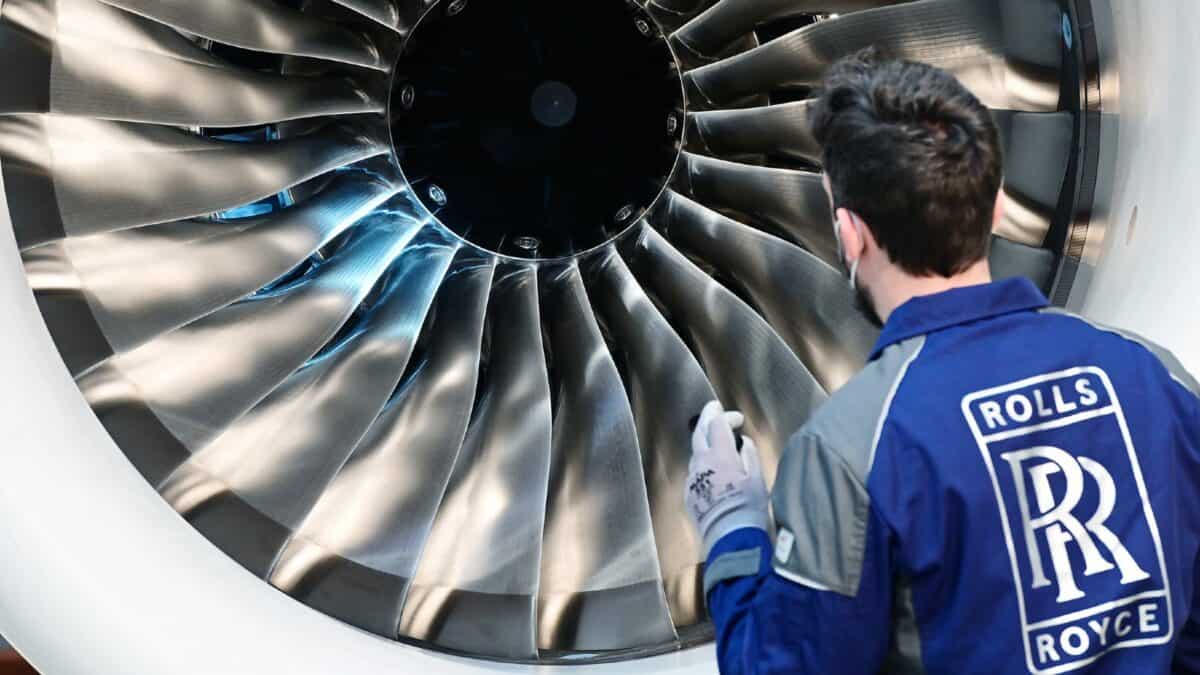
The turnaround in Rolls-Royce (LSE: RR) shares over the past few years has been incredible. Hitting an all-time high today (26 February), the Rolls-Royce share price has soared 1,179% over the past five years. Success leaves clues and I think the reversal of fortunes at the aeronautical engineer can be helpful for someone hunting for other UK shares that could potentially experience a dramatic turnaround.
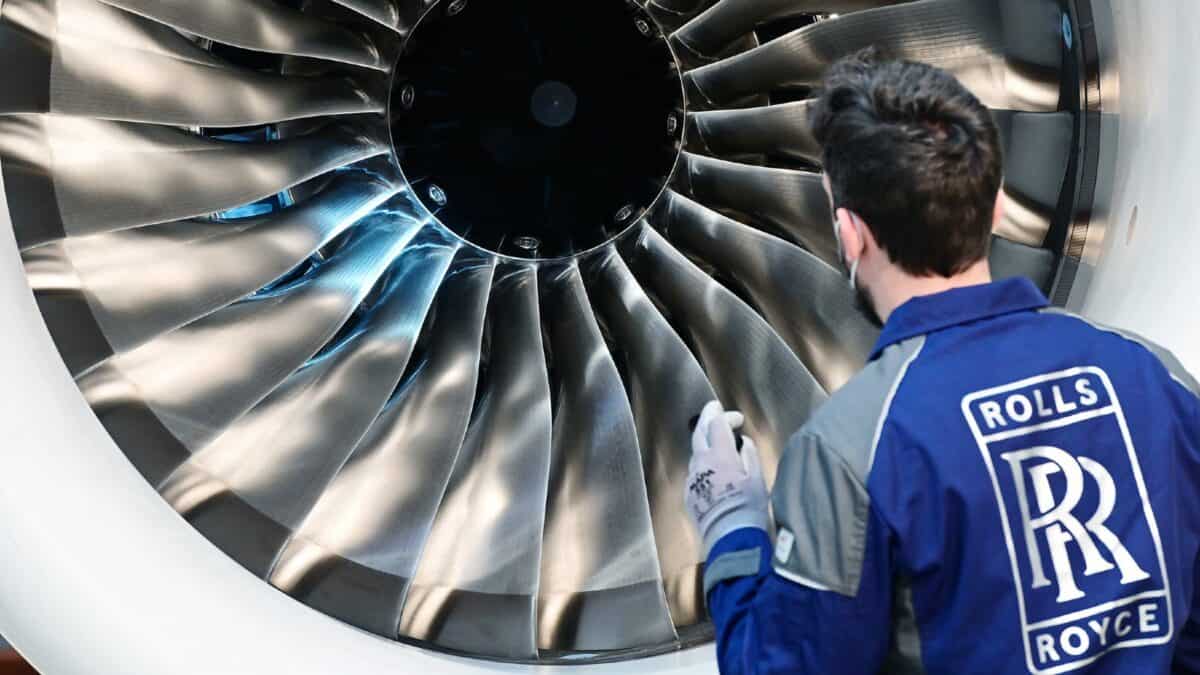
Image source: Rolls-Royce plc
A strong enough business can ride temporary challenges
The pandemic years were tough ones for Rolls-Royce, as the number of hours its civil aviation engines were being used fell dramatically.
But the large installed base of engines meant that the company had a platform for getting back on its feet once civil aviation demand picked up again.
Sometimes a share looks cheap, but a permanent shift in its business has fundamentally changed its prospect for future profitability. Such a situation can be a value trap.
Compare that to a situation where a temporary challenge has knocked a company down, but its underlying business has the ability to bounce back once things get back to normal. For example, in Rolls-Royce’s case that was once the pandemic ended and civil aviation roared back to life.
A healthy balance sheet can be a make-or-break factor
In the moment, of course, how long that might take can be uncertain. It may even be uncertain if it will happen at all. Telling the difference between a temporary setback and structural shift may be easy after the event but it can be difficult or even impossible in the moment.
An example right now? Alcohol sales.
Will UK shares like Diageo bounce back in years to come as sales declines in some product categories reverse? Or is that a permanent shift in the market dynamics? For now we can make educated guesses but nobody yet knows the answer for sure.
Crucially, even a temporary setback can become a permanent, fatal, one if it lasts longer than a company’s ability to stay funded.
It is no coincidence that Rolls-Royce focused heavily on raising cash during the pandemic to bolster its balance sheet.
If a company is already heavily indebted, it can be much harder for it to survive a prolonged downturn than if it is flush with cash, especially if that downturn coincides with credit markets seizing up as happened in 2008.
Looking for sizeable businesses with a wide moat
Tough times can sort the wheat from the chaff.
In general, even when the economy is humming, I like investing in businesses that have what billionaire Warren Buffett calls a “moat”. That basically means a competitive advantage that can help keep rivals at bay.
Rolls-Royce’s proprietary engine technology and its deep technical expertise help give it a deep moat.
Plus it is a large operation. During tough times, scale can help a company survive as it can be easier to attract attention and finance as a big company than as a minnow.
That helps explain why, when looking for value shares I think might come roaring back, I try to figure out what sort of moat they have that could help their business over the long term.