A top girls’ private school has become the latest to announce closure following Labour’s controversial tax raid on the sector.
Alderley Edge School for Girls in Cheshire will close this July, citing ‘unprecedented cost pressures including the introduction of VAT on school fees’.
The school, which caters for 400 girls aged two to 18, is the alma mater of former Tory special advisor Charlotte Owen, who was the youngest person to be made a life peer at age 30.
It was founded in 1999, following the merger of two other schools, one dating back to 1876.
Fees are currently £19,461 per year at its senior school, including more than £3,000 in VAT.
A letter to parents about the move published by the Manchester Evening News said that as well as the VAT, other contributory factors included ‘the removal of business rates relief, higher employer national insurance contributions and rising costs’.

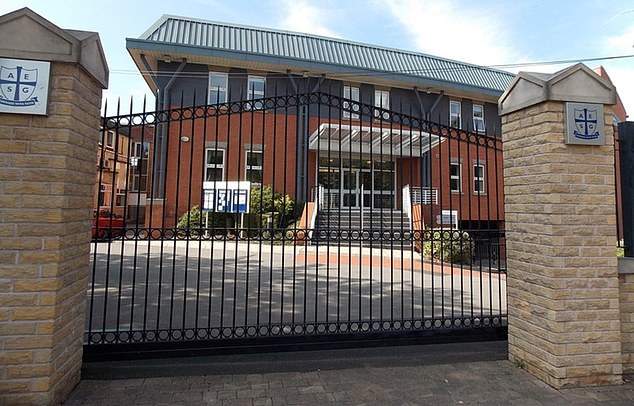
A top girls’ private school has become the latest to announce closure following Labour’s controversial tax raid on the sector (pictured: Alderley Edge School for Girls)

The school, which caters for 400 girls aged two to 18, is the alma mater of former Tory special advisor Charlotte Owen (pictured), who was the youngest person to be made a life peer at age 30
It also said there has been a falling birth rate locally, reducing demand.
In an announcement posted online, the school said: ‘It is with deep sadness that we announce that the Board of Governors is proposing to close Alderley Edge School for Girls at the end of the current academic year in July 2026.
‘This is an immensely difficult message for us to share, and we recognise the sadness, shock and uncertainty it will bring to our pupils, families and staff. This comes after exhaustive efforts over recent years to secure the school’s future amidst major financial pressures, a significant decline in pupil numbers, and substantial sector wide challenges.’
It said there will now be a consultation on how staff and families can be supported through the closure.
‘We know this news will be profoundly upsetting for our community, and we are committed to guiding families and staff through this period with compassion and clarity,’ it added.
‘We will continue to update and support our community over the coming weeks and throughout this process.’
More than 100 independent schools have closed since the introduction of VAT at the rate of 20 per cent from January last year.
One parent said online: ‘My daughter is in lower sixth here, she will be half way through A levels when they close.
‘Most parents are hard-working professionals that have made life sacrifices to be here. Devastated.’
Another said: ‘Our daughter has been there since she was two and is now in Year 9 and is devastated. This really was and is the most wonderful, nurturing school with an exceptional ethos. Parents that send their girls there are hard-working and make sacrifices to give their girls the best start in life. It’s an extremely sad time for all affected.’
The school, which is part of the Girls’ Schools Association, is understood to have considered closing just the prep school and sixth form but it would not have produced enough cost savings.
It comes after experts predicted an ‘even worse’ financial year in 2026 for private schools due to a ‘compounding crisis’ led by Labour’s VAT on fees.
Landwood Group, which advises the independent sector on restructures, said heads are expecting further drops in pupil numbers when they get their enrolment numbers at Easter.
The chartered surveyors’ firm said the number of deposits schools receive from new joiners before the Easter break will be the ‘canary in the coalmine’ for the financial pain to come.
In addition, families already at schools will have to give notice by Easter if they want to pull their children out this autumn.
Landwood is coaching heads to prepare for a worst-case scenario of a 30 per cent drop in enrolments to make sure their budgets are robust.
It believes dozens more private schools are at risk of going under this year.
Labour has said its tax on school fees, which was a manifesto pledge, is needed to pay for public sector improvements, including 6,500 new teachers for schools.
However critics have accused ministers of waging a ‘class war’ and questioned how much of a difference the measure will really make to public finances.