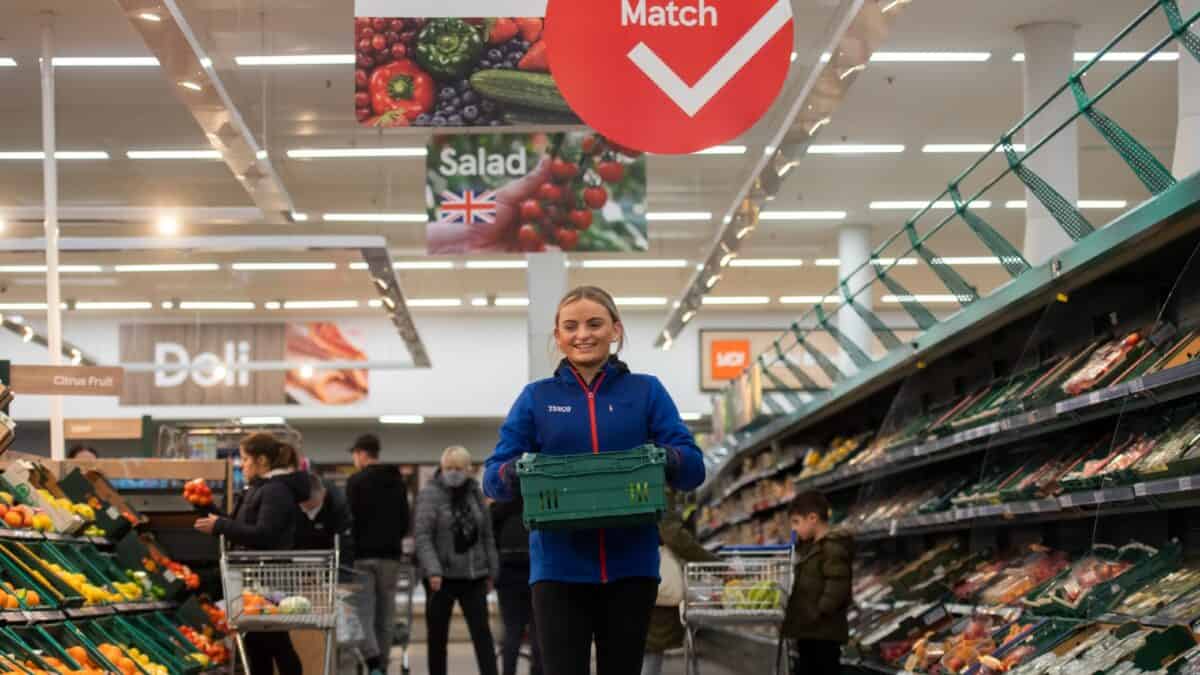
Investors who added Tesco (LSE: TSCO) to their shopping basket a few years ago could now be dancing in the aisles. Tesco shares are up 125% in the past five years.
Not only that, but this week they hit a new 15-year high, getting back to levels last seen in 2011.
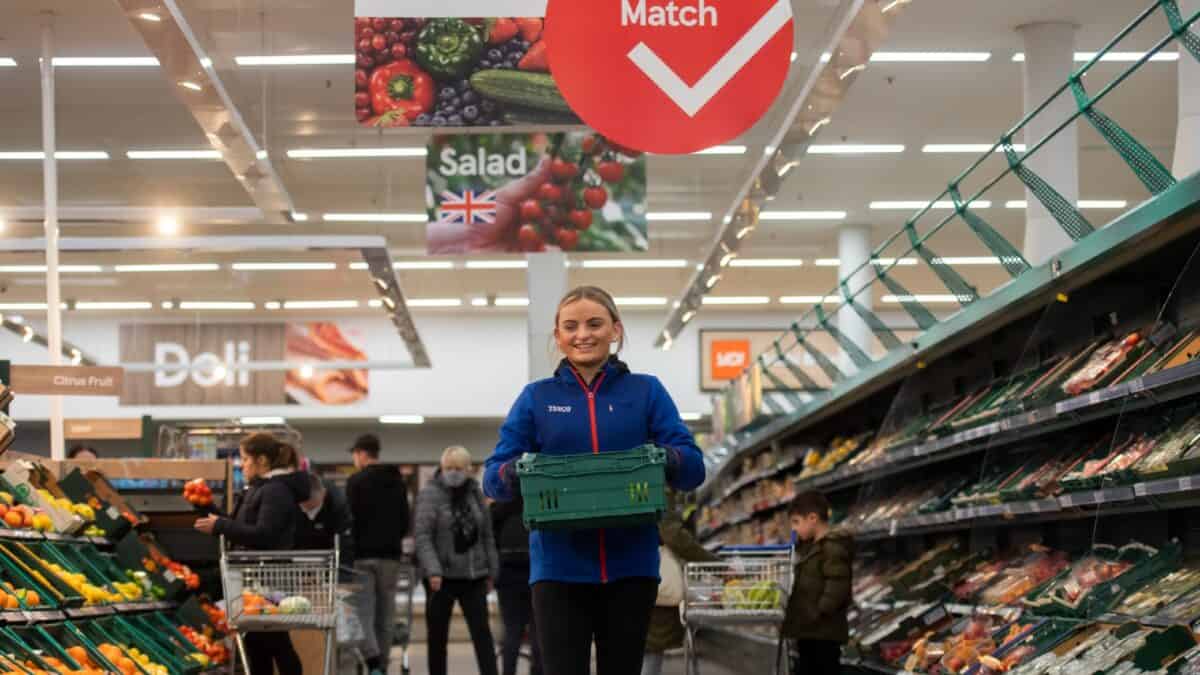
Image source: Tesco plc
A market leader, evolving with the times
Tesco has changed a lot since 2011. It has reined in its international business, selling off its once large Asian operations and returning funds to shareholders.
After a long since resolved accounting scandal in 2014, Tesco had to rebuild credibility with the City and also prove that its long-term success reflected business performance, not creative presentation of its numbers.
It has successfully done that.
Crucially, Tesco has hung onto its position as the nation’s largest grocer by some distance. This was accomplished despite an evolving retail landscape, with the rise of rivals like Aldi and Lidl as well as growth in digital shopping.
Its size gives it economies of scale that in turn can help it maintain competitive pricing. That remains a key part of its value proposition for shoppers.
Is the share price rise justified?
Still, this is a competitive but mature market. It is unusual (though by no means unheard of) for a market leader in a mature market with structurally low profit margins to more than double in value in five years.
At the interim point in Tesco’s current financial year, diluted earnings per share were 14.2p. Five years earlier they were 10.7p.
While that 33% growth is impressive, it does not help explain why the share price has soared by 125% over five years.
That growth means that the supermarket now trades for 22 times earnings.
To me that looks high given the company’s limited growth prospects. In a mature market, growth will come only from the likely modest ongoing expansion in market size or else taking market share from rivals. As the existing market leader, that would be hard for Tesco to do.
Tesco could also try to grow revenues and profits by raising prices but given how price-sensitive the grocery market currently is, I think it would struggle to do that without losing sales volumes.
I won’t be buying
Why, then, is the Tesco share price doing so well?
I reckon many investors see it as a defensive pick thanks to the resilient nature of grocery demand.
A lot of investors also like how well run the company is. I see merit in such a view. From its brand and large estate of shops to its loyalty programme and market-leading position, there is a lot to like about Tesco that I think could help the business keep performing well.
But with limited growth opportunities, brutal price competition that is likely to remain the norm, and a long-term trend towards smaller profit margins in UK grocery retail, the Tesco share price is too high for my tastes.
Even the 2.8% dividend yield is only modestly tempting, as it is actually slightly below the FTSE 100 average.
So, with the Tesco share price riding high, I will not be investing.