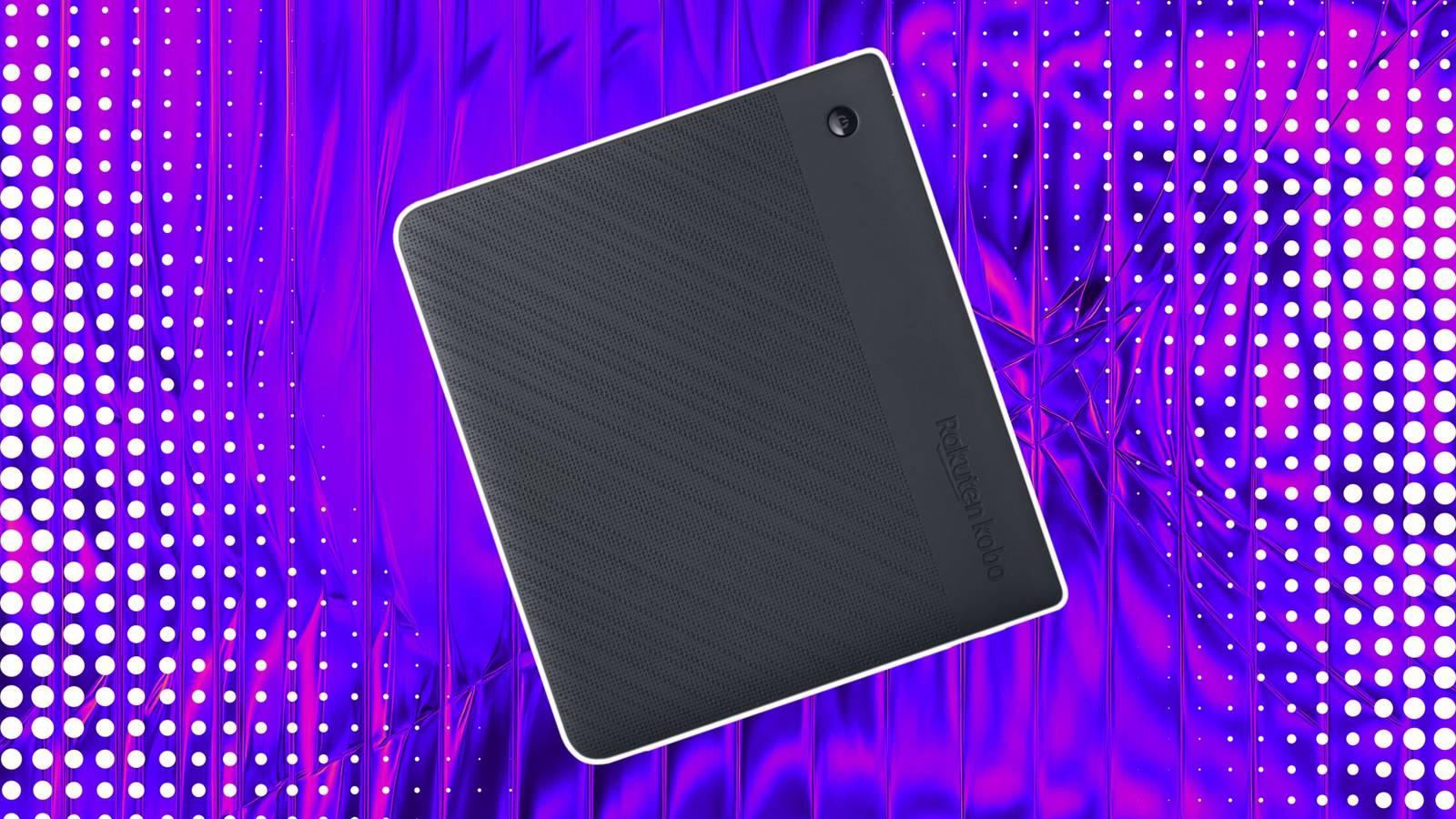
If you’ve been itching to get your hands on Kobo’s 8-inch e-reader, your luck might’ve run out by now. Readers around the world have seen an “out of sock” message on the Kobo Sage product page since mid-2025 (per Good e-Reader), and the company hasn’t given any indication that more are on the way.
Not that this is any tragedy, though. The second that the Kobo Sage hit the shelves in 2021, many reviews and owner reports pointed to a similar conclusion: it wasn’t a good e-reader, and it had a lot of deal-breaking issues. From battery life to inconsistent buttons, the Kobo Sage was fighting an uphill battle from the start. Here’s why I won’t mourn the e-reader’s short-lived run.
The Kobo Sage is the perfect example of how a premium e-reader can totally miss the mark.
What is the Kobo Sage?
And why it should stay in the grave

Generally, the Kobo Sage could’ve been a hit. It had an 8-inch E Ink Carta 1200 touchscreen, flush display, and 300 ppi, which is par for the course on premium e-readers. When it comes to eye strain, you can adjust the front light’s brightness and color temperature (warmth). But, the 8-inch display is big, especially if you were upgrading from a 6- or 7-inch screen. For graphic novel fans, it’s a worthy update; but for some traditional e-book readers, it starts pushing too big to hold comfortably with one hand (especially compared to my Kindle Paperwhite).
Inside, Kobo fitted the Sage with a 1.8 GHz quad-core processor, 32GB of storage, and 512MB of RAM. If that sounded impressive, the 1,200 mAh battery will bring you back down to earth. Between the display and beefier internals, the main complaint about this model was its battery life going down the drain. Compared to other popular industry models like the much cheaper Kindle and Kindle Paperwhite, it looks rough.
What the Kobo Sage showed major promise in was stylus support and physical page-turn buttons. But Kindle Oasis yearners, don’t get jealous quite yet — many users report that button responses are inconsistent, and that the plastic mechanisms feel much cheaper than the device’s premium promise.
Which brings me to the final, fatal blow: the price. All pros and cons considered, the device sold for about $270 (and is still currently listed as so in the US) — which is hard to justify given its dreadful battery life. Stylus support is wonderful, but unless you’re a dedicated annotator or constantly using the device to mark up documents, it won’t save you from a dead battery or pages that won’t turn.
The Kobo Sage is the perfect example of how a premium e-reader can totally miss the mark. It wanted to be a note-taking productivity tool and a physical page-turner’s dream, but disappointing battery life and cheap-feeling mechanisms push it out of ‘premium’ territory without docking any dollar signs. It was almost great, and now it’s going to be no more — good riddance.