A California startup will operate its first astronaut mission next year, if all goes according to plan.
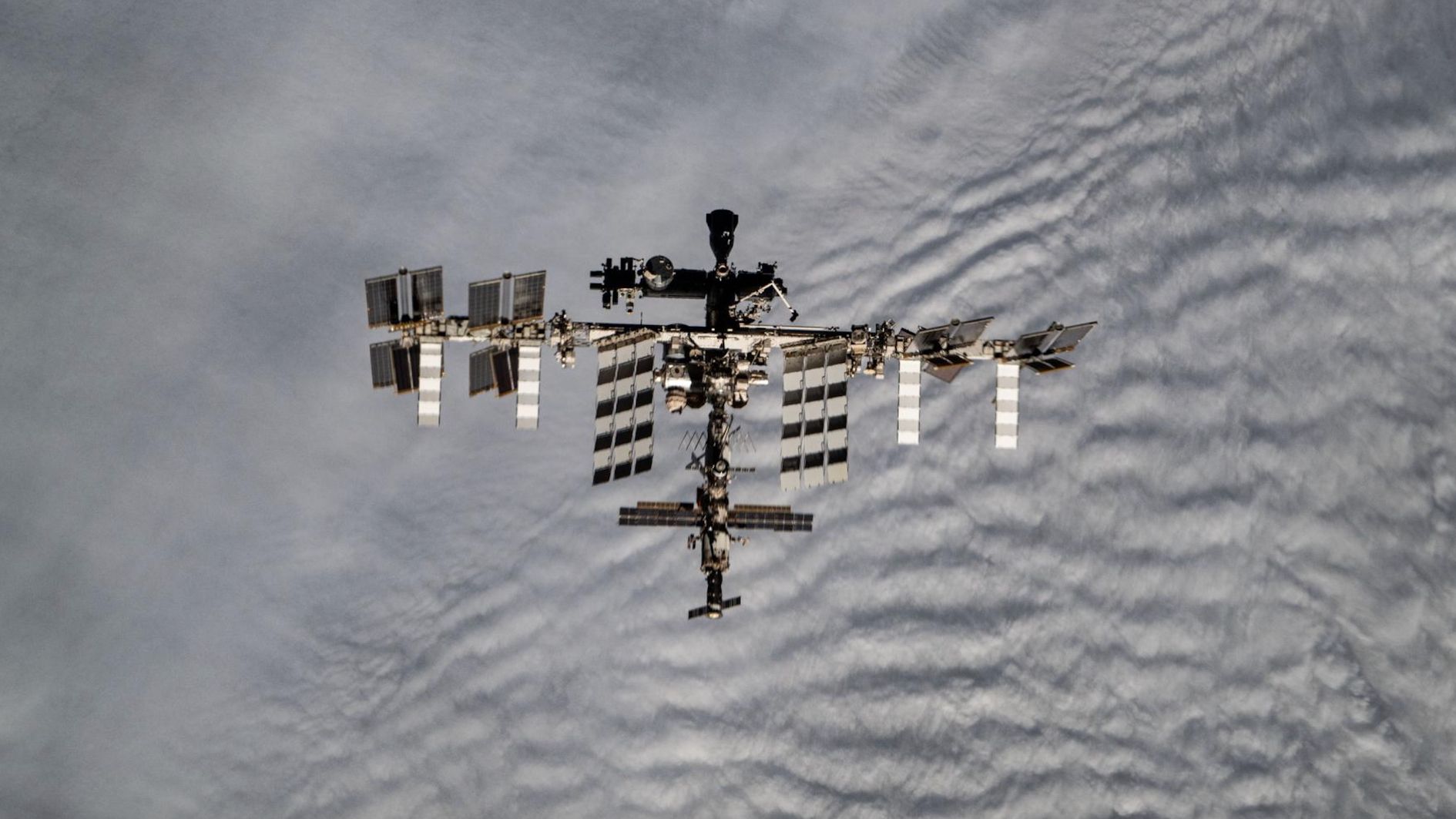
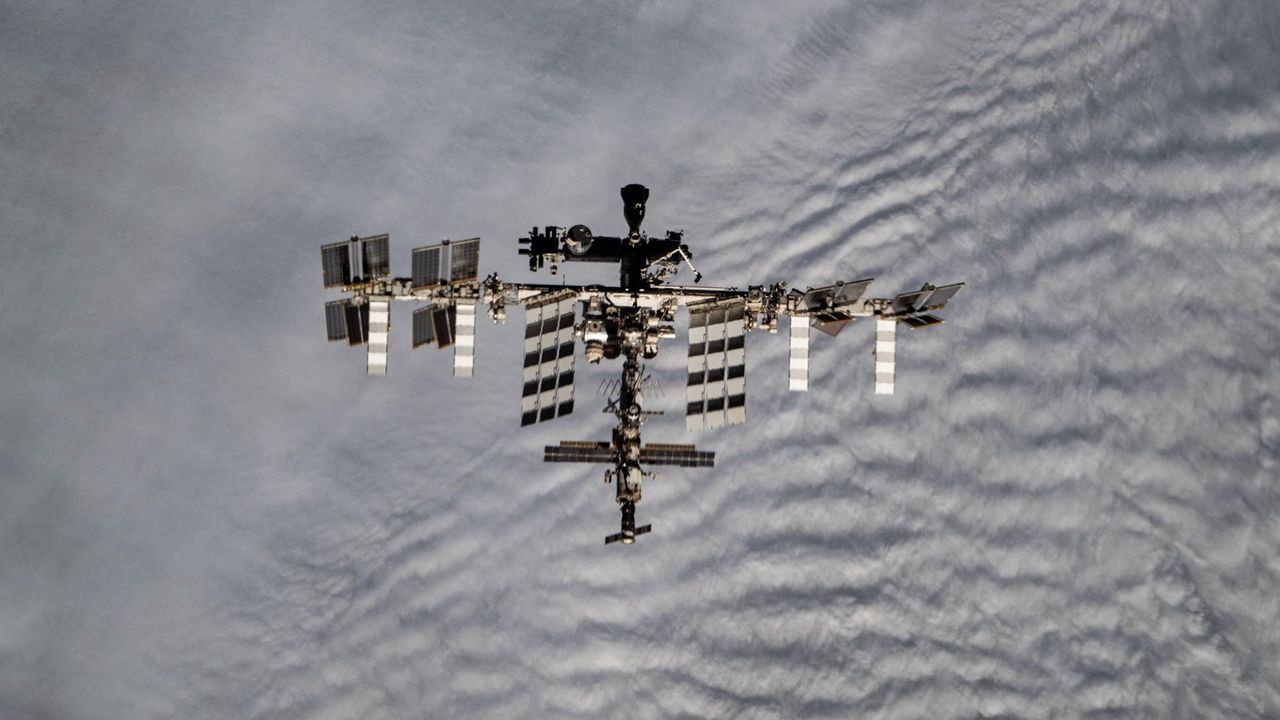
NASA announced on Thursday (Feb. 12) that it has picked Long Beach-based Vast to conduct the sixth private astronaut flight to the International Space Station (ISS), which will launch no earlier than summer 2027.
“Private astronaut missions represent more than access to the International Space Station — they create opportunities for new ideas, companies and capabilities that further enhance American leadership in low Earth orbit and open doors for what’s next,” NASA Administrator Jared Isaacman said in a statement on Thursday.
“We’re proud to welcome Vast to this growing community of commercial partners,” he added. “Each new entrant brings unique strengths that fuel a dynamic, innovative marketplace as we advance research and technology and prepare for missions to the moon, Mars and beyond.”
Four private astronaut missions have launched to the ISS to date, all of them operated by Houston-based company Axiom Space. Axiom is on tap for the fifth one as well, which will launch no earlier than January 2027.
Axiom’s four-person flights use SpaceX hardware — the Falcon 9 rocket and Crew Dragon capsule — to get to and from the ISS. The missions last about two weeks from liftoff to splashdown.
Vast’s 2027 mission will follow that same basic pattern, according to NASA. We don’t yet know who will fly with Vast; the company will submit names of four proposed crewmembers to NASA and the other ISS partners for review and approval.
Vast and Axiom have similar long-term ambitions: Both companies aim to establish and operate a private space station in low Earth orbit (LEO), and both see organizing tourist flights to the ISS as a step toward achieving that goal.
“Leveraging the remaining life of the space station with science and research-led commercial crewed missions is a critical part of the transition to commercial space stations and fully unlocking the orbital economy,” Vast CEO Max Haot said in the same statement.
Axiom plans to launch a handful of modules to the ISS beginning in 2027. This network will undock from the orbiting lab before its demise, becoming the free-flying Axiom Station.
Vast intends to launch a pathfinder station called Haven-1 to LEO in 2027, then use the experience gained to build and operate the multi-module Haven-2 over the next few years. The company has already cut its teeth off-Earth with Haven Demo, a 1,100-pound (500-kilogram) pathfinder spacecraft that launched to LEO this past November to demonstrate key Haven technologies.
Other companies have plans for LEO space stations as well. For example, Blue Origin and Sierra Space are working together on an outpost called Orbital Reef, and a consortium including NanoRacks and Voyager Space are developing one named Starlab.
Both of these efforts have received NASA funding. Over the past five years, the agency has awarded more than $500 million to aid the development of commercial outposts in LEO.
If none of these private stations pans out, the only LEO outpost left when the ISS crashes back to Earth will likely be Tiangong, the three-module station that China finished building in late 2022.