


Transcript:
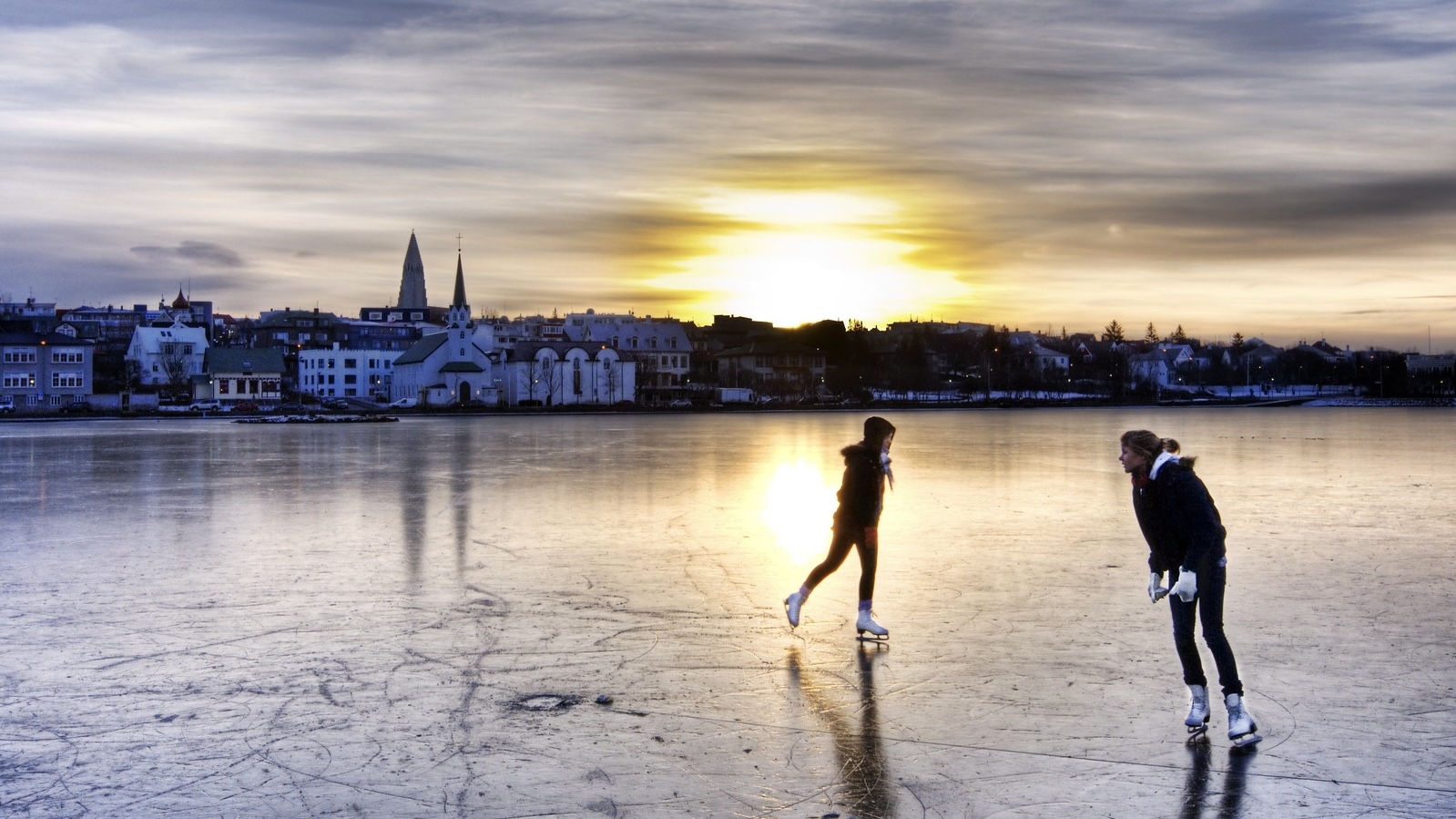
Each winter, people in northern areas eagerly wait for lakes to freeze so they can go ice fishing or ice skating.
But as the climate changes, winters are getting warmer, and in many areas, lakes are freezing later in the fall and melting earlier in the spring.
Warmer weather also makes ice weaker and more likely to break.
So if you’re heading out onto a frozen lake, it’s important to take precautions.
Bring safety gear like a life vest, ice pick, and rope. And pack a tape measure you can use to check the ice’s thickness. It should be at least four inches thick to walk on and much thicker to drive onto.
And remember, these guidelines only apply to clear ice, which forms as lake water freezes.
White ice, which forms from ice or snow that has thawed and then refrozen, is weaker and needs to be much thicker to be safe.
If ice does start cracking beneath you, lie down to spread your weight and roll away. And if you fall in, use an ice pick to grab firm ice, kick to pull yourself up, and go warm up immediately.
No ice is completely safe, and as the climate warms, the risks will grow. But if you’re careful, you can still enjoy a winter day skating or ice fishing.
Reporting credit: Ethan Freedman / ChavoBart Digital Media

