Summary
- At its I/O 2025 event, Google announced it was working on launching “affordable and reliable low RAM TVs” with Google TV.
- The new Google TVs are aimed at consumers on a budget, but it’s unclear how much RAM they will actually have. Google is working with OEM partners on them.
- Low-RAM TVs raise concerns over performance and longevity, and could cost consumers more in the long run.
Google had a lot to share at its recent
I/O 2025 event
, announcing over 100 different software initiatives, including AI mode in Google Search, its Veo 3 AI video generation tool, and
Gemini expanding to more devices
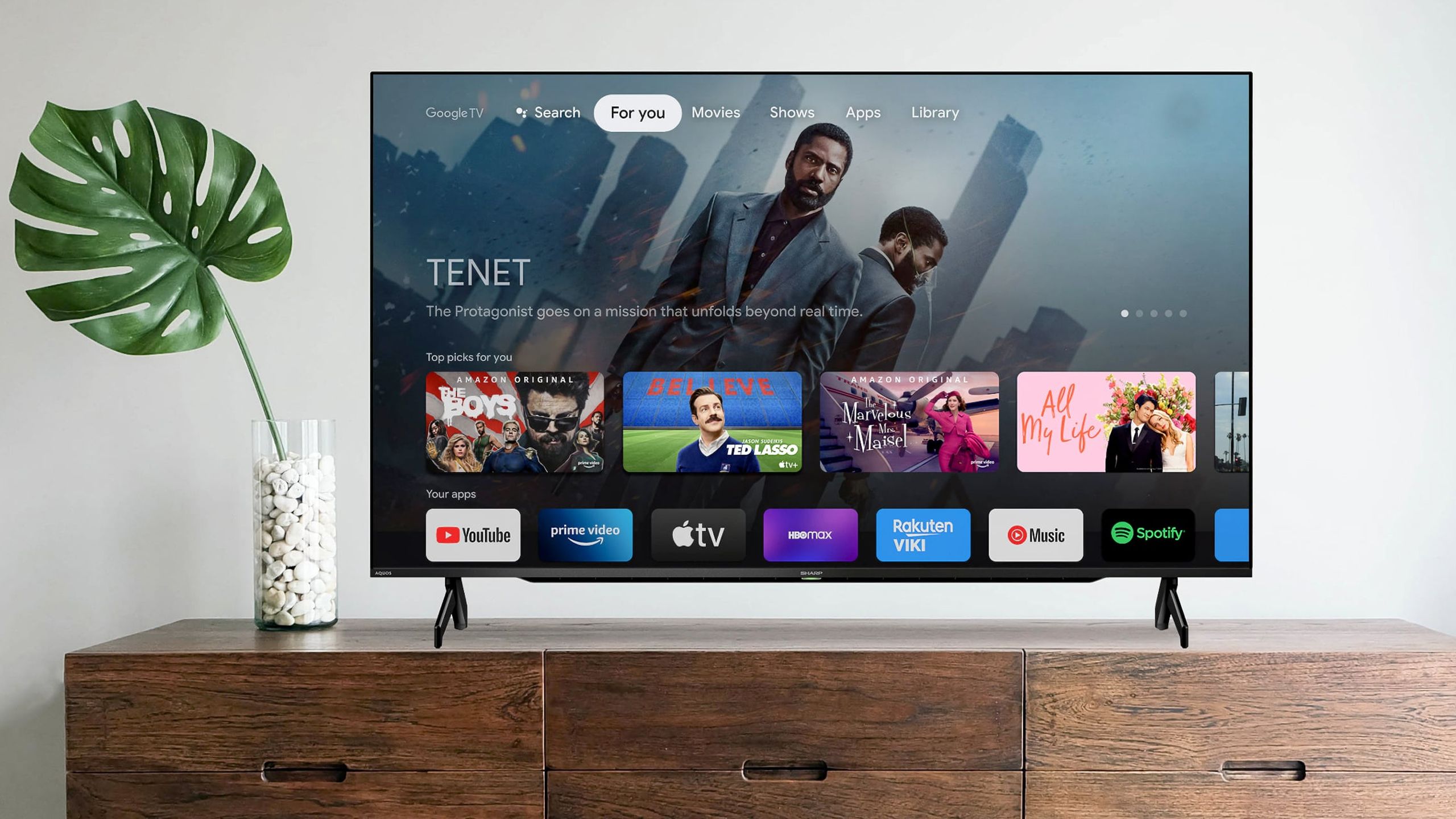
, including smartwatches, cars, and TVs. Speaking of TVs, Google revealed several upgrades for its Google TV OS with Android 16, including Eclipsa Audio support and a visual refresh based on its newly unveiled
Material 3 Expressive
look.
However, one announcement that took me a bit off guard was Google’s emphasis on low-cost TVs. During Google TV’s I/O 2025 presentation, it was revealed that Google will be working on “launching affordable and reliable low RAM TVs” with the aim of “allowing more budget-conscious users to experience quality entertainment.”
Shobana Radhakrishnan, Senior Director of Engineering at Google, stated that the tech giant would partner with “select OEMs” to bring these new affordable TVs to market.
While this announcement has good intentions, it does concern me. To be clear, my worries don’t stem from the fact that Google is developing new low-cost TVs. This is great news, and for budget-conscious consumers, it will make Google TV even more accessible. However, what worries me is the “reliable low RAM” aspect, which remains quite vague and could carry significant implications.

Google TV
- Operating system
-
Google TV
- Ease of use
-
High
- Smart assistants
-
Google Assistant
- Ad presence
-
Moderate
- App availability
-
Very wide
- Notable features
-
AI-curated content; Chromecast built-in

Related
USB sticks have two square holes and now I know why
USBs are everywhere, but do you know what the two square holes on the top of them are for?
Low RAM TVs might have longevity issues
How much is “reliable low” Google?
When I think of a low-RAM TV streaming device, I envision Google’s now discontinued Chromecast with Google TV, which had 1.5GB of RAM and 8GB of storage. As Android Police points out, that device suffered from performance issues and storage problems, which Google had to address multiple times through updates during its lifecycle.
Google’s newest streaming device, the
Google TV Streamer
, addresses these problems with faster processing power, 4GB of RAM, and 32GB of storage. What worries me about this recent announcement is what exactly “reliable low RAM” means.
If it’s under 2GB of RAM, that’s extremely concerning, as it will feel to me like the TVs are outdated from the moment you turn them on.
If a Google TV has less RAM than usual, it might not receive software updates for as long.
Google might be making under-the-hood optimizations to ensure Google TV performs more reliably with less RAM on these TVs, but that seems increasingly difficult, especially as more performance-demanding features come to Google TV in the future, like Gemini this fall. So, performance issues are definitely a concern.
I’m also curious whether there will be any software implications surrounding this. If a Google TV has less RAM than usual, it might not receive software updates for as long. While it’s entirely possible that a low-RAM TV could perform well when it’s brand new, I fear that might not hold true for long. I believe Google is moving in the wrong direction here.

Related
Samsung’s new OLED tech will make TVs as thin as a credit card
Samsung has unveiled its new UT One OLED display technology, which promises ultra-thin and energy-efficient displays in the future.
Google TV shouldn’t lower its minimum RAM requirement
Build up, not down

Google / Pocket-lint
Instead of trying to adapt Google TV for low-RAM TVs, Google should maintain a baseline RAM requirement to ensure proper functionality across all devices, guaranteeing a smooth Google TV experience for everyone. To be clear, budget-friendly Google TVs should be available, but what’s the point of buying a new TV if, a year later, it will already show signs of aging due to insufficient RAM?
Last year, Google updated the minimum RAM requirement for Google TV to 2GB (via Android Authority). It remains unclear if its new “reliable low RAM TVs” will have less than that.
…it seems misguided to launch TVs with low RAM in 2025 that may not provide the quality consumers expect.
Mid-range Google TVs with 2GB of RAM are already available from brands like Hisense, so it’s puzzling to me why Google would make this announcement when TVs with the minimum amount of RAM already exist. This worries me that Google’s new low-RAM TVs might fall below the 2GB threshold.
Considering all the progress Google is making with Google TV, it seems misguided to suddenly launch TVs with low RAM in 2025 that may not provide the quality consumers expect.
Low-cost, affordable Google TVs should be available to budget-conscious users, but not at the expense of RAM. If Google aims to enhance Google TV to compete with Fire TV and Roku, it must continue to deliver better features. I don’t believe that pursuing low-RAM TVs will achieve this, as they simply won’t have the longevity that users would expect. A low-RAM Google TV may ultimately cost consumers more in the long run, especially if they need to buy a new TV two years later due to performance issues.

Related
There’s only one reason to have motion smoothing enabled on your TV
Tom Cruise would have you turn it off always.