Conny Waters – AncientPages.com – A new study reveals that the domestication of grapevines in Italy was a gradual process spanning thousands of years.

Vineyards in the Italian wine region of Piedmont. Image c4edit: Megan Mallen – CC BY 2.0
Each year, worldwide grape cultivation produces roughly 80 million tons of fresh grapes and 26 billion liters of wine, with Italian wine featuring prominently.
While the deep history of viticulture is well-studied in parts of Asia and Europe, data is lacking in the western Mediterranean region.
Now, archeological findings have begun to shed light on the origins of winemaking in this region, suggesting that it may have played a more significant role in ancient trade and cultural exchanges than previously thought.
Researchers have now possibilities to utilize advanced techniques like DNA analysis of ancient grape seeds and residue analysis from pottery shards to piece together the history of viticulture in areas such as Spain and Portugal. These studies aim to fill the gaps in our understanding, offering insights into how local climates, soil types, and indigenous grape varieties influenced early wine production methods.
Additionally, this research could highlight the interconnectedness of Mediterranean cultures through their shared love for wine, revealing trade routes and cultural influences that shaped the development of winemaking traditions we see today.
Each year, worldwide grape cultivation produces roughly 80 million tons of fresh grapes and 26 billion liters of wine, with Italian wine featuring prominently.

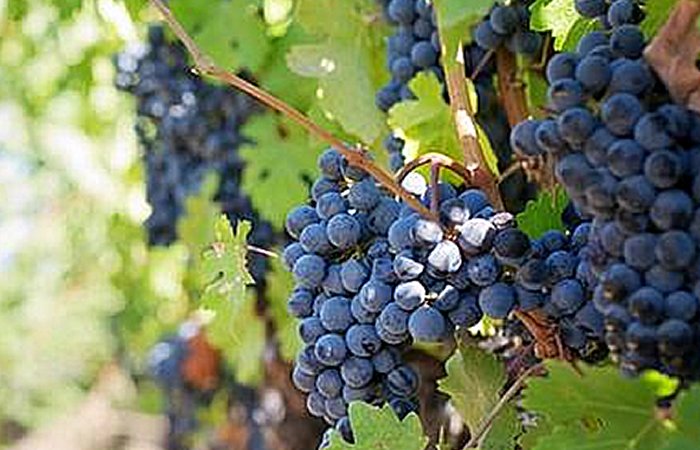
The domestication of grapevine was a slow process in Italy, according to the study.
Credit: Jill Wellington, Pexels, CC0- Public Domain
While the extensive and intricate history of viticulture—often recognized as the science, production, and study of grapes—is well-documented in parts of Asia and Europe, particularly where ancient wine-making traditions flourished, there remains a notable gap in data concerning the western Mediterranean region.
This area, rich with historical significance yet underexplored in terms of viticultural history, presents a unique opportunity for researchers to uncover new insights into past agricultural practices. In an ambitious effort to bridge this knowledge gap, Ucchesu and colleagues embarked on a comprehensive study that meticulously analyzed over 1, 700 grape seeds.
These seeds were excavated from 25 distinct archaeological sites situated in and around Italy. Spanning an impressive timeframe of seven millennia—from the Neolithic Period through to the Medieval Period—this research provides a rare glimpse into the evolution of grape cultivation practices across centuries.
By examining these ancient seeds with advanced scientific techniques such as morphometric analysis and possibly genetic testing, researchers aim to uncover patterns related to domestication processes, varietal selection, and changes in agricultural methods that shaped viticulture long before modern times.
This study not only contributes to our understanding of historic plant domestication but also offers valuable perspectives on how past societies adapted their agricultural strategies in response to environmental changes and cultural shifts.
Morphological analysis has shown that in archaeological sites dating back to before 1000 BC, nearly all the grape seeds exhibit size and proportions similar to those of modern wild grapevines. This finding indicates that these fruits were likely collected from wild sources rather than cultivated.
From approximately 1000 BC to 600 AD, the majority of grape seeds found are similar to modern domesticated varieties. However, there is significant variation in seed size and proportions, as well as the ratio of domestic to wild grapes across different sites. By the Medieval Period, beginning around 700 AD, domestic grape seeds become prevalent and closely resemble those of contemporary cultivated grapes.
These results indicate that grape cultivation in Italy likely began during the Late Bronze Age, followed by many centuries of gradual domestication, likely involving the mixing of wild and cultivated vines to produce new domestic varieties.
The authors point out that these findings are consistent with earlier genetic and archaeological research. However, they emphasize the need for future studies at a broader range of archaeological sites to provide a more comprehensive understanding of grape cultivation throughout the Mediterranean region.
“This research has made it possible, for the first time, to trace the history of the origins of viticulture in Italy,” the authors od the study say.
” The appearance of the first domesticated grapes during the Bronze Age, in Italian archaeological contexts, points to a long-standing tradition of Italian wine heritage within the broader landscape of Western Europe.”
Source
Paper
Written by Conny Waters – AncientPages.com Staff Writer