


DC has apparently discovered a superpower that would make even the Flash jealous: running in circles at extraordinary speed. After four years steering DC Studios through its latest cinematic resurrection, James Gunn and Peter Safran are relinquishing control, with former Marvel executive Jeremy Latcham taking over on December 1.
Another administration, another promised beginning, and another round of corporate musical chairs inside Hollywood’s most accident-prone superhero empire. Gunn’s tenure delivered commercial disappointments, creative gambles, and genuine signs of progress. Yet his departure raises an uncomfortable question.
What happens when the person running DC changes, but the machinery responsible for its troubles remains untouched?
DC keeps changing its leadership while ignoring the wounds underneath
Somewhere inside Warner Bros., there must be a giant red button marked REBOOT. Judging by the company’s history, that button has endured enough punishment to qualify as a DC supervillain. Over the past decade, the studio has cycled through creative leadership, abandoned franchise directions, and repeatedly tried to convince audiences that the next chapter would finally deliver the superhero universe they deserved.
From the turbulent aftermath of Zack Snyder’s DC Extended Universe to the leadership tenures of Geoff Johns, Jon Berg, and Walter Hamada, the franchise has undergone repeated institutional reinventions. Each new administration inherited the expectations, financial pressures, and reputational baggage of the previous one.
Then came Gunn and Safran in 2022, entrusted with rebuilding DC around a unified creative vision.
Their ambitious Gods and Monsters announcement in January 2023 promised Superman, Batman, Supergirl, Swamp Thing, and an assortment of lesser-known comic-book characters. It was an exciting proposition, although audiences had already witnessed enough abandoned plans to fill Batman’s Batcave.
Now, following Skydance’s acquisition of Warner Bros. Discovery in October 2026, another ownership change has produced another leadership shake-up. Gunn and Safran are returning to filmmaking, while Latcham inherits the franchise’s creative direction. The official announcement emphasizes continuity, and the fate of several upcoming projects remains unclear.
But that uncertainty is precisely the problem. A cinematic universe needs consistency. Characters must develop, stories must evolve, and audiences need confidence that the films they invest in will actually lead somewhere. Every significant leadership change threatens that confidence.
The studio cannot keep asking viewers to embrace a decade-long narrative while treating its own creative roadmap like disposable stationery. DC’s history suggests that corporate impatience has become embedded in its operating philosophy, and another organizational chart cannot magically repair that relationship.
Unfortunately, the obsession with organizational reinvention is tied to an equally damaging fixation on Hollywood’s biggest financial success story.
Warner Bros. keeps chasing Marvel’s billions
Marvel built its cinematic empire through an extraordinary combination of timing, consistency, compelling characters, and audience investment. DC has spent years trying to recreate that phenomenon, apparently convinced that acquiring the correct executive will unlock Kevin Feige’s secret infinity gauntlet.

The problem is that the entertainment landscape has changed. Audiences are increasingly selective about superhero films. Familiar costumes, interconnected stories, and surprise cameos no longer guarantee packed theaters. Yet the financial expectations surrounding major comic-book adaptations remain enormous.
Gunn’s Superman earned approximately $619 million worldwide against a reported $225 million production budget. Its reception was encouraging, earning an 83% critics score and a 90% verified audience score on Rotten Tomatoes. For a franchise recovering from years of inconsistent reception, that was meaningful progress.
However, the subsequent numbers were difficult to ignore. Supergirl grossed roughly $126 million worldwide against a reported $170 million budget, while Clayface collected approximately $110 million. Those results exposed genuine weaknesses in Gunn and Safran’s strategy. Introducing relatively obscure characters through expensive theatrical productions carried significant commercial risks.
Gunn’s affection for the forgotten corners of comic-book mythology was admirable, although the rollout arguably demanded considerable audience investment before the central heroes had established themselves. Nevertheless, the broader problem extends beyond individual casting decisions and production budgets.
DC has repeatedly treated the interconnected universe as the ultimate achievement, with individual films expected to contribute toward a distant crossover event. Meanwhile, The Batman earned approximately $773 million worldwide through Matt Reeves’ distinctive crime-noir vision. Todd Phillips’ original Joker crossed $1 billion by exploring one character through an unconventional psychological lens.
Their success demonstrated the commercial appeal of focused storytelling, although Joker: Folie à Deux also proved that standalone projects carry substantial risks. The lesson remains straightforward: a shared universe is a storytelling possibility, never a substitute for compelling cinema.
And if Hollywood’s executives are still calculating success through yesterday’s billion-dollar benchmarks, they risk overlooking the most valuable achievement Gunn was beginning to deliver.
James Gunn was rebuilding audience trust, and DC may be wasting that progress
James Gunn was never a flawless architect. His enthusiasm for niche characters sometimes complicated the early stages of DC’s reconstruction. His ambitious slate invited questions about priorities, and the uneven box-office results exposed weaknesses in the strategy.
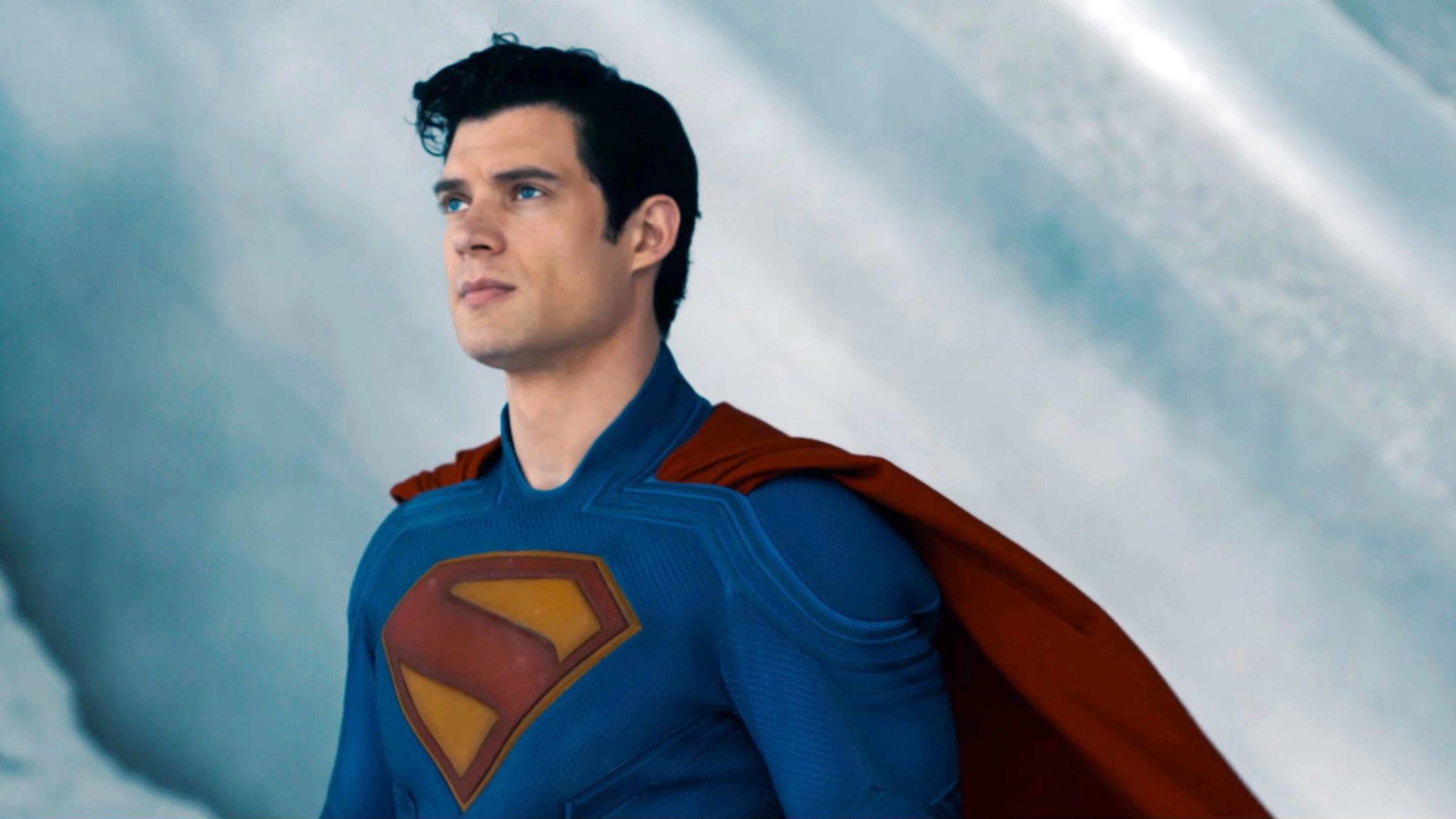
But his Superman accomplished something that years of interconnected planning had struggled to deliver: it gave audiences a reason to feel enthusiastic about DC’s future. David Corenswet’s Man of Steel embraced compassion, sincerity, and the character’s comic-book roots. His Superman rescued people, cared about ordinary lives, and brought a distinctly hopeful energy into a genre increasingly associated with apocalyptic destruction.
Even Krypto helped remind viewers that superhero stories could be wonderfully ridiculous. For audiences exhausted by multiversal homework and endless franchise preparation, that sense of fun mattered. A successful cinematic universe grows through repeated positive experiences. Someone watches Superman, enjoys the adventure, develops affection for its characters, and becomes interested in Man of Tomorrow.
That relationship strengthens with consistency. Every satisfying installment becomes an invitation to return. Naturally, no sequel is guaranteed to outperform its predecessor. Audience goodwill creates opportunities; the filmmakers must still earn their success. But the fundamental principle remains sound.
Gunn was attempting to rebuild DC’s credibility one project at a time. Now the franchise faces another transition before audiences can properly assess the long-term results of that approach. To be clear, Gunn remains creatively involved with Man of Tomorrow, scheduled for July 2027. His departure from executive leadership does not automatically mean another complete reboot.
Still, the uncertainty surrounding DC’s direction illustrates the fragility of a franchise constantly subjected to corporate reinvention. Jeremy Latcham has substantial Marvel experience and may bring valuable discipline to the studio. But even the architect behind The Avengers cannot manufacture audience loyalty through a presentation filled with release dates.
DC needs patience, creative stability, realistic financial expectations, and films that make its characters worth revisiting. Let Superman fly. Let Batman investigate Gotham’s darkest corners. Give filmmakers room to tell satisfying stories before worrying about the next enormous crossover.
A decade-long cinematic roadmap means very little when audiences have stopped trusting the road ahead. And perhaps that is DC’s greatest tragedy: it keeps searching for someone capable of saving its universe while repeatedly undermining the foundations needed to build one.
Was James Gunn given enough time to rebuild DC, or does the franchise need an entirely different strategy? Let us know in the comments.


