


The streaming world recently experienced another massive shake-up. On November 6, Fox officially closed its $22 billion deal to purchase Roku, The Streamable reported. This purchase gives Fox control of the free, ad-supported streaming service, The Roku Channel, as well as its 500+ live channels and over 80,000 free movies and TV shows.
This deal comes in an age when a select few media companies have developed huge claims over the streaming industry. Disney currently controls Disney+, Hulu, and ESPN+, while Skydance owns Paramount+, HBO Max, Discovery+, and Pluto TV. Since it already owned Tubi and FOX One, Fox’s acquisition of Roku, which reached over 100 million users in April, has increased its stake in the FAST streaming market.
“This is a defining moment for FOX, and a natural extension of the deliberate and focused strategy we have been executing for nearly a decade,” said Fox CEO Lachlan Murdoch. “Today, we take the next step: bringing together the most valuable live content portfolio in video consumption with the preeminent streaming platform through which America watches it.”
Since the deal was announced in June, there have been concerns about its potential impact on the entertainment industry. The Department of Justice, in particular, has paid close attention to the deal to make sure it doesn’t violate antitrust laws. In response, Fox has revealed its streaming plans for Roku going forward.
Roku will remain the same under Fox
The merger was approved with no significant changes
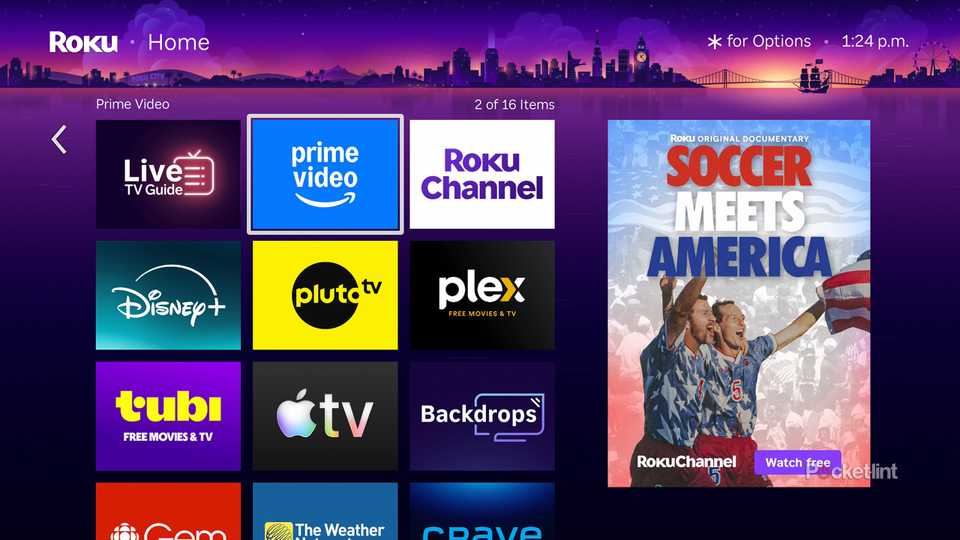
To get the DOJ to approve the merger, Fox made multiple promises to ensure that the deal wouldn’t negatively impact the entertainment industry. According to The Streamable, here are the four pledges:
- Roku will continue carrying non-Fox content for at least three years
- The platform will not discriminate against non-Fox content in search results on Roku devices.
- Fox will keep offering data products to third parties that meet Roku’s basic distribution agreements.
- Fox will continue to “maintain existing contractual firewall commitments to content partners for competitively sensitive non-Fox content data.”
After Fox made these promises, the DOJ said that “the entry of free, ad-supported streaming providers would be timely, likely, and sufficient to make a substantial risk of harm to competition unlikely,” according to The Desk. The DOJ also found that “because Roku relies on a broad offering of content from many providers to attract consumers, the merged firm would suffer monetary and reputational harm if it attempted to use the Roku platform to harm Fox’s content rivals.”
In the end, Roku won’t undergo any serious changes anytime soon now that it’s under Fox’s umbrella. Streamers will still be able to modify their experience on Roku to their liking. This includes removing content tiles for apps and services that they don’t want. Though Roku previously installed its own apps, such as Frndly TV and Howdy, onto its streaming devices and smart TVs, users could still take them down.
What’s next for Roku?
Expect some big games

Now that Fox has acquired Roku, there are sure to be some big changes regarding sports. Fox already holds rights for the NFL, MLB, NASCAR, and Big Ten, so it could have a huge impact on the games people stream on The Roku Channel. Roku could become a major streaming hub for sports fans thanks to Fox.
Also, having previously streamed the 2026 FIFA World Cup on Tubi, Fox plans to submit a bid for the rights to the next two World Cups. According to Sports Business Journal, Lachlan Murdoch said on November 2 that his company “will be looking at [World Cup] rights for 2030 and 2034 in a disciplined manner.”

- notable shows
-
2 Broke Girls, Billions, Mary & George
- Originals
-
Yes
- Live TV
-
Yes
- Price
-
Free
- Ad plans
-
Ads included


