


Photographers are always looking for things to photograph. This can be a problem.
It can be a problem because photographs, the really good ones that work as a picture, are not made of things. Subjects are important, but I think we can all agree that even the most amazing subject can take centre stage in what ends up being a boring photograph. A pretty thing does not, ipso facto, make a pretty picture.
It’s possible to be blinded by our subjects, so seduced by them that we overlook the absence of any harmony of colour, any particular mood, or—often—that strong line in the background we didn’t even see when had the camera to our eye. Why didn’t we see it? Because our mind is engaged in real-life triage, trying to determine what matters and what does not. The bear matters. The colourful flower matters. The tree in the background, or that bright spot, or the mismatched colours, they don’t matter. Unless, of course, you’re making a picture.
If you’re making a picture then they matter a great deal. No matter how great your subject. So much, in fact, that I’d argue we should be looking to the background first as we compose.
Perhaps it’s not the first thing we notice, but the moment we find a subject and think, “Look at that!” we need to look beyond that, whatever it is, to the stage on which it sits.
We need to look immediately for the rest of the picture and then work forward (though it’ll seem backwards) from there. Sam Abell is one of my favourite photographers, and he teaches his students to compose from back to front. “My dad,” he says, “had been an ardent amateur photographer, and he taught me to compose a photograph from the back to the front, and then populate the picture.”
Build the stage first, then determine where the characters need to be.
It feels backward, but if you agree that composition matters, that your choices about everything else in the picture are just as important as the subject you choose, then this one change in how you think can make a world of difference. It will change what you look for. I would describe it as looking for scenarios, not just for subjects. Rather than “OMG, look at that thing!” It becomes, “Look at that thing in that light, against that background!”
You’re not looking for things! You’re looking for pictures.
Thinking this way changes your timing—you’ll probably wait a lot longer for the right thing to be in the right place in the picture. It changes where you put the camera, too, because you don’t just need a thing in your picture; you need a thing in the right place relative to the other things or it won’t feel balanced or tell the story you want to tell.
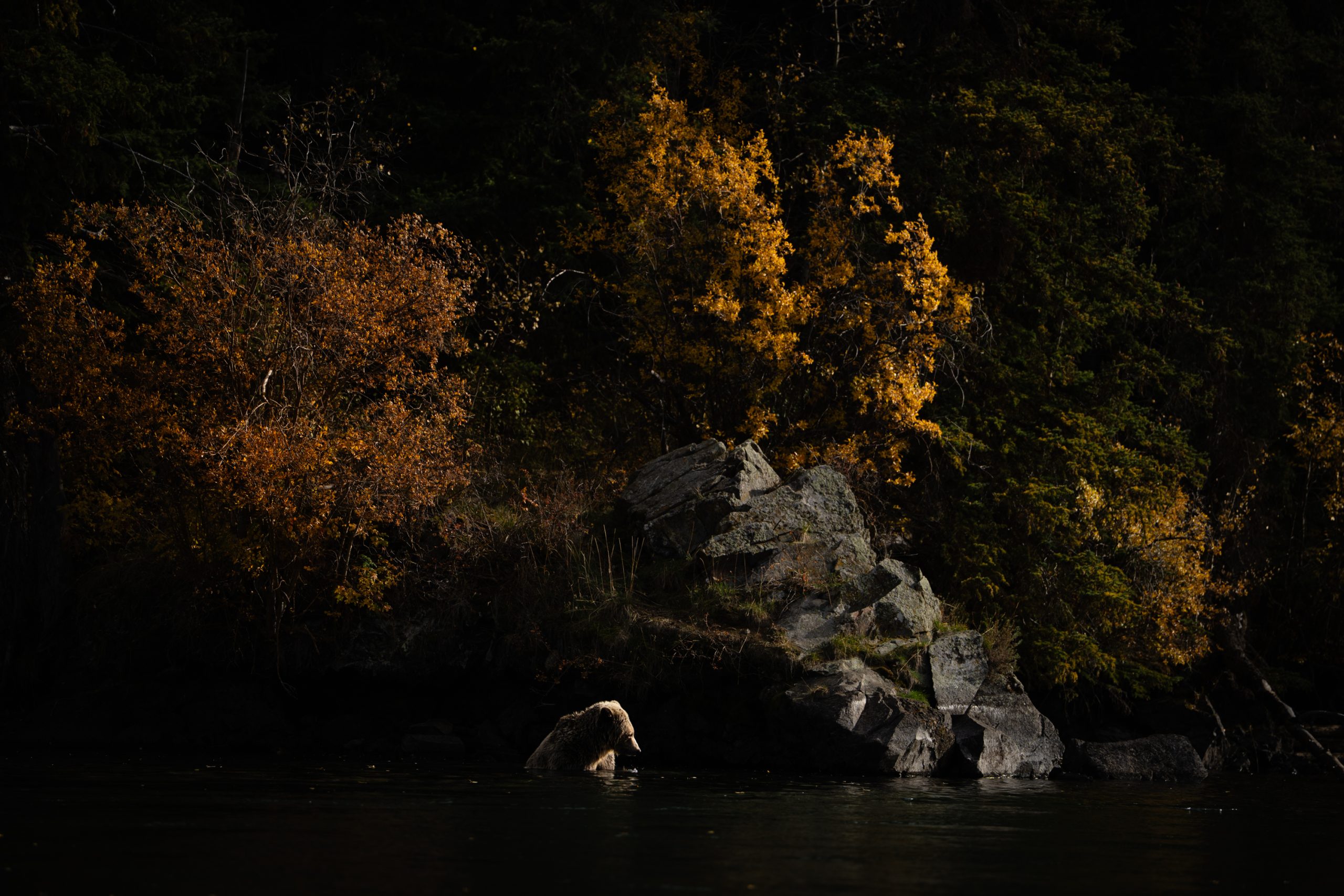
A recent example. I have a lot of photographs of bears. But it’s not the bear alone that makes this image work. It’s the placement of the bear. The balance of light and dark, the negative space around the bear, the colour. In composing this I started with the background framing and then waited for the bear to hit his mark. That’s how I understand the advice to compose from back to front. Figure out the rest of the canvas, then place the subject either by waiting it out, or moving the camera.
Thinking this way will make your photography harder, but it will also make your photographs stronger because all the elements in an image need to be intentionally chosen, included or excluded on purpose. It will make you pickier, and that will rule out some of (many of?) the photographs you might have made before.
We’ve got to stop thinking of photographs as capturing a thing. That’s just one part of the image, but it’s not the design of the image. Yes, you have a subject, but do you have a photograph?
One of the biggest shifts you can make in your photography is being more intentional about your canvas and every other element you paint upon it.
This is why depth of field matters: it helps paint the background with purpose. It’s why your point of view matters, too. Sometimes just moving a little to the left or right aligns the elements in the frame just right and the whole story changes. It’s why looking at the colours and paying attention to the lines matters. Because we see and experience the whole picture. The rest of the picture informs how we think and feel about the subject.
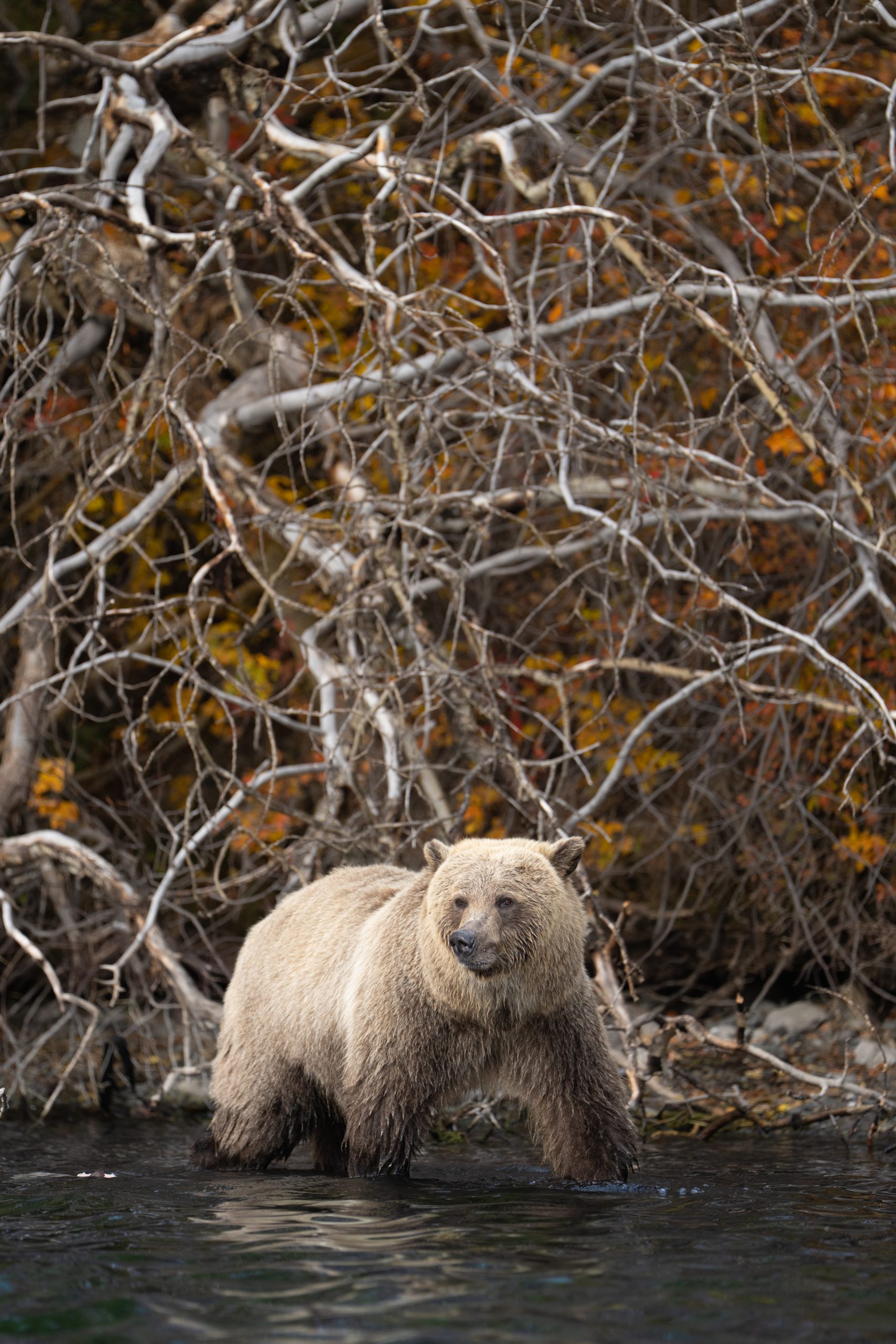
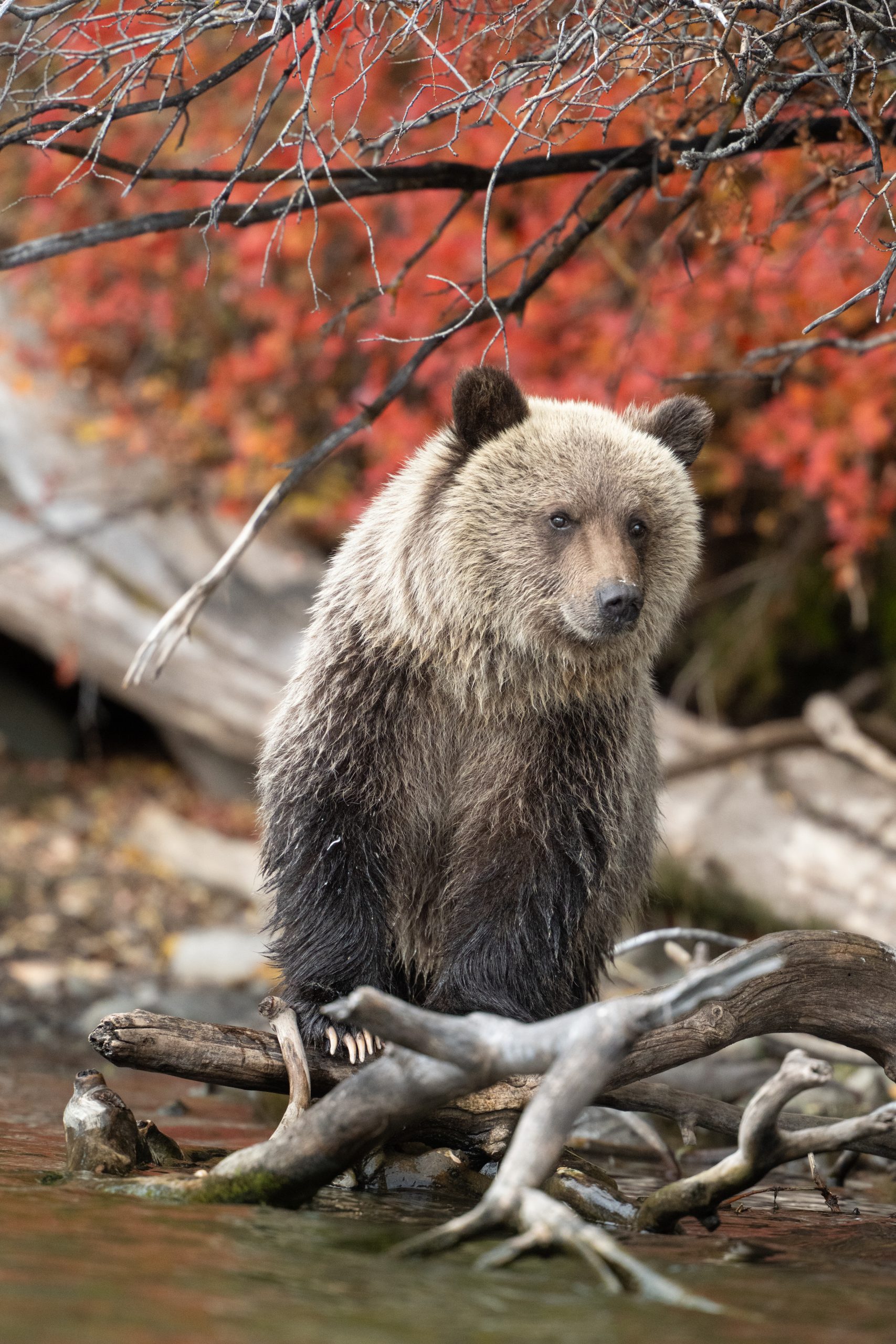
Two more examples in which the background forms an important part of the image. I had plenty of chances to photograph these two bears, but in designing these specific frames I started with my backgrounds, without either of which these two photographs would be just bears, and would lack the visual appeal of the colour and pattern that make them what they are.
Now that I think about it, the advice I hear most often about backgrounds is usually little more than, “Check your backgrounds and make sure that there are no distractions.” True. But is that the best we can do with them? Just clear them of distractions? Distractions from what? Well, usually, it’s the subject. The thing. But the best photographs are so much more than “the thing.” Look at the strongest photographs you can think of. Would they be the same if all the other elements were different? Just cut the thing out and plunk it on another background and, “Yup, same picture!”? Would you feel the same about it?
If the answer is yes, then you’ve probably got a subject, not a scenario. You have a thing, but do you have a picture?
It took me a long time to wrap my head around Sam’s father’s simple advice, but what a difference it made. And maybe it’s a matter of stages. When you begin to photograph, you need to develop an eye for subjects, and that’s necessary. Subjects matter. But some of us never move on to the very necessary stage during which we learn to intentionally pair subjects with backgrounds and other elements in the scene. Starting at the back and populating your picture from there is one way of thinking about it. Looking for scenarios, not just subjects, is another.
However you think about it, the picture isn’t complete—or compelling—without real thought given to the rest of the canvas.
For the Love of the Photograph,
David


