


Matthew Walker, co-director of Shaun the Sheep: The Beast of Mossy Bottom, believes artificial intelligence cannot replace the human touch that makes stop-motion animation special. The filmmaker has pointed to the appeal of physical puppets, meticulously constructed sets, and the imperfections that give handmade animation its character. As AI-generated imagery becomes increasingly sophisticated, Walker argues that audiences still want to see the craftsmanship behind the finished frame.
For Shaun the Sheep fans, that distinction is part of the magic. A sheep’s crooked grin, a tiny prop, or a carefully timed tumble is the result of artists moving physical models one frame at a time, turning painstaking labor into seemingly effortless comedy.
Matthew Walker believes audiences still want to see the fingerprints behind animation
Ahead of the Italian launch of Shaun the Sheep: The Beast of Mossy Bottom at the 60th edition of Lucca Comics and Games, Matthew Walker was asked whether the new feature could represent a symbolic stand against AI’s growing presence in filmmaking. The question speaks directly to Aardman Animations’ identity, with its films relying on physical puppets, detailed miniature sets, and the painstaking work of animators.
He cited Sony Pictures Animation’s Spider-Verse franchise and its use of hand-drawn elements.
“There’s a desire to see the craft behind the finished product. Like being able to see the pencil lines. In stop motion, it’s about being able to see the fingerprints,” he said.
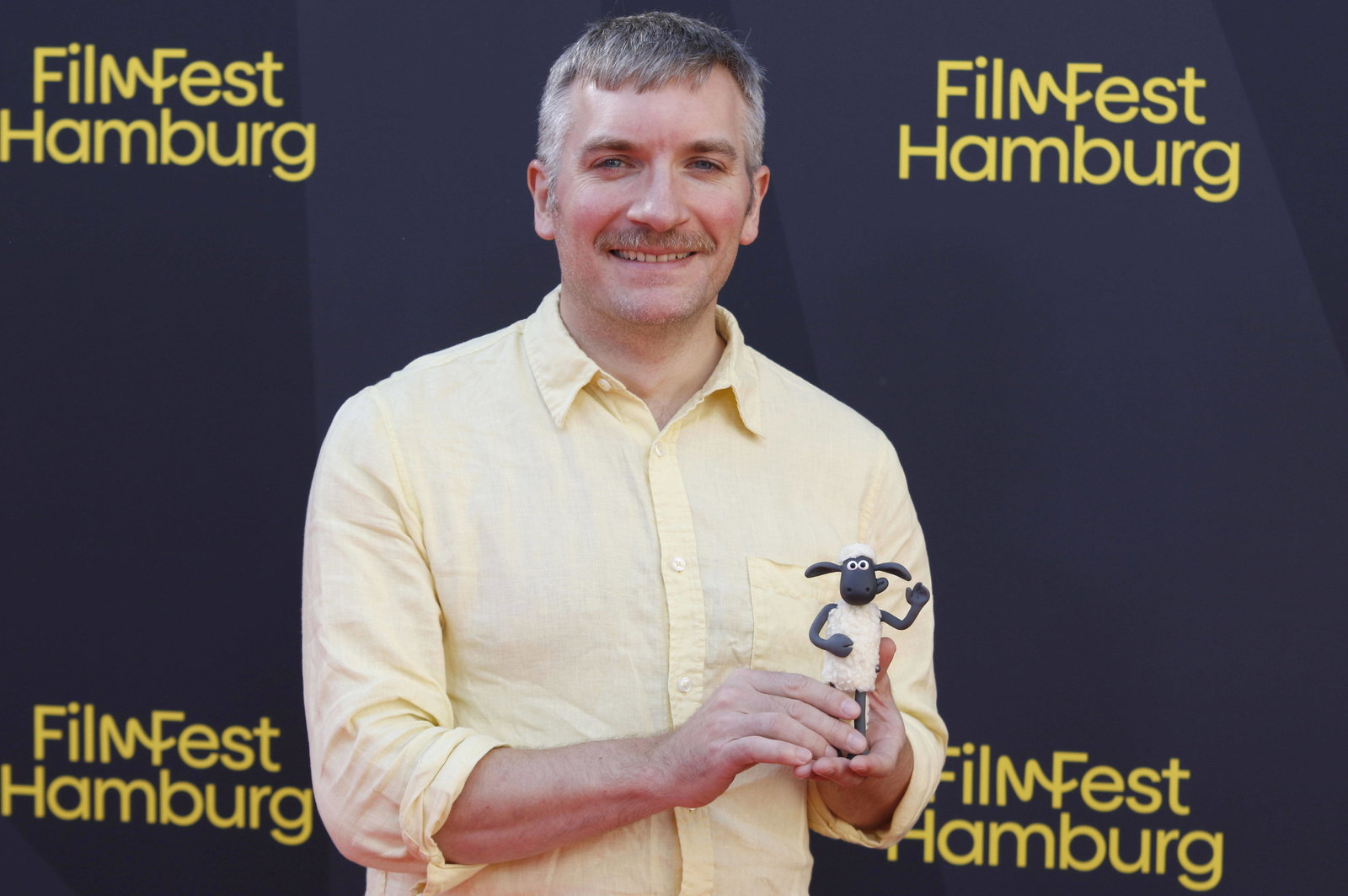
Matthew Walker at the premiere of the movie *Shaun the Sheep: The Beast of Mossy Bottom* at the 34th Filmfest Hamburg 2026 at Cinemaxx Dammtor in Hamburg, September 25, 2026 Foto:xC.xTamckex xFuturexImagex shaun_6928
Walker believes that the appeal extends beyond the stories themselves.
“Something I love about stop-motion is the tactile physicality of it and I think that’s what appeals to audiences,” he explained to Variety.
The popularity of Aardman’s behind-the-scenes videos, he argued, reflects audiences’ curiosity about how those worlds are constructed. Walker also pointed to a growing desire for imperfection in an era when digital technology can make images look almost impossibly polished. His support for AI comes at a time when most of Hollywood creatives are outright rejecting it.
That comparison captures the heart of Walker’s argument. The fingerprints on a puppet are not flaws that need to be digitally erased; they are traces of the artist’s physical involvement. Much like a visible brushstroke in a painting, they remind viewers that a human being shaped the image, one deliberate movement at a time.
Why AI can imitate animation but still struggle to capture its emotional intent
Matthew Walker also addressed whether audiences can recognize AI-generated animation and disengage from it emotionally. Although he acknowledged that the technology is advancing rapidly, he believes viewers can sense when something feels subtly wrong, even if they cannot explain precisely what is missing.
“Something that doesn’t quite feel right,” he told Variety.
Walker admitted that it might eventually become harder to distinguish AI-generated work from human-made animation, but he believes audiences can still recognize the difference in the experience of watching it.
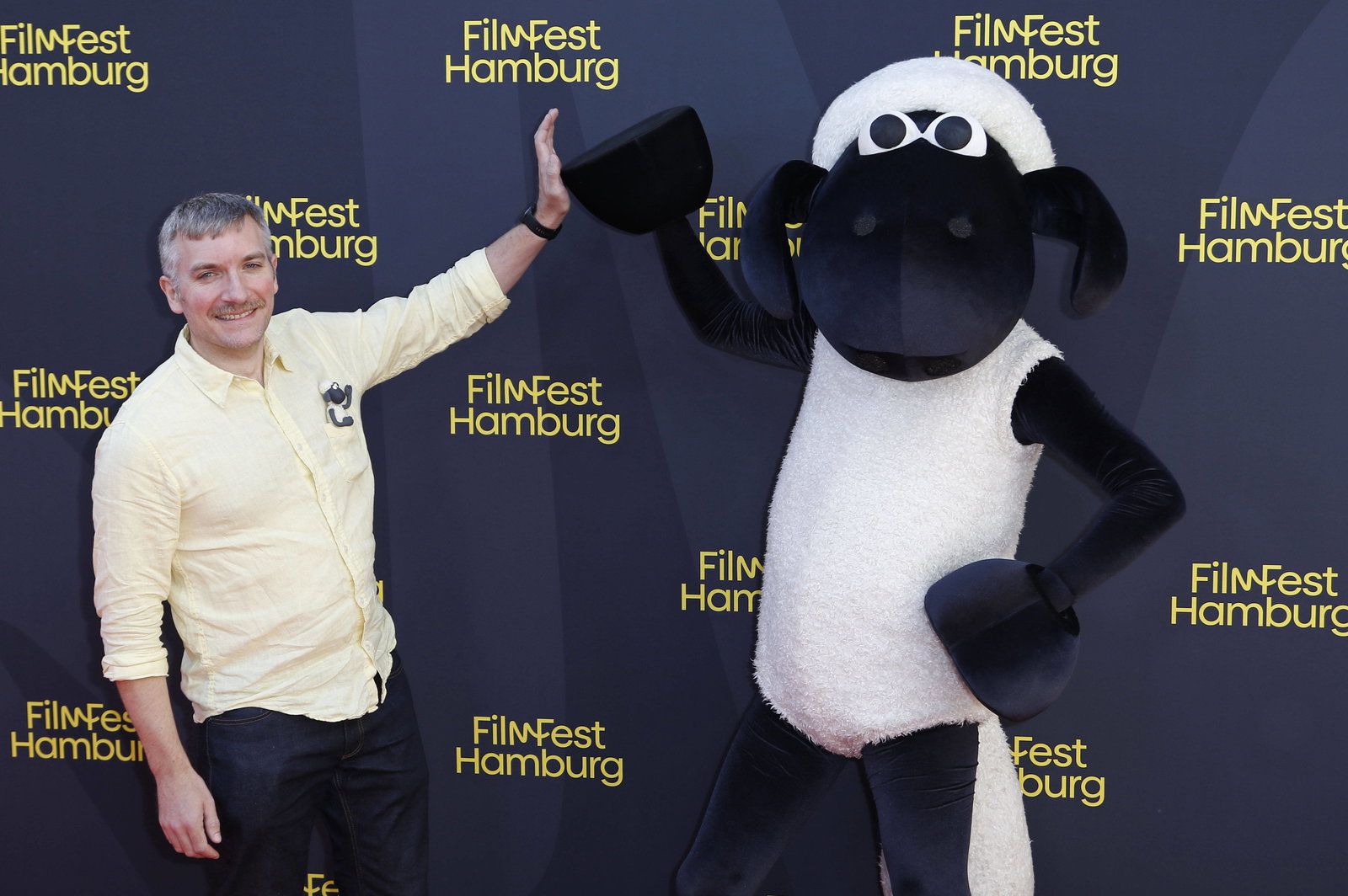
Matthew Walker at the premiere of the movie *Shaun the Sheep: The Beast of Mossy Bottom* at the 34th Filmfest Hamburg 2026 at Cinemaxx Dammtor in Hamburg, September 25, 2026 Foto:xC.xTamckex xFuturexImagex shaun_6922
His distinction goes beyond whether animation looks convincing. Walker questioned whether reproducing an artistic style is the same as understanding the creative decisions behind it. For Walker, the craftsmanship matters because it reflects human intention, not simply a technique that can be copied.
Ultimately, Walker sees handmade animation as a reminder that technique and storytelling are inseparable. As Shaun the Sheep: The Beast of Mossy Bottom brings its miniature world back to the screen, the debate over AI raises a question about what audiences value in animation.
Do you think AI can ever reproduce the emotional appeal of handmade stop-motion? Share your thoughts in the comments.


