


Reading Time: 3 minutes
There is a new twist in the horror of the Cornell gang rape case.
Previously, the District Attorney had said that his information, prior to the lawsuit, was that there was a consensual encounter with a conscious woman.
That was before the transcripts of Jane Doe’s interview came out.
Now, prosecutors are saying that campus police seem to have withheld key details of the case.
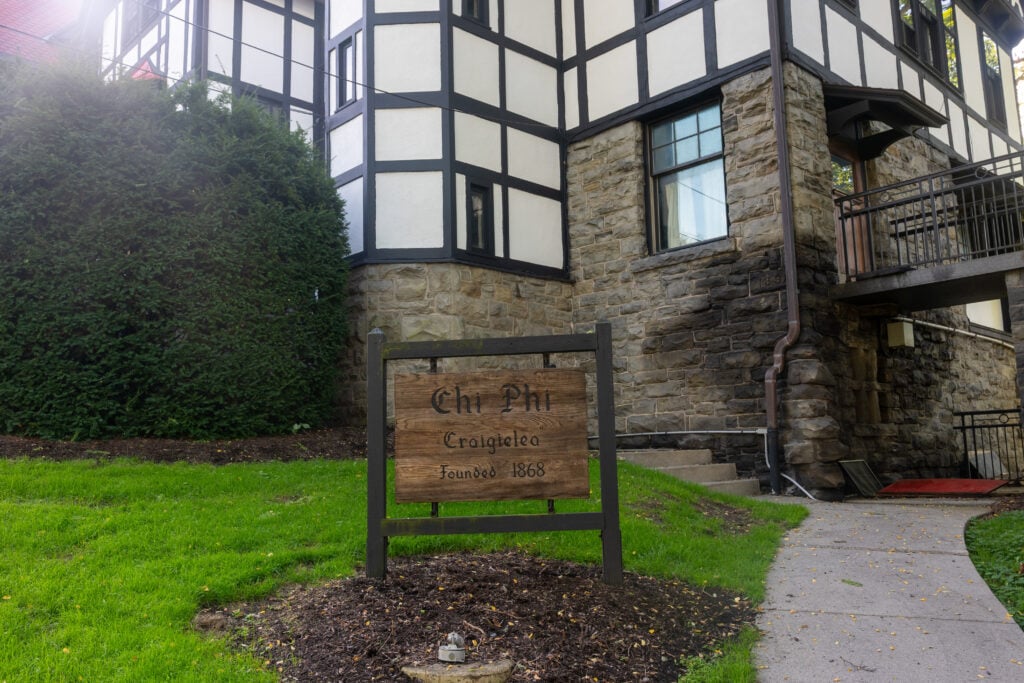
Why would Cornell University Police allegedly withhold key details?
CBS News got a hold of the transcript of Jane Doe’s interview with Cornell Campus Police in November of 2024.
“I can say with 100% confidence, I was raped,” she told investigators, according to the transcript.
Also during the interview, Jane Doe recalled that she was “completely and totally incapacitated” during the assault.
This is news to the District Attorney, whose office previously received a summary of the investigation.
In that summary, campus police claimed that the unnamed victim had told them that the encounter was voluntary, conscious, and consensual.
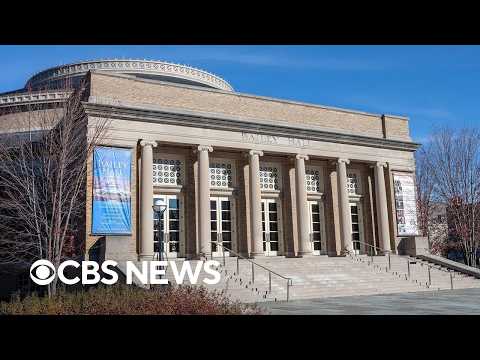
District Attorney Matthew Van Houten says that he never saw the full transcript from Jane Doe’s November 2024 interview.
Instead, he only saw the results of the investigation and the way that the university had framed it.
The subtext to all of this, as multiple outlets have noted, appears to be an allegation.
Did campus police hide key statements from Jane Doe when summarizing the investigation to prosecutors?
Van Houten vowed: “If she had said those words, we certainly would want to have explored that more. Like I said, that wasn’t provided to me.”
THE CORNELL RAPISTS. NOT THE CORNELL 7
[image or embed]
— Drew Webb 🏳️🌈 (@archeryfan93.bsky.social) September 28, 2026 at 8:18 PM
Even without an alleged coverup, it is difficult to find justice for survivors
Unfortunately, crimes like the alleged gang rape that Cornell University appears to have consciously attempted to sweep under the rug are nothing new.
It is so common for universities to utterly fail rape survivors that there have been studies on how these survivors move on.
Those who react to the total lack of real consequences for the monsters among them with denial are often able to complete their educations, even if they will certainly have long-term psychological and emotional consequences.
Meanwhile, those who do not lapse into denial often end up switching schools (if they can afford to) or dropping out, grappling with the initial assault as well as the university’s indifference (at best) to the crimes against them.
When it comes to the Cornell 7, many have pointed out that the university did take disciplinary action, but it was so lacking in substance that, according to Jane Doe’s lawsuit, only two were expelled. Others were allegedly allowed to write essays.

This seems to indicate, as many on social media have pointed out, that the university wasn’t denying Jane Doe’s allegations — but simply didn’t view it as serious.
(Or, as others counter, viewed these serious allegations as less important than the university’s reputation. How is that working out?)
None of these men faced charges or prosecutions, let alone convictions or prison. That’s consistent with a massive, depressing statistic about sexual assault and legal consequences.
The good news is that the faces and names of these alleged gang rapists have leaked. Even if prosecutors fail to bring them to justice, social sanction can cause them to face some consequences. (People online are already contacting some employers; to be fair, most employers would genuinely like to know this sort of thing.)
The bad news is that, even if charged, tried, and convicted, a trial will put Jane Doe through hell, and consequences for rape in our legal system tend to be disturbingly lenient.
There is little justice to be found in our justice system. But we can always hope for an exception.

Get the app — celeb news firstPush alerts the second a story breaks · 4.8★ · Free
Get the App


