


Conny Waters – AncientPages.com – As populations expanded in Medieval England, key changes occurred in the use of cattle and sheep to produce food and materials, according to a new study.
During Medieval England, shifts in population and trade led people to change how they used animals for meat, milk, and farming.
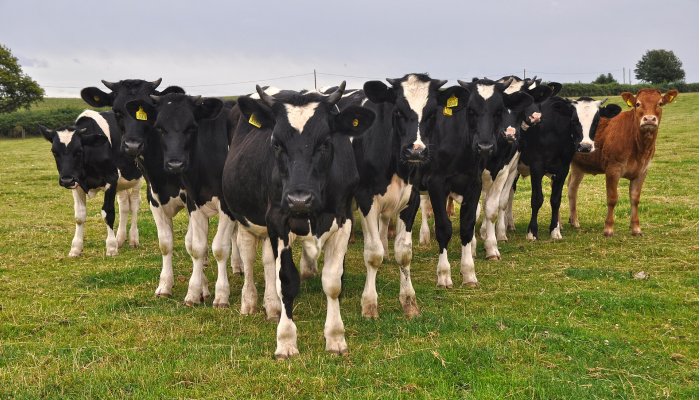
North Devon : Cattle Grazing by Lewis Clarke –CC BY-SA 2.0
Until now, the timing of these changes was not well known. Holmes and her team studied this by analyzing data from the Feeding Anglo-Saxon England project, which covers 460 sites across England from 400 to 1400 CE. The results of this study are that at first, cattle were much more common than sheep. Sheep numbers started to rise in the 7th century, mainly on monastic farms focused on wool.
By the end of the period, wool had become a key part of the economy. From the 10th to 12th centuries, older male cattle became more important, and changes in their leg bones suggest they were used for heavy work. This practice declined later, probably because people wanted more meat and began using draught horses more often.
These findings support earlier research and help clarify when certain changes happened, like the early growth of sheep farming and the changing use of draught cattle. The authors point out that there are still many questions to explore, such as differences between archaeological sites and how to better identify the sex of ancient animals.
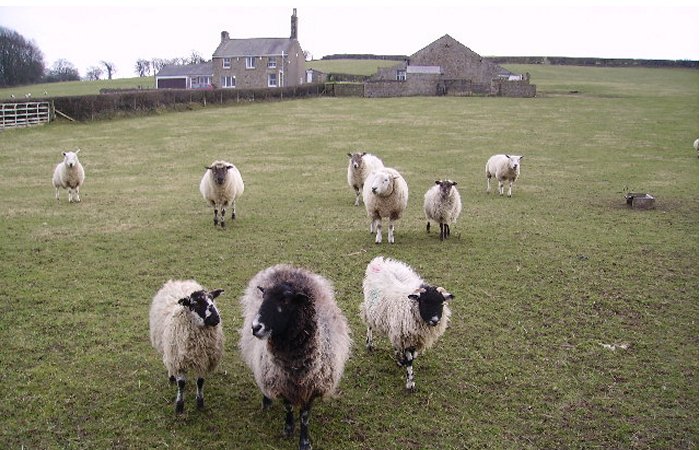
Sheep Hill Side farm. It’s been a good week for sheep. Image credit: Ron Shirt – CC BY-SA 2.0
The researchers explain that using an aoristic method helped us study how cattle and sheep were used over time, without dividing history into fixed periods such as ‘Saxon’ or ‘high medieval’. This approach made it easier to notice the growing focus on sheep farming in the seventh century, the peak use of draught cattle for farming between the tenth and twelfth centuries, and then the shift in market demand for more meat and milk as the population increased in the thirteenth and fourteenth centuries.
This project was very rewarding to work on. It built on the important research from the Feeding Medieval England project, using its data to create a new way of analyzing information with David Orton. This method will help us better understand how the animal economy changed over time, and it could also be used to study other kinds of archaeological data.
See also: More Archaeology News
The rise in older cattle between the tenth and twelfth centuries was surprising and suggests that farmers changed how they worked during that time.
This likely meant people and cattle worked more closely together, and cattle were probably seen as important members of the workforce. For sheep, it seems that new monastic communities in the late seventh century initiated the growth in wool production that supported the English economy until the sixteenth century.
Source
Paper
Written by Conny Waters – AncientPages.com Staff Writer
