


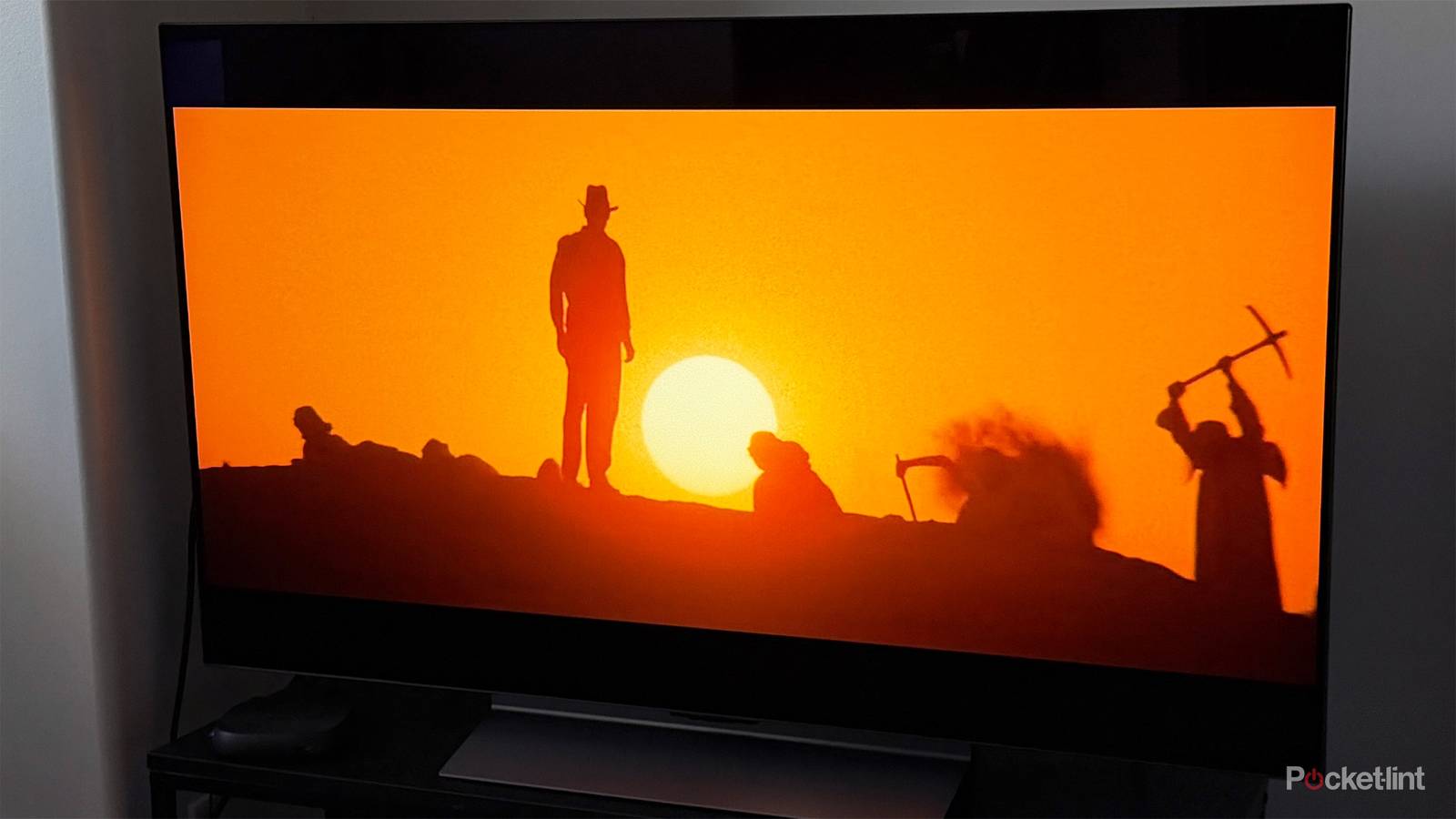
Over the past 10 years or so, HDR (High Dynamic Range) support has become a staple on many TVs, and I’ll never forget the first time I experienced it and was in awe of just how much better the colors and brightness looked when streaming, gaming, and watching 4K Blu-rays. There are a couple of HDR formats you’ll find on most smart TVs, including HDR10+ and Dolby Vision.
Dolby Vision and HDR10+ are both dynamic HDR formats that can adjust brightness, contrast, and color on a scene-by-scene basis to deliver a better, more accurate picture. The biggest difference is that Dolby Vision is developed by Dolby and requires licensing for TV makers to adopt it, whereas HDR10+ is an open, royalty-free standard developed by Samsung and other partners as an alternative to Dolby Vision.
Whether your TV supports Dolby Vision or HDR10+ depends entirely on the model. LG TVs only support Dolby Vision, while Samsung TVs only support HDR10+. Other TV brands, including Hisense, TCL, and Panasonic, offer models that support both formats.
But now, HDR10+ is about to get a major upgrade. A new HDR standard called HDR10+ Advanced is entering the arena and launching this month, and as you might be able to guess from the name, it’s a new version of HDR10+ that Samsung hopes will change the game.
What is HDR10+ Advanced?
Support is currently very limited

HDR10+ Advanced is the next generation of HDR10+, which Samsung recently announced will first become available on Prime Video this month for supported content.
The main difference between HDR10+ and HDR10+ Advanced is that the latter supports two new main capabilities: Enhanced Overall Brightness and Intelligent Motion Smoothing.
Enhanced Overall Brightness is designed to make your TV’s brightness more precise. HDR10+ currently applies a single brightness curve across the entire frame of whatever show or movie you’re watching, while HDR10+ Advanced can use local tone mapping, leveraging extended statistical metadata to define separate brightness curves for specific areas of each frame. In turn, this should provide much more accurate brightness levels throughout a scene.
On the other hand, Intelligent Motion Smoothing allows your TV to dynamically adjust motion smoothing based on what you’re watching. For example, when you’re watching a show or movie, it can keep motion smoothing turned off to avoid creating the dreaded soap opera effect, but when you switch to sports content, it knows to turn it on.
Although HDR10+ Advanced support is launching on Prime Video this month, it will initially only be available on Samsung’s 2026 TV lineup…

HDR10+ Advanced also includes other enhancements, such as Genre-based Optimization, which allows your TV to automatically adjust its picture settings based on what you’re watching, whether it’s a movie, sports, or a documentary, by dynamically adjusting the tone mapping, color, and motion processing. There’s also Advanced Color Control, which allows creators to dynamically calculate color gamut data to produce even more accurate colors.
However, while HDR10+ Advanced is a step up from HDR10+, its availability is currently extremely limited. Although HDR10+ Advanced support is launching on Prime Video this month, it will initially only be available on Samsung’s 2026 TV lineup, which means if you have an older Samsung TV or any other TV, you’re plain out of luck. This is similar to what happened back in 2017, when Samsung and Prime Video first launched HDR10+. Over time, more new TVs from Samsung and other brands will support HDR10+ Advanced, and more streaming services will adopt it as well.
So while HDR10+ Advanced is launching now, a lot of users probably won’t be able to take advantage of it until later in 2027, as more compatible TVs become available and additional streaming services add support.
It’s worth noting that Dolby has an answer to HDR10+ Advanced, and that is Dolby Vision 2, which is expected to roll out by the end of the year.

- Brand
-
Samsung
- Dimensions
-
42, 48, 55, 65, 77, or 83 inches
- Operating System
-
TizenOS


