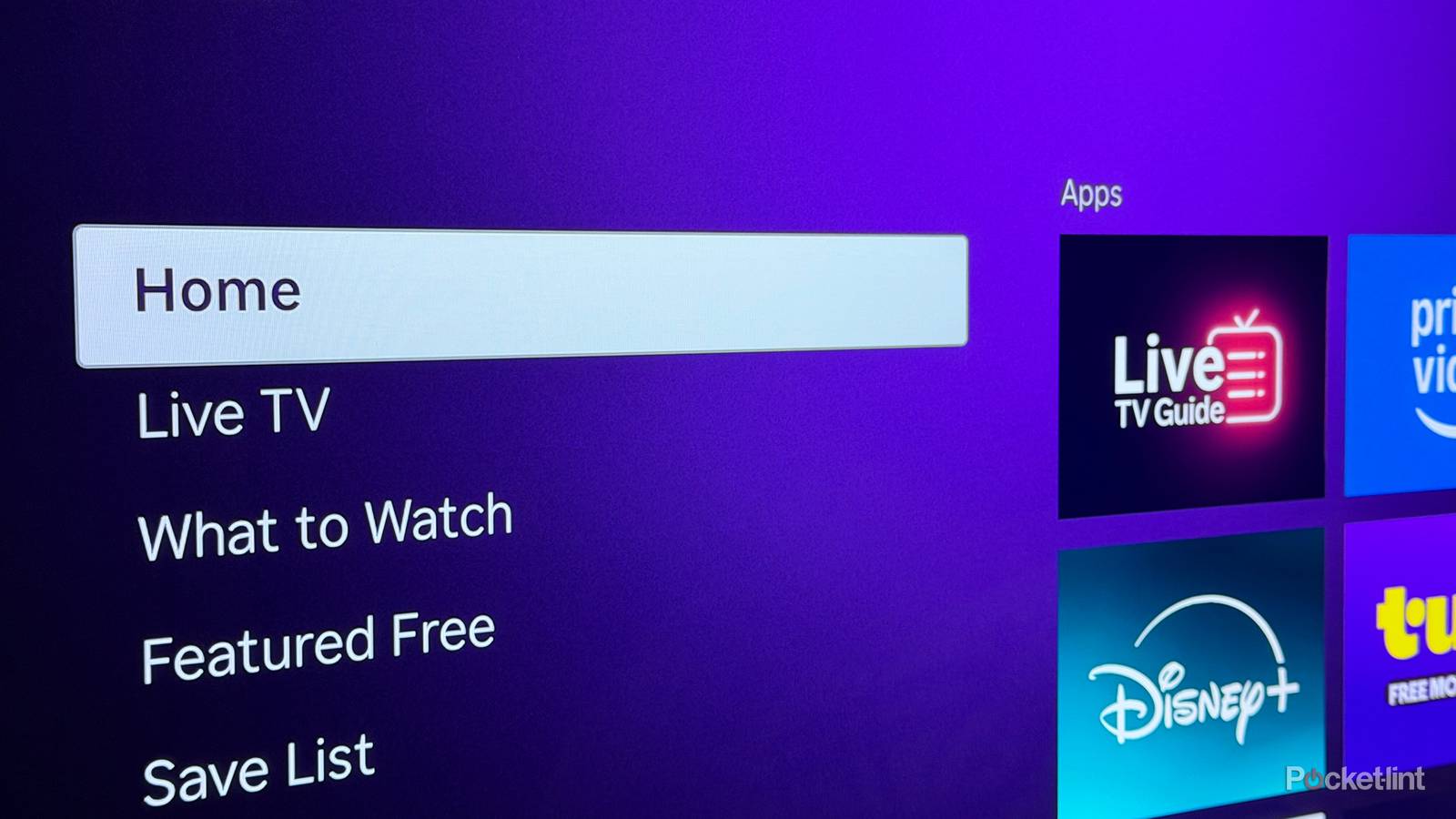
Roku’s platform is firmly entrenched in the smart TV market, at least here in North America. There are alternatives — namely Google TV, Samsung’s Tizen, and LG’s webOS — but there’s a strong chance you’ll end up with Roku OS if you buy a TV in the budget or mid-tier segments. And really, there’s not much to complain about after you’ve disabled ACR.
To keep a Roku TV running as long as possible, most of the strategies you’d use for other brands apply just as well. There are some unique software tricks I’ll cover towards the end of this piece, but those hardly matter if you skip everything else.
Extreme brightness and runtimes
Dial everything back a bit

I understand the temptation to crank brightness up high. As long as it doesn’t blind you or turn shadows gray, it’s the easiest way of making images feel more vibrant. Often, peak brightness specs are what drive up the cost of the most expensive TVs.
High brightness creates a lot of waste heat however, accelerating wear on components. With LCDs (including mini-LEDs), this increases the likelihood of backlight failure, their main killer. On OLED TVs, you’re increasing the risk of image retention, and related long-term factors like color tint. Modern OLEDs do use a variety of technologies to mitigate burn-in, such as pixel shifting, but those can only do so much to counter bad habits.
While it’s best to avoid your TV’s auto-brightness and energy-saving modes, brightness should typically be limited to 80% or less. No matter what settings you have, avoid leaving your TV on in the background unwatched. Think of it like a running routine — you can exhaust yourself just as thoroughly from a slow 5K run as you can a 200m sprint.
Poor airflow and other environmental conditions
Maybe don’t put a TV in your sunroom

With heat established as the biggest concern, you can see why airflow is essential. Your TV should be fine as long as it’s within a temperature range of 32 to 95 (0 to 35C). That’s not too tough to achieve as long as nothing’s trapping hot air — allow some space away from the wall, and don’t block vents. Make sure circulation is happening in the room as a whole. The closer you can bring your TV to about 72F or 22C, the better.
Let’s not forget moisture. Although it’s possible to make a room too dry, increasing the risk of static shock (see below), a humid one may contribute to the corrosion of components. If a room feels sticky to you, it’s probably wise to install a dehumidifier, or shut out specific sources of moisture whenever possible.
Dust and grime
It’s not just about heat, this time

I debated sticking this under the last section, but dust is inevitable, so it really deserves to be tackled separately. A little bit is nothing to panic about, to be clear. If you neglect it for a long time, though, it’s going to trap a significant amount of heat, and increase the chances of harsh static shock, although it’s dry air and friction that causes a discharge. You should be dusting your TV at least a couple of times a year, if not once a month or more.
Dust, grime, and other forms of debris can also wreak havoc with the inputs on your TV, preventing a clean signal. You don’t need to worry too much about ports, but do consider inspecting them occasionally. If cleaning is necessary, gently swipe them with soft-tipped tools that won’t leave any fibers behind. You don’t want to accidentally damage any contacts.
Unused apps and uncleared caches
Your TV doesn’t have unlimited storage

Something a lot of tech companies fail to warn us about is that their devices need a base amount of swap space to operate smoothly, over and above RAM. If you start eating into that space, the operating system has to swap more frequently to compensate, dragging down performance. Left unchecked, this makes a TV feel older than its age. You might feel the urge to upgrade before your TV’s specs are genuinely outdated.
There’s a simple solution to this one, though. To begin with, you should periodically restart your TV by going to Settings -> System -> Power and clicking System restart. This clears up temporary system caches, which are necessary, but can bog down your TV if they accumulate redundant or outdated files. Consider restarting once a week or so.
Ultimately, though, you’re going to want to keep an eye out for unused apps, and make a habit of deleting them. It’s actually difficult to overwhelm your storage, but if you’re in the habit of downloading apps on a whim, it’s not impossible.