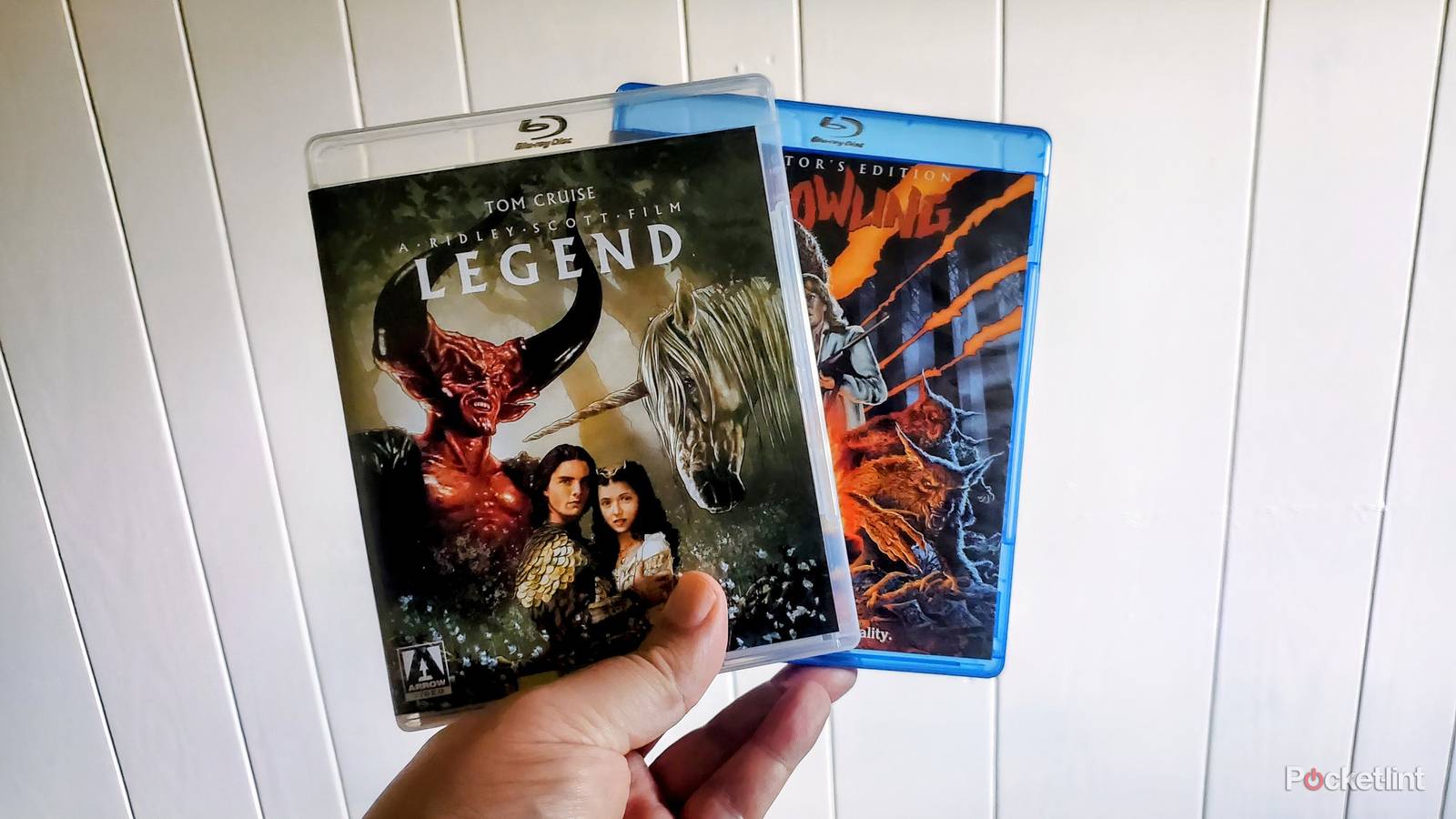
In recent years, have you ever tried to find a Blu-ray copy of a film that you thought would be widely available only to find that retailers like Amazon, Wal-Mart, Target, and others don’t have it in stock? To add salt to the wound, physical media collectors may have noticed that finding great deals on Blu-rays has become more difficult. Premium editions that include steelbooks or other arrangements have also seen inflated prices over the past decade. I should know. Trying to even track down a copy of the Prey steelbook near launch without spending triple the cost on ebay was a futile effort.
There was a time when all the movies we ever wanted to buy physically seemed to be ready to purchase at a moment’s notice. With the strength of streaming platforms flexing their market share in the entertainment media industry, buying Blu-ray discs has become less mainstream and more niche. Whether audiences are getting their media entertainment from streaming services or purchasing digital copies of their entertainment, it’s apparent that physical media has lost steam. It’s no longer easy to find any film you’d like on disc from prominent retailers.
There will always be a collector’s market

Collectors have existed, do exist, and will continue to exist. There’s also a contingent of professed cinephiles who prefer to own copies of their films and screen them natively on high-end hardware. It’s safe to say that I belong to both categories. While the physical media market has absolutely changed, that doesn’t mean it’s going to disappear in favor of a completely digital future. To the contrary, boutique Blu-ray companies are going to keep it alive and well. Such labels like Arrow Video, Shout! Factory, and Criterion, just to name a few, are offering collectors physical packages that not only include a copy of the movie, but steelbooks, reversible artwork, embossed slipcases, booklets, inserts, and more. It’s these details that truly delight collectors and film buffs.
There was a brief moment years ago, when it felt like physical music media would vanish with the popularity of services like Spotify. After all, most music is easily driven by our phones. All it takes is one bluetooth connection, and we’re playing our favorites on a whim in our cars, on wireless speakers, or through our smart home channels. But vinyl still inched its way back into the zeitgeist. Truthfully, vinyl never went anywhere. It only receded into the background for a time while new technology flourished. But now, music fans and collectors can’t get enough of it. Nearly two decades ago, it’d be surreal to walk into a Walmart or Target and find an extensive shelf of vinyl records for sale. The proof is in the pudding. Physical media will always have a place so long as a collector’s market remains.
Scarcity is the business model now
Limited editions are boutique Blu-ray companies’ bread and butter

Pressing Blu-ray discs may not be the massive onslaught that it used to be. With the medium’s co-creater, Sony, abandoning these discs on the video game front, it makes sense that the overall volume of Blu-ray discs on the market will continue to shrink for a time. In a collector’s market, scarcity is valuable. Boutique labels offer limited runs of printed discs for specific movies that ultimately result in a “place and time” model.
Like vinyl, Blu-ray will corner its own market among film buffs and collectors. Limited editions will inevitably be a product of both artifical and structural scarcity. Boutique publishers undoubtedly want their products to be highly marketable and sought after. However, license expiration can also create a bit of structural scarcity as these producers must acquire the rights to produce the films that they believe are the most marketable.
So, what’s the difference between vinyl and Blu-ray?
Blu-ray’s trajectory doesn’t completely mirror the history of vinyl

Heading into the future, Blu-ray does largely seem to be traveling down the path of vinyl in many ways. But at this moment, vinyl and Blu-ray are not a one-to-one comparison. For starters, turntables and record players have been experiencing a growth market in recent years in terms of accessibility. I can walk into Walmart or Target right now, and buy a record player where that wasn’t the case years ago. Conversely, Blu-ray and 4K disc drives are disappearing from machines. They haven’t been standard in PCs for quite some time. And now they’re beginning to disappear from game consoles. Additionally, vinyl has the added benefit of mega-popular chart-topping artists like Taylor Swift, which causes vinyl sales to skyrocket. There’s no such comparison in the movie market at this stage.
Despite these differences, Blu-ray’s future has promise. It’s clear that a market exists, and where a market exists, there will always be businesses (even if they are boutique) ready to meet the demand. There’s a bit of dour news circulating right now concerning physical media. But the trends do point to an optimistic, if different, future for fans of the beloved physical format.