We all remember the advent of streaming services. Netflix began its business with mail-order DVD rentals being its bread and butter. However, as the internet swelled from a fun luxury into a must-have utility, Netflix shifted into a streaming model. Other media giants joined the fray and began competing for your hard-earned dollars by curating a catalog of their own IP alongside a ferocious bid for popular licenses. In the early days, streaming giants like Netflix touted “unlimited” access and an ever-expanding library of films and TV shows. It was a brave and bold new world for entertainment media.
With so much content at their fingertips, consumers have slowed their spending on actual movie titles and TV series over the years. Streaming services have even heavily impacted theater chains as distributors wheel and deal with streaming services or offer up their own new movie releases on their own platforms shortly after a movie hits theaters. This, in turn, encourages casual viewers to save money and wait for the latest and greatest to join the lineup of any major streaming platform. There’s no question that streaming monumentally shifted the entertainment media landscape two decades ago, and we’re still feeling the aftershocks to this day.
Streaming libraries are simply not permanent collections
Movies and shows can disappear overnight

Despite the earliest sales pitch from media giants like Netflix of unlimited access and expanding catalogs, things aren’t what they might have seemed. Sure, Netflix never promised that specific movies or shows would always be available the moment they joined the library. However, the marketing and early environment gave viewers a sense of accessible safety. After all, why purchase a $20-30 movie when there is a high probability that it will appear on one of the most popular streaming platforms you are already subscribed to?
Eventually, viewers learned that truly, nothing is forever. In the early 2010s, I can vividly remember adding movies to my list, only to gear up to watch them the next day and find that they had disappeared literally overnight. Soon, Netflix got wise and started adding “Leaving Soon” tags on movies or shows ready to disembark the service thanks to an expiring license. But it still highlights a glaring flaw in the streaming model. And now that there are several streaming platforms, there are more places for wandering licenses to go.
Obtaining a license is rarely a permanent bid. In fact, they usually always come with a “window” in which the platform can use the IP they’re licensing. This allows the original owners to retain control of the property. Therefore, streaming service collections are hardly “growing” as movies and TV series exit the services at the same time, new IP arrives in this revolving door model of licensed properties.
Buying digital means that you choose when to watch what you want
Digital purchases aren’t bound by the licensing windows on streaming platforms

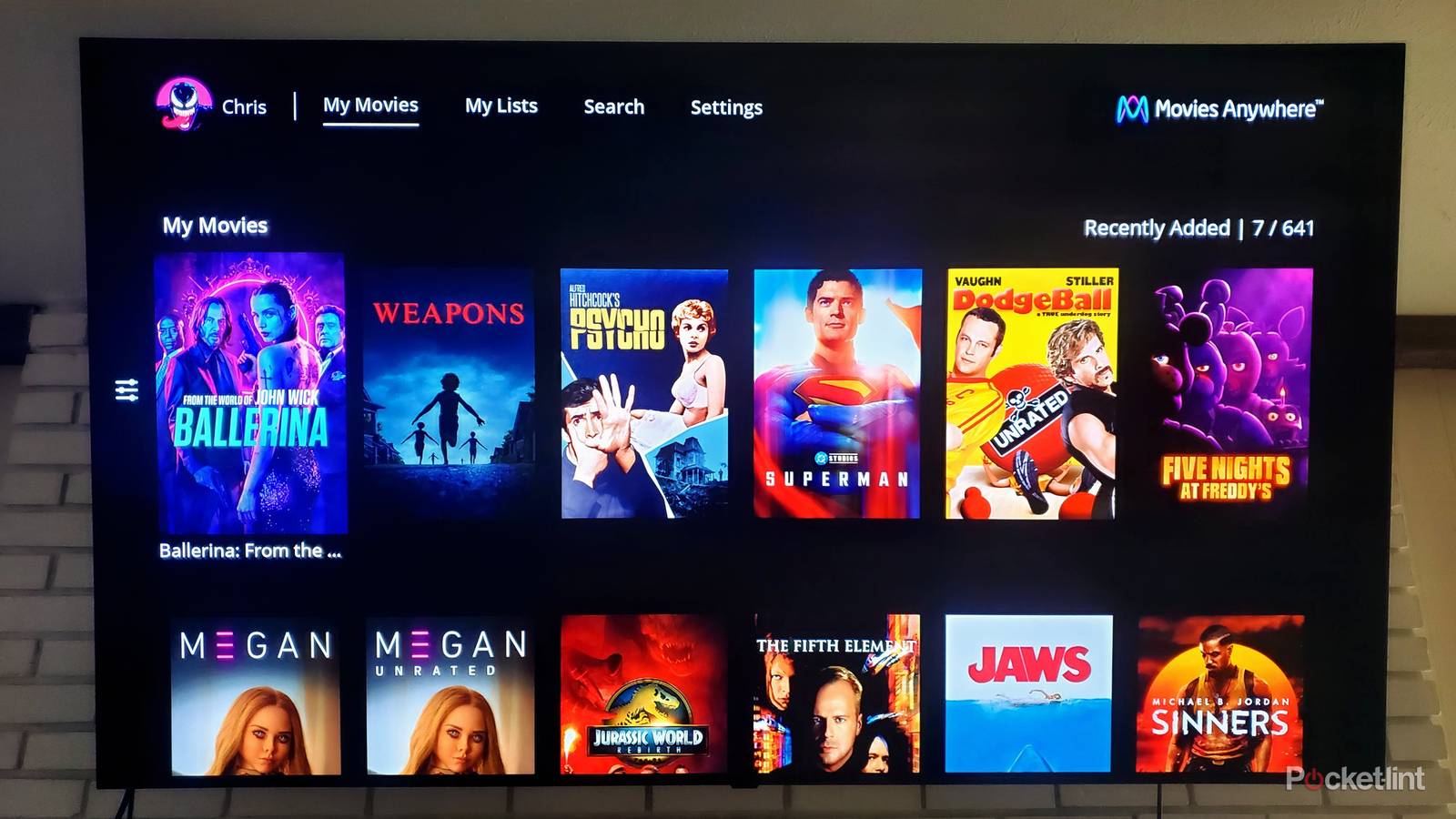
The digital era has already fueled the debate over true ownership in respect to physical media. Buying anything digitally is simply buying a license, not the product itself. Even still, purchasing a digital movie or TV show, at the very least, doesn’t keep your access bound by the license windows of the same media on other streaming services. You’re acquiring an indefinite license when you purchase from Fandango, Apple, or Movies Anywhere. Can that license be revoked at any time? Sure. But will it actually be revoked? Not likely. These platforms want you to build a library with them. That is how they cultivate their customer base. Therefore, you can be sure that Fandango, Apple, or any other platform will fight to retain licensing agreements in place to build customer trust. Distributors will also likely never have a reason to revoke a license from one of these services unless a legal issue arises.
Therefore, it’s safe to say that when you acquire a movie digitally, it will be available indefinitely on the platform you’ve selected, provided that platform or service never shuts down and disappears. If you want to secure your purchases even further, buy the physical copies of your favorite movies that come with a digital code. That’s what I’ve done and have created a library of 1,000+ films on Fandango (previously Vudu) from doing so over the past several years. That way, if Independence Day leaves Hulu before the next Fourth of July, it won’t be an issue for me. I can access this incredible sci-fi blockbuster in my library.
What about affordability?
Digital services that sell movies and shows often have excellent sales

Streaming speaks to audiences simply because of its affordability and access to a large amount of content for a simple monthly price. Building your own digital library will come at a cost. But there are many ways to mitigate that issue and keep your own personal costs low. For starters, I do find value in buying physical discs that come with digital copies. You’re essentially paying one price for two different copies of the film: physical and digital. Also, platforms like Movies Anywhere and Fandango often have excellent sales. Movies and movie bundles are frequently marked down significantly. Once, I acquired the entire Friday the 13th catalog of movies for just $29.99 during a Halloween season sale. That was 12 movies for just $30 bucks.
With that said, I’m not advocating for you to abandon streaming services. Streaming services absolutely still have a place and are perfect for discovery when it comes to new movies and TV series. I simply believe there is far more value in maintaining your own digital library of your favorite movies and TV shows that you know you’ll want to return to so that you never have to struggle with the displacement of your favorite media because of expiring license agreements.