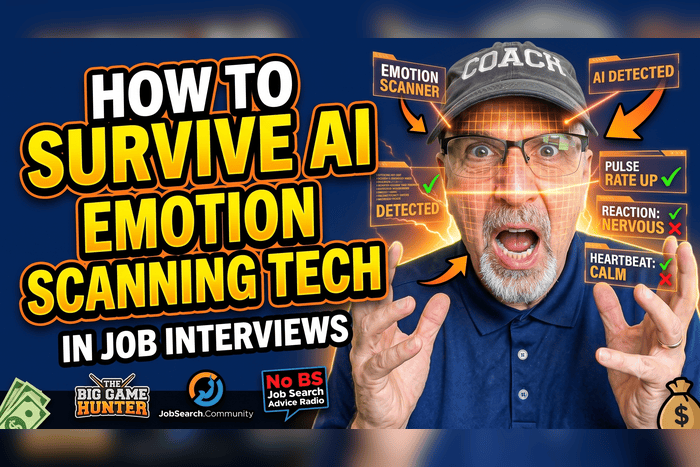
You check your lighting, straighten your shirt, and take a deep breath. Staring into the lens, waiting for the meeting to start, you assume the only thing standing between you and the job is a good conversation. But on the other side of that screen, a human isn’t the only one watching. A multimodal emotion AI platform is actively scanning your video feed, tracking the exact physical reactions you are trying to suppress.
This is a massive operation. Multinational corporations, including giants like Unilever, deploy these automated screening tools to process tens of thousands of video interviews and save thousands of hours of human recruiting time.
The software vendors make a compelling pitch. They claim their algorithms strip away human bias, scoring applicants on objective biological data to calculate who will succeed in the role. Psychologists are aggressively pushing back against that premise. Leading emotion researchers argue this technology relies on outdated science, erecting an invisible, highly subjective barrier to employment based on flawed assumptions about human behavior.
The remote job interview has effectively morphed into an automated, multi-layered machine interrogation designed to decode your biology.
The first layer of this interrogation is entirely visual. The AI system scans your video feed frame by frame, hunting for micro-expressions—involuntary twitches that flash across your face in less than half a second. This visual scan relies on a framework called Facial Action Units. It’s a coding system developed in the 1970s by American psychologist Paul Ekman, designed to catalog specific human facial movements. This animated wireframe uses those action units to map your facial geometry in real time. If the corners of your mouth dip momentarily, the software registers a micro-frown and logs it as a specific emotional reaction, even if you immediately force a smile.
Then comes the audio layer. The system strips away the words you are saying to isolate and analyze the raw acoustic sound of your voice: your pitch, your tone, and exactly how long you pause before answering. By analyzing these acoustic frequencies, the machine searches for friction in your speech. It listens for hidden vocal stress, emotional fatigue, or hesitation that you might be trying to mask.
Tracking physical twitches and vocal pitch only provides raw data points. Without understanding the actual words being spoken, the machine has no context for why a candidate paused or why their expression changed. To solve this, the latest generation of recruitment software deploys generative AI to act as the platform’s central reasoning engine.
This diagram illustrates a process called semantic fusion. The GenAI engine takes all the raw numerical data about your facial muscles and vocal pitch and generates written natural language descriptions of your physical behavior. A large language model then takes that behavioral profile and compares it directly against the spoken transcript of your interview, checking to see if your physical body language aligns with your answers. It is explicitly hunting for a phenomenon known as surface acting. This happens when a candidate verbally expresses high confidence or excitement, but their physical data betrays hidden frustration or anxiety. Generative AI actively judges your psychological authenticity based on these physical contradictions.
The critical vulnerability in this automated logic is that artificial intelligence lacks empathy and contextual awareness. A machine cannot distinguish between a candidate experiencing genuine emotional sadness and one who simply has screen fatigue from staring at a webcam all day.
Relying on a standardized set of facial expressions also introduces cultural bias. People from different cultural backgrounds express emotions in vastly different ways, meaning the algorithm routinely penalizes those who deviate from its rigid baseline.
These flaws have fractured the assessment industry. Some companies continue selling automated verdicts, while others have pivoted to building transparent systems that provide auditable data to human interviewers instead of making the final hiring decision.
Governments are stepping in to halt the practice entirely. The European Union passed sweeping 2026 legislation explicitly banning companies from inferring emotions or intentions from biometric data in the workplace. The global recruitment landscape is caught in a race between tech companies deploying emotion AI and regulators desperately trying to outlaw it.
The next time that recording light clicks off, your success may not hinge on your experience or your answers. You might be judged entirely on the involuntary micro-movements of your own face.
To navigate this evolving hiring landscape and take control of your career, visit jobsearch.community. There, you’ll find video courses, books, and expert coaching from Jeff Altman. If you found this breakdown helpful, please like, share, and subscribe to the channel for more insights.