


Christopher Nolan turned Greek mythology into the most expensive reunion in history. With a $250 million canvas, The Odyssey resurrected Homer’s legendary figures through breathtaking IMAX spectacle. Matt Damon led as the brave Odysseus, while Anne Hathaway, Zendaya, and Tom Holland embodied the epic’s emotional core. Even gods and monsters are grounded in practical, awe-inspiring realism rather than fantasy.
With Achilles standing among Greek mythology’s greatest heroes, and The Odyssey finally releasing many are now asking whether Christopher Nolan’s The Odyssey had room for the legendary warrior too.
Was Achilles seen in The Odyssey?
ADVERTISEMENT
Article continues below this ad
Achilles does not appear in Christopher Nolan’s The Odyssey. That answer alone has surprised countless viewers, considering the warrior towers over Greek mythology and the Trojan War. Yet Nolan never places the legendary hero on screen. Instead, the filmmaker steers Homer’s tale toward a different ghost altogether.
The confusion arrived long before audiences did. Early footage briefly showed Elliot Page standing in a bleak, otherworldly landscape. Internet speculation quickly crowned Page as the ghost of Achilles, while social media eagerly embraced the theory. It sounded convincing, but the film ultimately travels down another road.
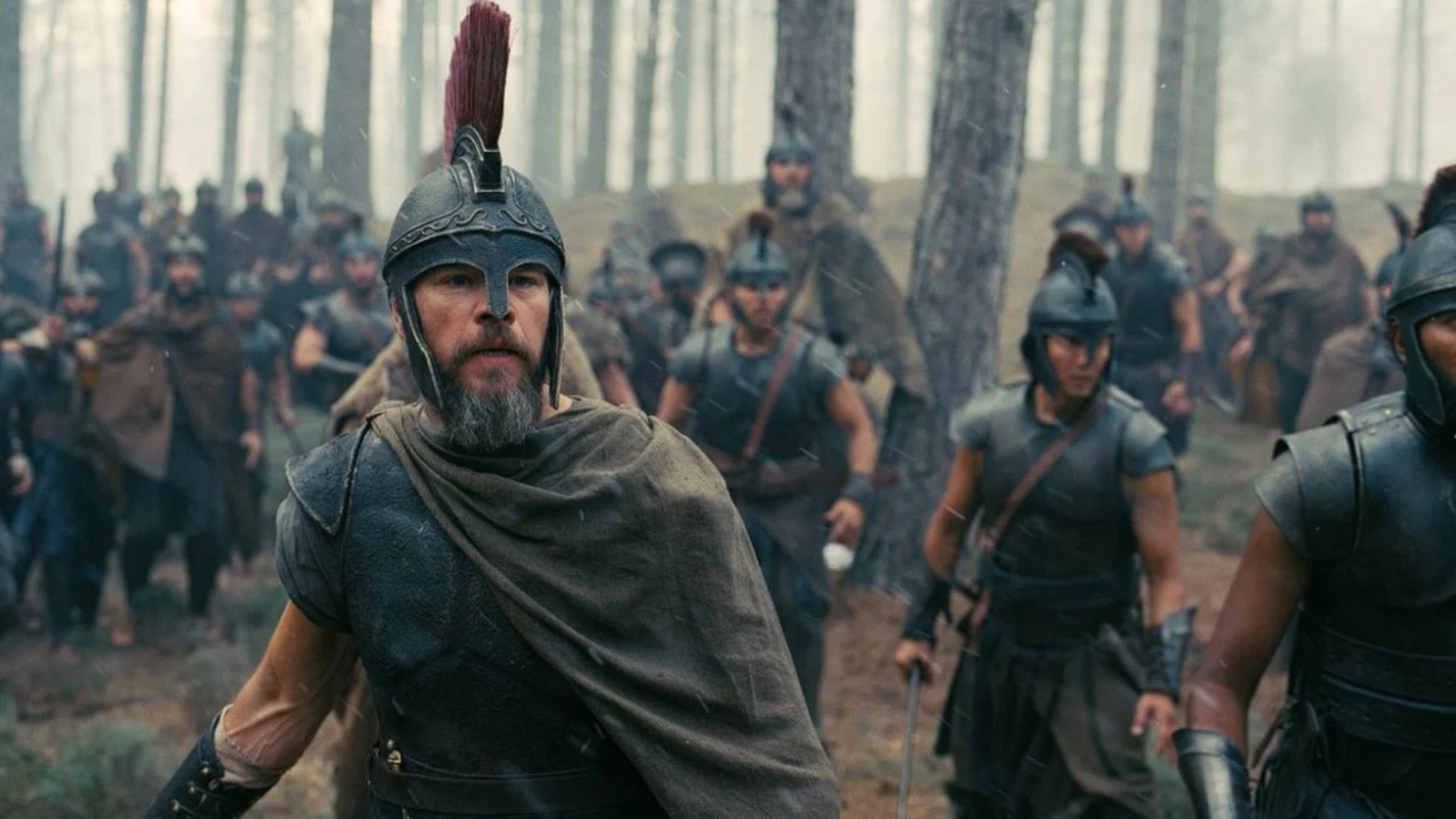
Credit: Universal Pictures
Credit: Universal Pictures
Instead, Achilles lingers as history rather than presence. Odysseus mentions the Trojan hero early in the story, and the camera pauses at his grave, where his shield and sword rest beneath the sand like relics of a war that refuses to stay buried. The film treats him as a towering legacy rather than an active participant.
Christopher Nolan significantly reshapes Homer’s epic across its 173-minute runtime. Rather than sending Matt Damon’s Odysseus to meet Achilles in the Underworld, Nolan replaces the legendary warrior with Sinon, played by Elliot Page, the actor who won Christopher Nolan’s praise and the one who was rumored to play Achilles himself. The change shifts the emotional weight away from mythic celebrity and toward the devastating human cost of Odysseus’ wartime decisions.
As fans finally get to analyze the anticipated epic, they might also notice these changes that Christopher Nolan made to Homer’s Odyssey.
Christopher Nolan’s biggest Odyssey twists
Christopher Nolan never intended The Odyssey to feel like a museum piece dusted with divine glitter. Instead, he tears apart Homer’s familiar blueprint and rebuilds it around bruised humanity. Olympian gods stop strolling through the narrative, mythical monsters shed their fairy-tale grandeur, and every impossible encounter feels startlingly tangible. The spectacle remains epic, but the emotions stay unmistakably human.
ADVERTISEMENT
Article continues below this ad
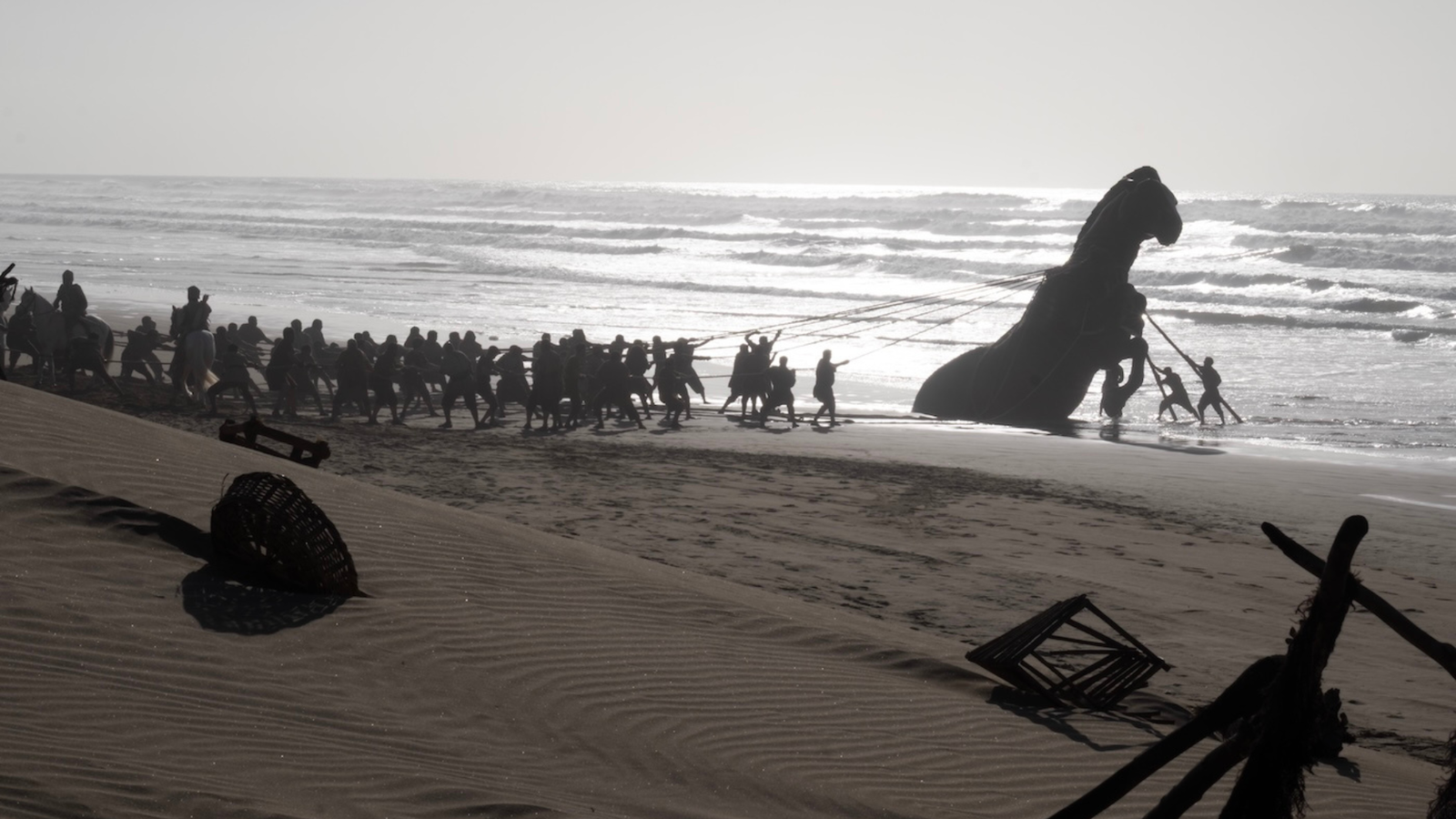
Credits: Universal Pictures
Credits: Universal Pictures
That same philosophy reshapes Odysseus as well. Matt Damon’s king is no mischievous mastermind delighting in deception, but a battle-scarred survivor haunted by war, loss, and impossible choices. Every major alteration serves Christopher Nolan’s grounded vision, making it all the more fitting that even Achilles is absent from The Odyssey.
ADVERTISEMENT
Article continues below this ad
Would you have preferred seeing Achilles in The Odyssey? Let us know in the comments!


