
The shoe industry has always been full of questionable marketing, but the language has become increasingly ridiculous. Every other shoe is apparently handmade, crafted from the finest leather in the world, sold without middlemen, and offered directly to you at a revolutionary price that traditional brands supposedly cannot compete with.
It all sounds wonderful. It is also usually missing a great deal of context.
The problem is not that every affordable shoe is bad, nor is it that every new brand is lying about everything it sells. There are some very good shoes being offered at competitive prices today, particularly from parts of the world where production costs are lower and skilled shoemaking traditions still exist.
The problem begins when perfectly respectable factory-made shoes are presented as something they are not. A good machine-made shoe does not need to pretend to be handmade. Good leather does not need to be described as the best leather in the world. And a brand does not need to invent an imaginary group of evil middlemen to justify why it sells directly to the customer.
Yet these shoe industry lies continue because the terminology works. Consumers want to believe they have uncovered a secret: a truly handmade luxury shoe, made from the world’s greatest leather and somehow selling for a fraction of the normal price.
In most cases, there is no secret. There is simply marketing.
What Does “Handmade” Actually Mean?
The word handmade should be one of the easiest terms in the world to understand. A handmade shoe is a shoe made by hand.
That does not mean that a person held the shoe while operating a machine. It does not mean that somebody brushed the finish onto the leather by hand at the end of production. And it does not mean that one or two attractive steps were filmed for Instagram while the rest of the shoe was made with industrial machinery.
Nearly every shoe involves human hands somewhere in the production process. Someone selects the leather, guides the upper through a sewing machine, operates the lasting machine, trims the sole or applies the finish. Those workers may be highly skilled, and their work should not be diminished. But operating a machine is not the same as carrying out that process by hand.
There is also nothing inherently wrong with factory production. Some of the finest ready-to-wear shoes in the world are made in factories. They are consistent, beautifully finished and made by people with decades of experience.
Calling those shoes factory-made is not an insult. Calling them handmade when they are not is simply dishonest.
I have covered the definition more extensively in my article on what a handmade shoe actually is. The point is that terminology matters. When a $300 factory-made shoe and a $3,000 handmade shoe are described with the same word, that word becomes meaningless.
Handwelted Does Not Mean Fully Handmade
This distinction has become even more important as handwelted shoes have become available from a wider range of countries and at far more accessible prices.
A handwelted shoe has its welt sewn to the insole by hand. That is a legitimate and meaningful construction detail. It generally requires more time and hand skill than machine Goodyear welting, and it can allow for a more substantial leather insole without the use of gemming.
But handwelted does not automatically mean that the entire shoe was handmade. Read here about those distinctions.
The upper may still be machine-stitched. The shoe may be machine-lasted. The outsole may be stitched with a machine. The heel and sole edges may be shaped and finished using powered equipment. There can be considerable handwork involved without the finished product being completely handmade.
This is not a criticism of handwelted shoes. I sell and recommend them because they can offer excellent construction and very good value. The point is simply that brands should describe what they actually do.
“Handwelted” is already an impressive claim when it is true. There is no need to inflate it into “fully handmade” unless the rest of the production genuinely supports that description.
The “No Middlemen” Claim
The phrase “no middlemen” might be the most overused claim in modern direct-to-consumer marketing.
A brand commissions shoes from a factory, adds its name, markets them, and sells them to the customer. It then announces that it has eliminated the middlemen.
But what exactly is the brand in that equation?
The brand may have removed a traditional wholesale distributor or department store from the chain. That can certainly reduce some costs. Selling directly to the customer can also give a brand greater control over pricing, presentation and customer service.
But the brand itself still sits between the factory and the customer. It still needs a margin because it has expenses. Marketing costs money. Photography costs money. Warehousing, staff, payment fees, returns, packaging, damaged goods, customer service and shipping all cost money.
There is nothing wrong with earning a margin. Businesses need margins to survive. The dishonest part is pretending that traditional brands are simply adding enormous amounts of profit for no reason while the new brand has somehow found a charitable way to sell shoes.
Business is business. Every sustainable company has costs, and every sustainable company needs to make money.
“No traditional retailer” may be accurate. “Factory direct” may be accurate when the factory genuinely owns and sells the brand. But “no middlemen” is often little more than a vague phrase designed to make the buyer feel that everyone else has been ripping them off.
“The Best Leather in the World”
This is the one that really gets me. There is no single best leather in the world. And the brands that claim this are usually NOT using good leather.
There are excellent tanneries. There are prestigious leather articles. There are hides that cost substantially more than others. But leather quality is not determined by one magical name stamped onto a product page.
Even within the same tannery and the same leather article, there can be variation. The area of the hide used matters. The selection and grading matter. The thickness matters. The finishing matters. Most importantly, the skill of the clicker—the person cutting the upper pieces—matters.
A brand can use leather from a famous tannery and still cut around loose, damaged or unattractive areas poorly. Another maker can use a less fashionable leather and produce a far better-looking shoe through more careful selection and clicking.
Terms such as “top-grain leather,” “premium leather” and “the finest leather” are often used because they sound impressive while telling the customer very little.
A useful description should tell you something specific: the tannery, the leather type, the article when relevant, the finish, and why that leather was chosen for the shoe.
“The best leather in the world” is not a specification. It is an advertisement. And usually a false one.
Made in Europe Does Not Automatically Mean Superior
Another common misconception is that anything made in Italy, Spain, Portugal, England, or elsewhere in Europe must automatically be high quality.
It is not true. Not anymore.
Europe produces some of the greatest shoes in the world. It also produces average shoes and poor shoes. Country of origin does not tell you how much the factory was paid, what materials were used, how much time was allowed for production or how strict the brand’s quality-control standards were.
The same applies to shoes made in Asia. A shoe made in India, China, Indonesia, or Vietnam is not automatically cheap or inferior. Not anymore. There are highly skilled makers working throughout the world, just as there are factories everywhere capable of cutting corners when that is what a buyer requests.
The location provides context, but it does not provide a complete judgment.
Look at the construction. Look at the materials. Look at the finishing. Look at whether the brand openly explains where and how the shoes are produced. Those details tell you far more than a flag printed on the product page.
Affordable Shoes Can Be Good—But Trade-Offs Still Exist
The original version of this article leaned heavily on the idea that price alone could disprove many marketing claims. The general logic still applies, but the modern market requires more nuance.
Labor costs vary enormously between countries. Some manufacturers own their facilities. Some brands operate with small teams and low overhead. Others sell primarily through preorders or made-to-order production, reducing inventory risk. These differences can allow one company to offer substantially more handwork than another at the same retail price.
Therefore, a $300 or $500 shoe should not automatically be dismissed simply because it costs less than a comparable European shoe. But price still has consequences.
A shoe cannot contain unlimited hand labor, the most expensive materials, extensive quality control, free worldwide shipping, easy returns, premium packaging, and healthy worker compensation while being sold for almost nothing. Somewhere in that equation, a compromise has been made.
That compromise may be perfectly sensible. Perhaps the shoe uses a machine-stitched sole. Perhaps the leather is good, but not the most expensive available. Perhaps production takes place where labor costs are lower. Perhaps the brand accepts a smaller margin because it has fewer employees.
Those are all legitimate business choices. The issue is when the brand insists that there were no compromises at all, or lies about it, i.e. European brands having their uppers sewn in India yet claiming 100% European-made.
Free Shipping Is Not Free
The same logic applies to free shipping.
International shipping costs real money. Duties, packaging, insurance, replacements and returns cost money. When shipping is advertised as free, the cost has either been included in the product price, absorbed within the company’s margin or subsidized as a customer-acquisition expense.
That does not make free shipping deceptive. It is a normal and useful retail strategy.
But it is not magic.
Consumers should understand that every benefit offered by a business is paid for somewhere. There is no invisible courier delivering shoes around the world out of kindness.
Ask Better Questions
Rather than being impressed by grand claims, customers should ask brands for specific information. It baffles me, especially in the US, how some brands make great advertising with grand claims, produce garbage footwear, and so many consumers are absolutely tricked by the clever marketing, believing all of the claims.
What parts of the shoe are actually completed by hand? Is the shoe Goodyear welted, Blake stitched, handwelted or cemented? Is the company operating its own factory or ordering from an independent manufacturer? Which tannery produced the leather? Is the outsole machine-stitched or hand-stitched? Where is the shoe made, and what does the brand mean when it uses words such as handmade or artisan?
A transparent company should be able to answer these questions without turning the response into another marketing speech.
Not every production detail needs to be publicly documented, and consumers do not need to become shoemakers before purchasing a pair of shoes. But the more extravagant the claim, the more evidence the brand should be prepared to provide.
The Truth Is Usually Good Enough
The irony is that many of the shoes being marketed dishonestly are usually the bad ones. Good shoe brands don’t need to scream their claims and shove them in your face. Their reputation precedes them through the good quality that you see and feel, and that is talked about online by actual wearers.
But modern marketing often refuses to allow a product to simply be good. It must be revolutionary. It must disrupt the industry. It must use the finest materials known to mankind. It must eliminate every middleman and deliver an heirloom-quality handmade shoe for the price of a mass-market sneaker. That is why I cannot stand ‘traditional marketing.’ It is often fraught with lies.
That constant exaggeration damages the entire industry. It confuses consumers, devalues legitimate craftsmanship, and creates expectations that honest brands cannot possibly meet.
A factory-made shoe can be excellent. A handwelted shoe can offer tremendous value. A machine-made shoe can be more attractive and better executed than a poorly made handmade one.
Quality is quality.
But handmade should mean handmade. Handwelted should mean handwelted. Direct-to-consumer should mean direct-to-consumer. And good leather should be described accurately rather than elevated into some mythical material that no other brand can access.
The truth is usually interesting enough. Brands should try using it.
—Justin FitzPatrick, The Shoe Snob
Shop · Marketplace · Patreon
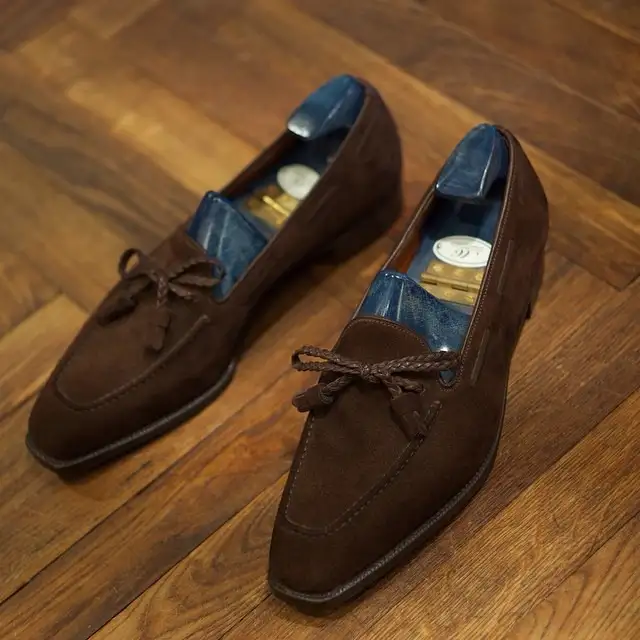
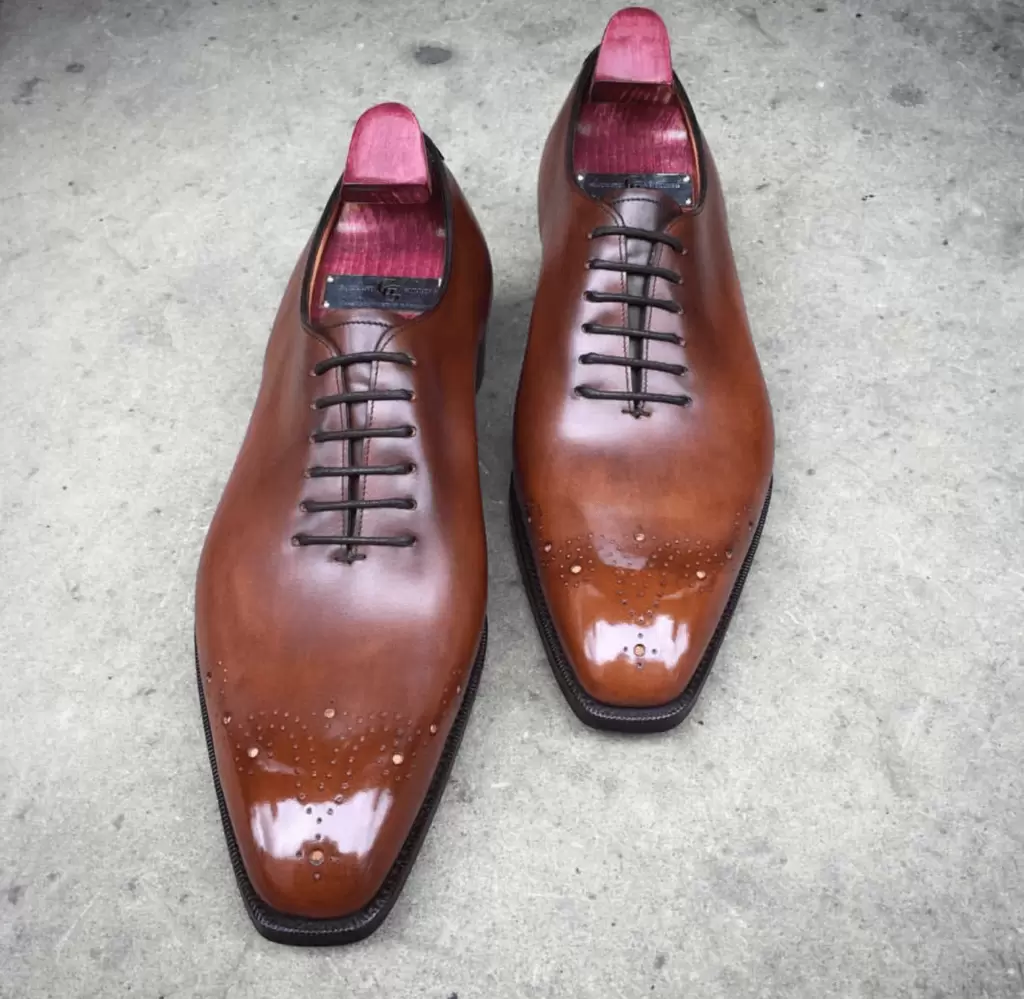
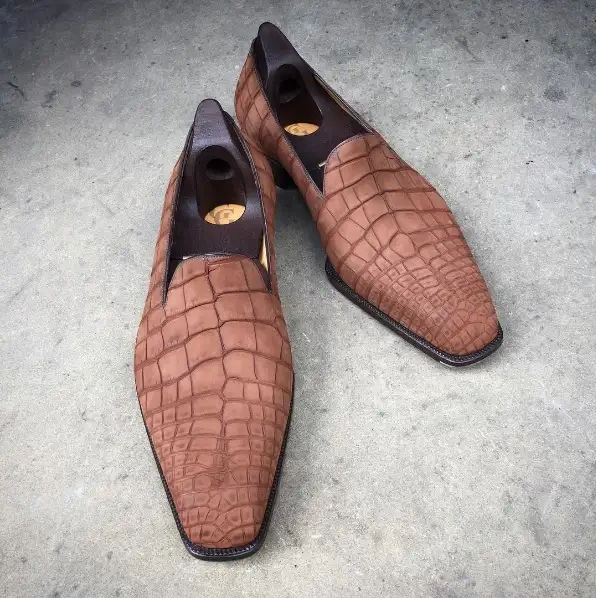
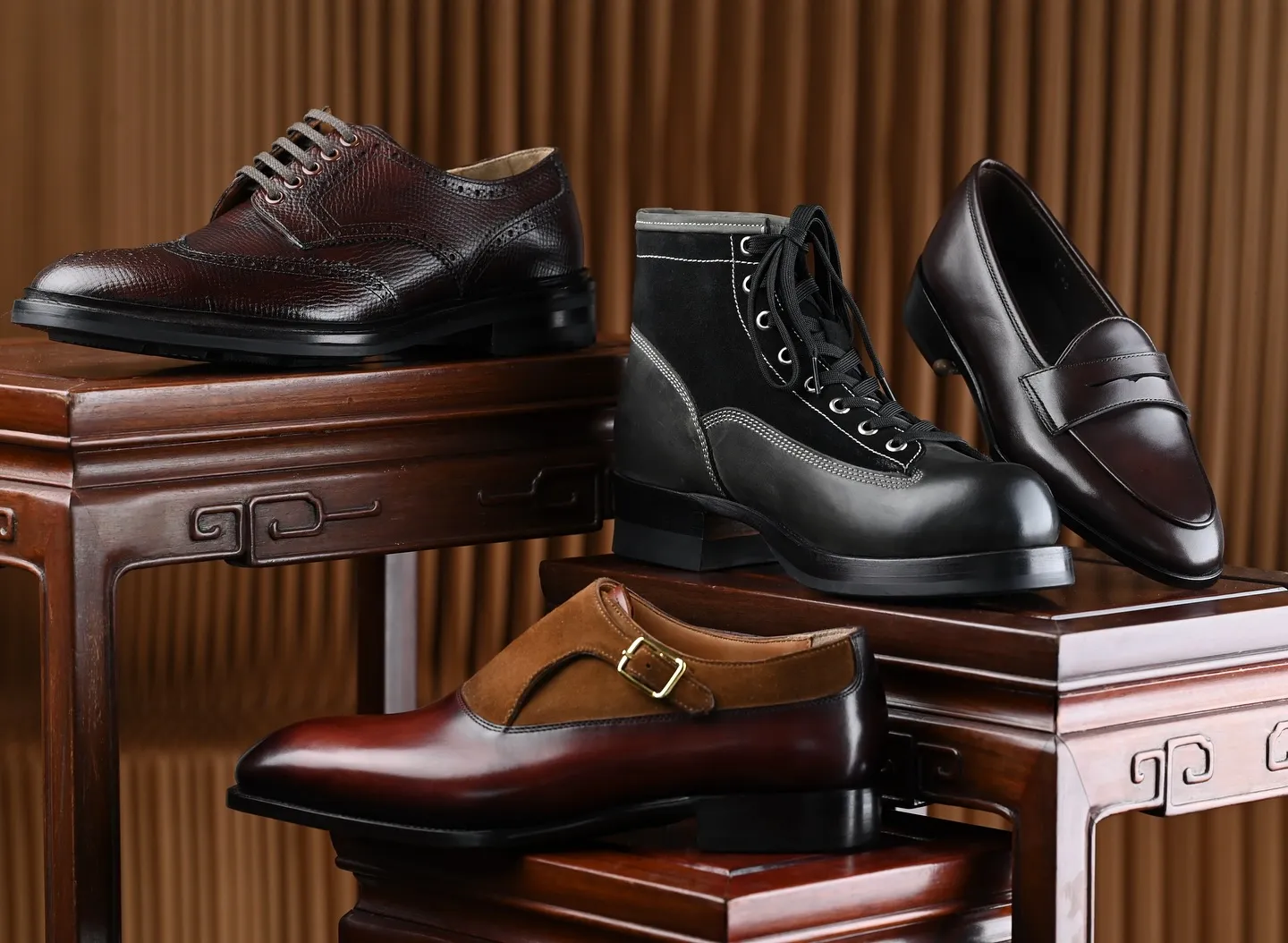
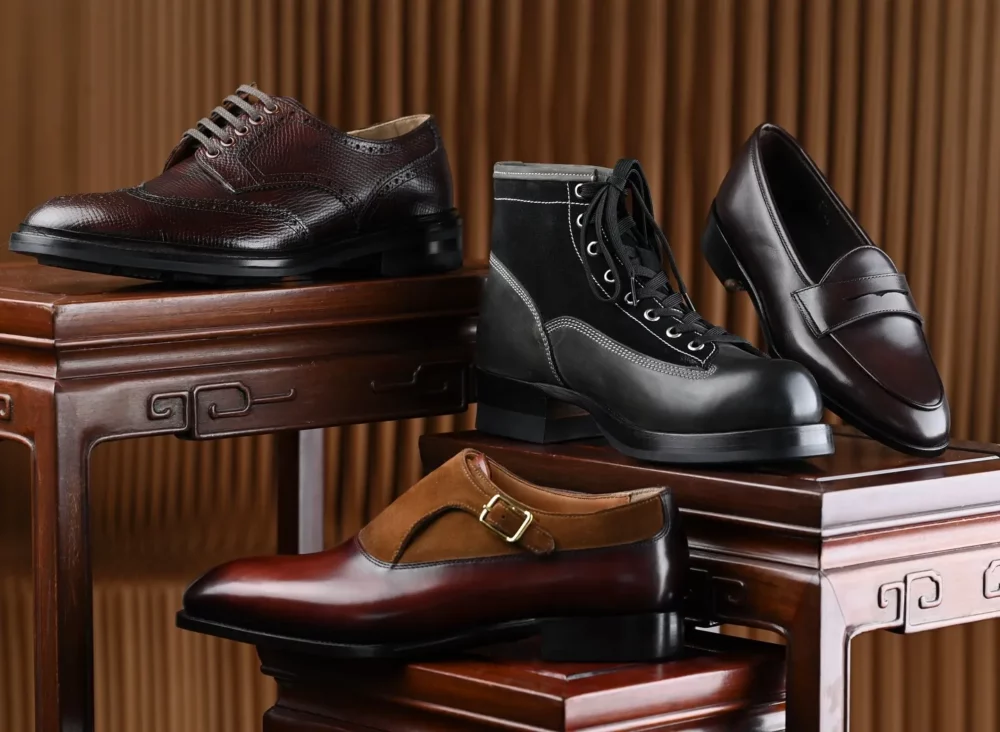
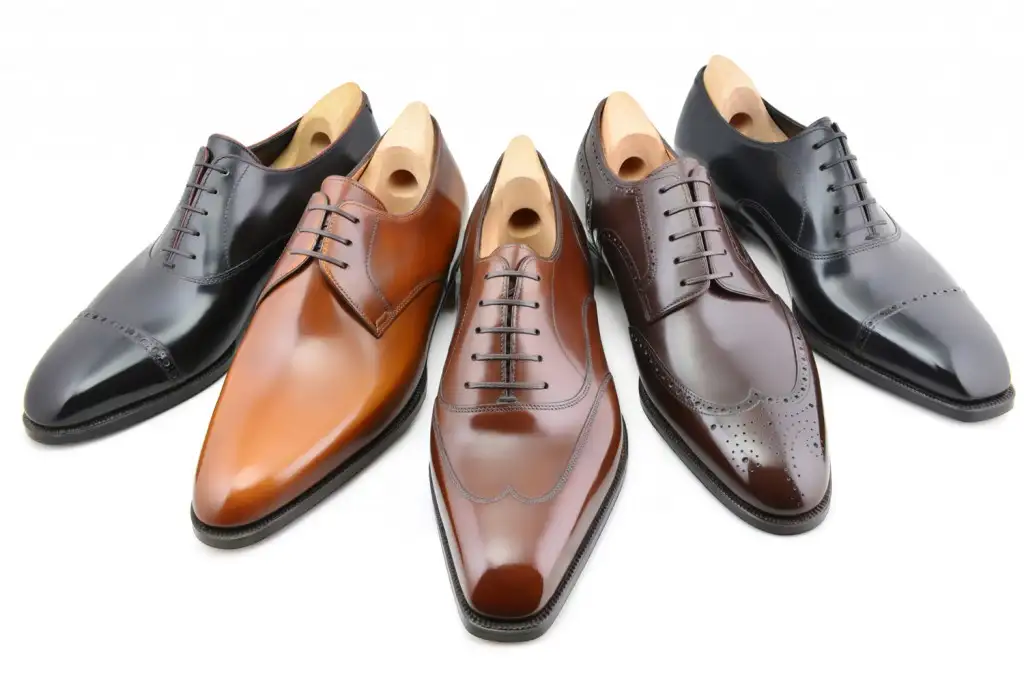
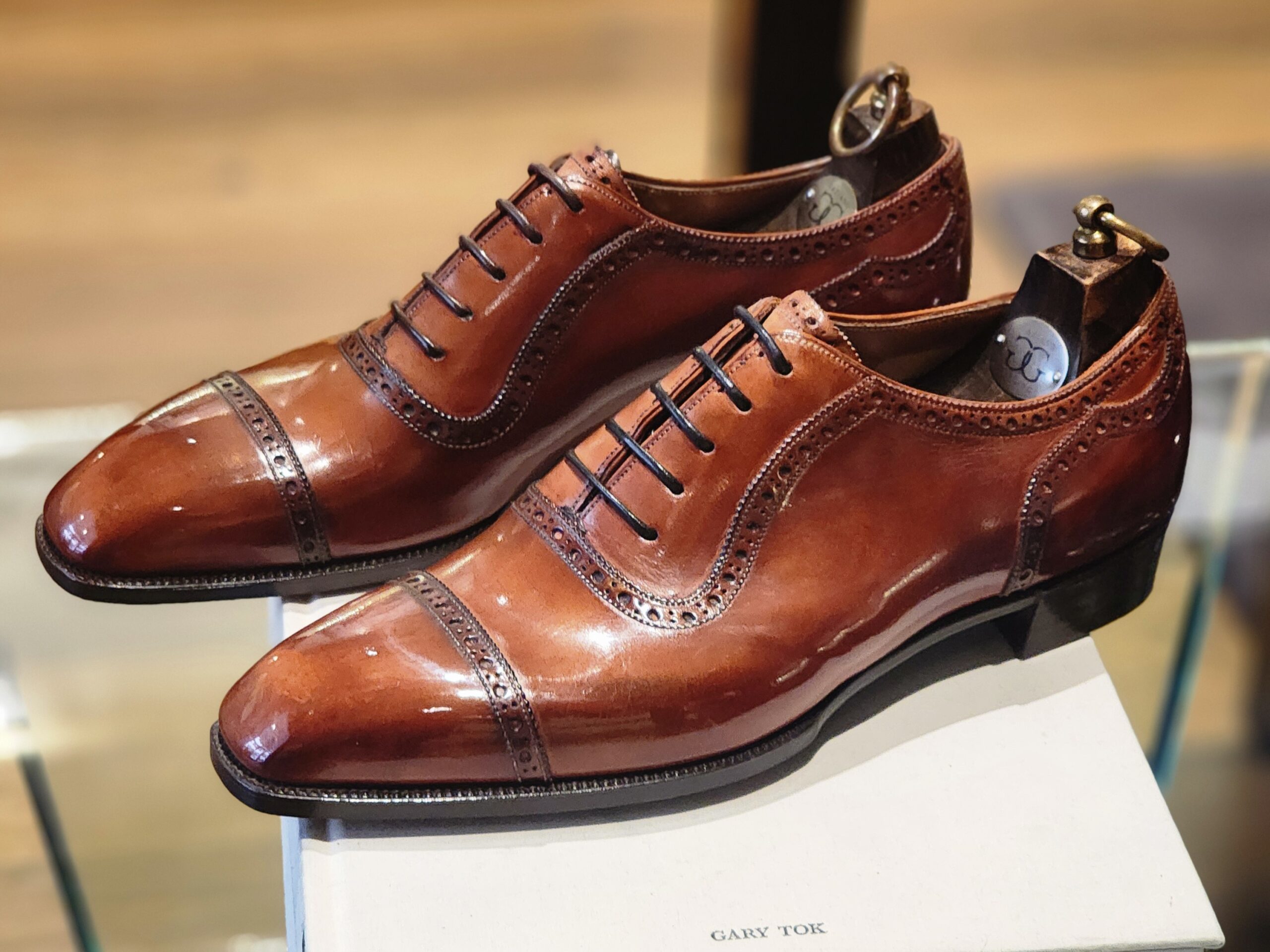
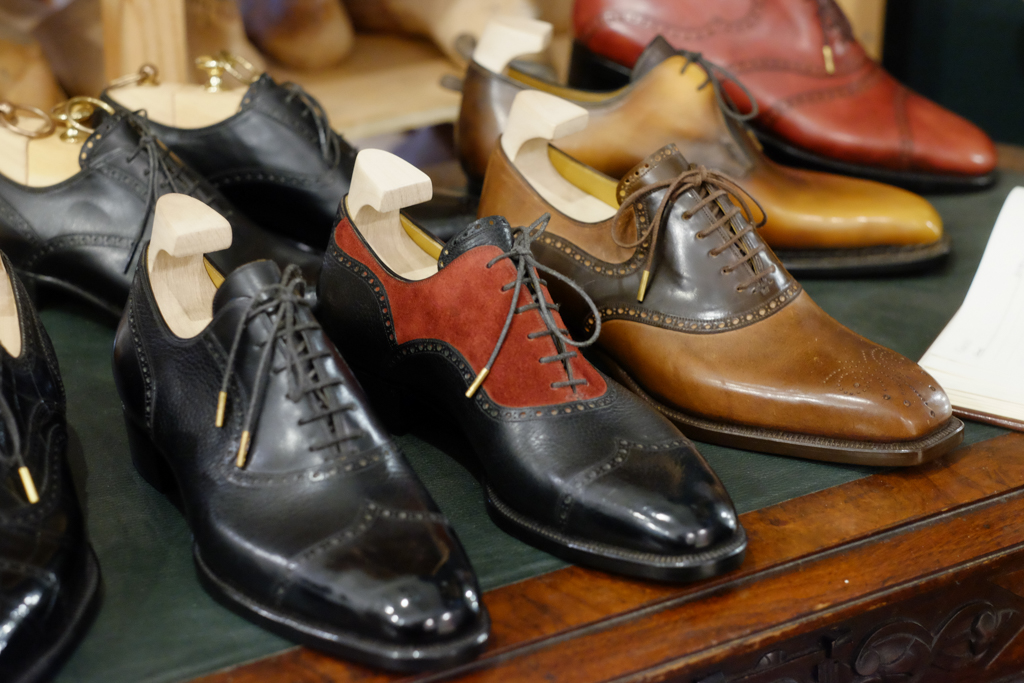
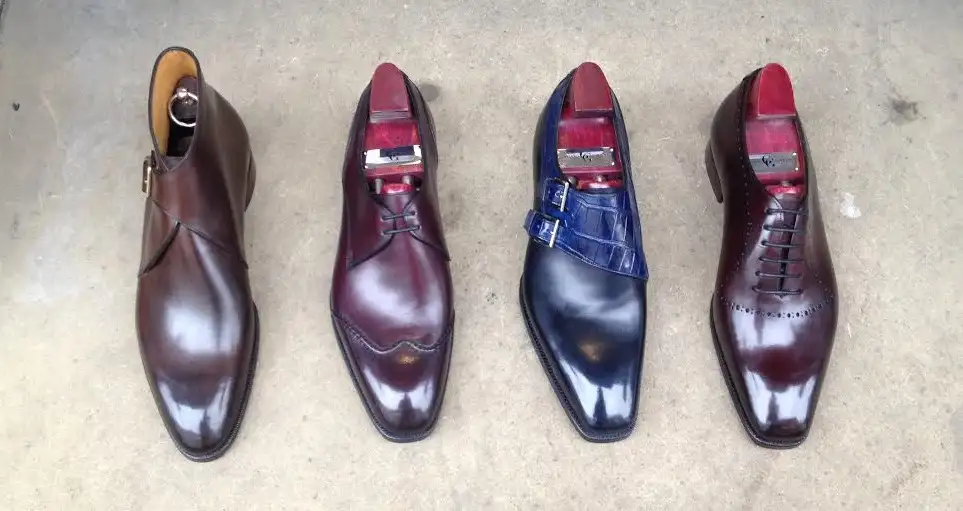
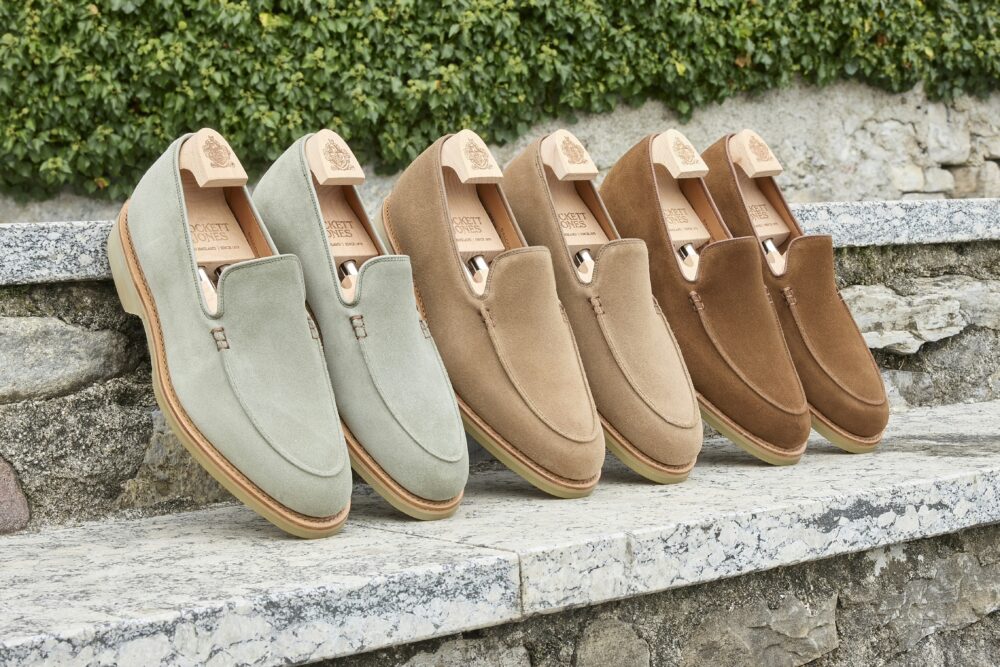
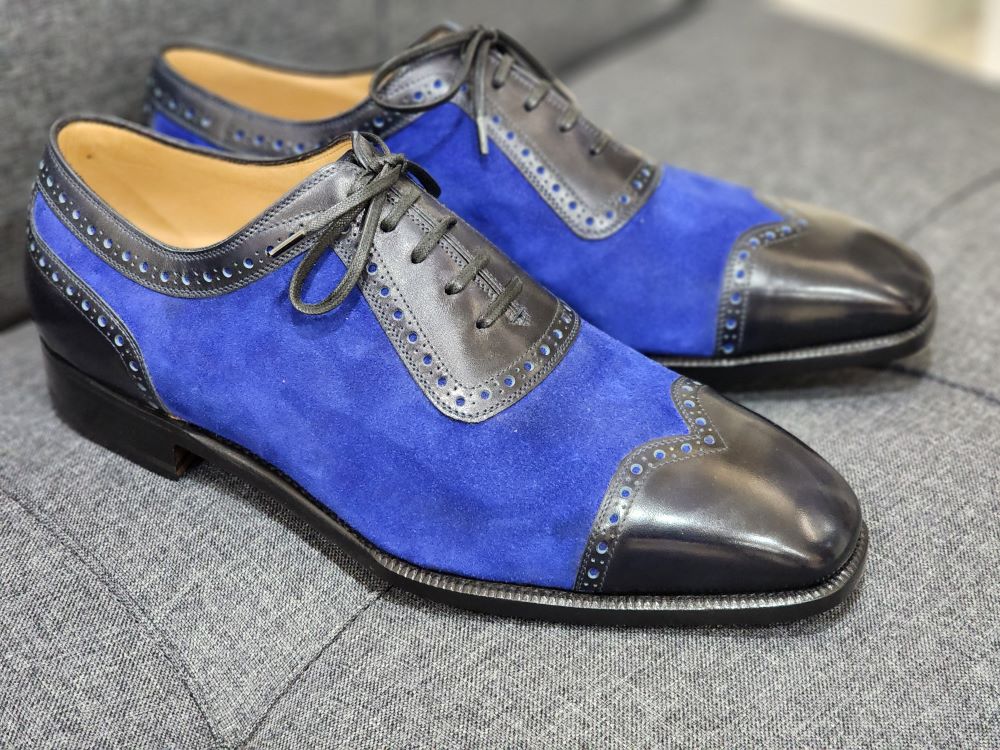
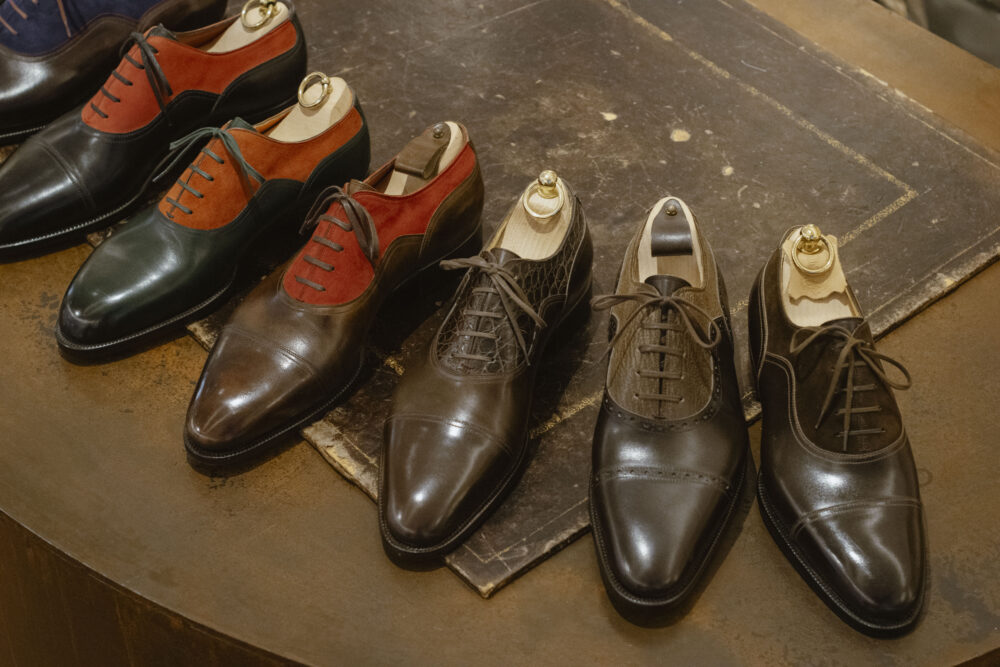
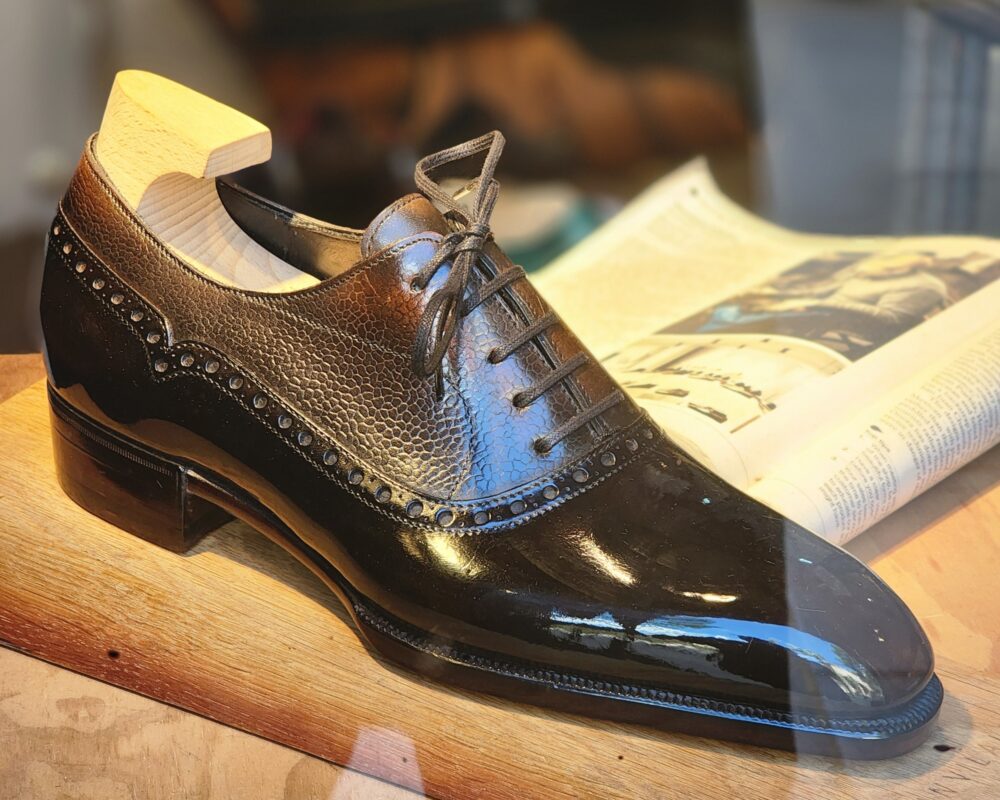
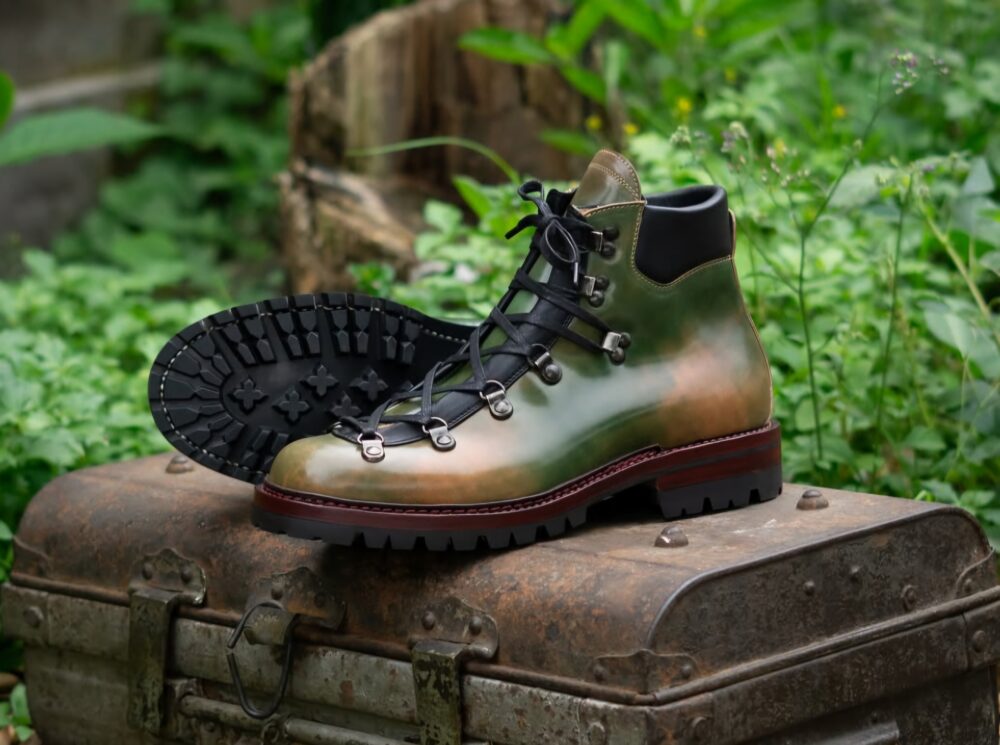
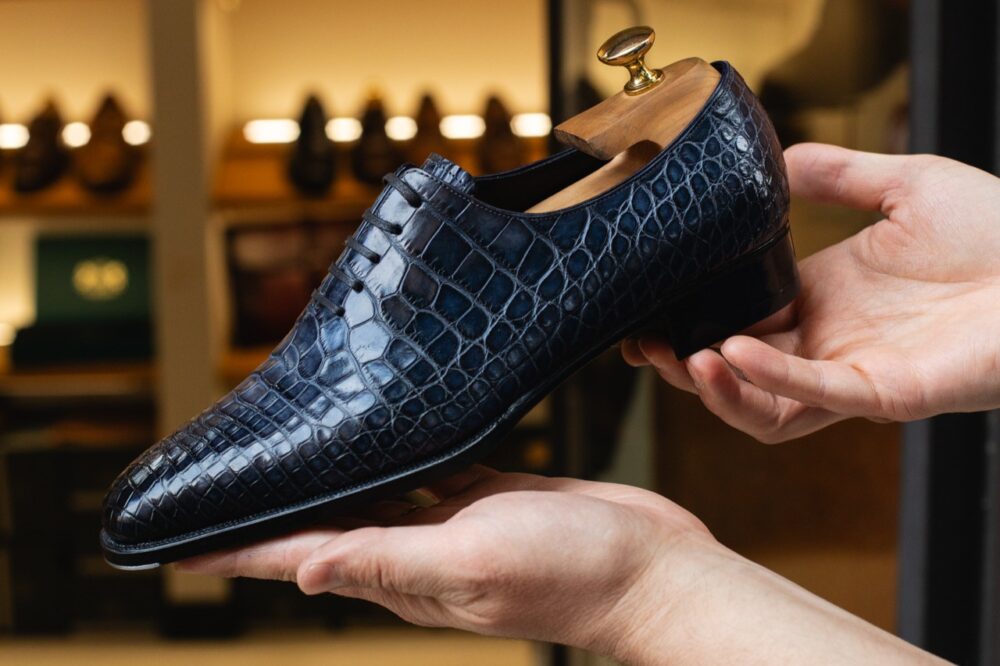
***The shoes shown in the post photos are not the brands I am referencing. These are simply eye candy to show you what proper shoes look like!***