Nearly 150 million people shared in the “moon joy” of Artemis II on NASA channels, setting a new agency record in the process.
NASA numbers indicate that 149.4 million people used agency platforms in March and April to follow the four astronauts of Artemis II as they prepped for their mission, lifted off aboard the Space Launch System rocket, flew by the moon and finally splashed down in the Pacific Ocean. The viewership figure includes the mission’s 24/7 livestreams of mission activities and views from the Orion spacecraft.
“Artemis II’s human‑spaceflight narrative, real‑time crew updates, and highly visual moments drew millions of new followers across platforms,” the agency stated of the historic lunar flyby mission, which ran from April 1 to April 10.
On board were NASA astronauts Reid Wiseman, Victor Glover and Christina Koch as well as Canadian Space Agency astronaut Jeremy Hansen. The quartet flew farther than any human before them while making the first journey to the moon since Apollo 17‘s landing in 1972.
Glover, Koch and Hansen became the first Black person, woman and non-American, respectively, to fly beyond low Earth orbit, and the crew engaged repeatedly in live events with politicians, journalists, students and other audiences from afar.
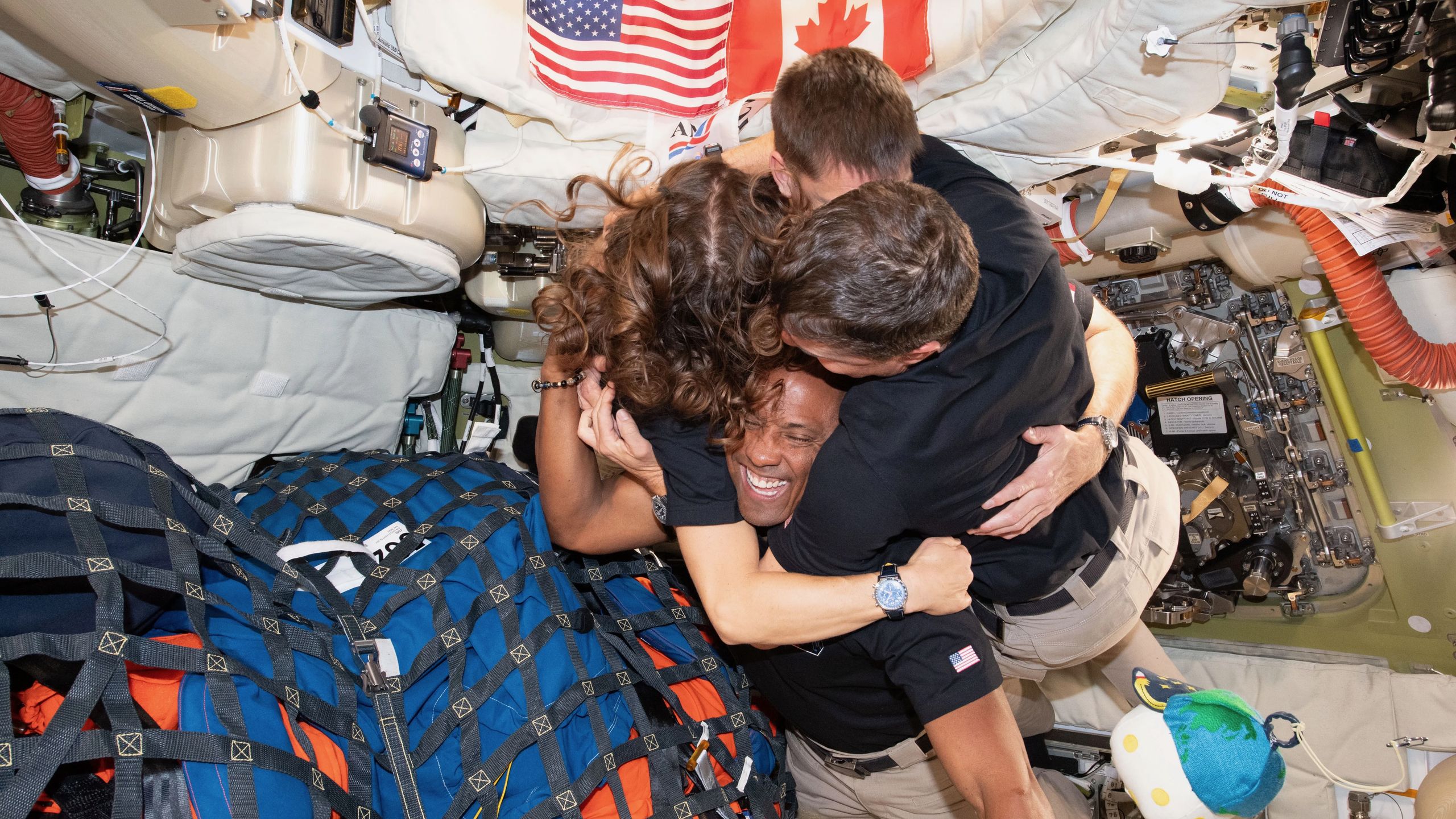
The live broadcast drew praise on social media for showing the work of the astronauts, including struggles with toilet venting, the crew’s descriptions of the lunar surface and a moving group hug when the crew suggested naming a lunar crater after Wiseman’s late wife, Carroll.
Launch (April 1)
NASA’s official Artemis II launch webcast reached a peak of nearly 3.67 million simultaneous viewers. That’s a record, surpassing other big launches in recent agency history, NASA stated, including that of the uncrewed Artemis I mission to lunar orbit in November 2022 or the James Webb Space Telescope in December 2021. (The agency did not disclose in the release how many views each event received.)
Roughly 16.6 million people watched the Artemis II launch live across agency platforms, with that number rising to 23.9 million views when taking into account those who tuned in after the fact. NASA’s Spanish-language broadcast alone received a “landmark peak” of 458,366 simultaneous views, which has since risen to 2.8 million total views, according to the agency.
Lunar flyby (April 6)
NASA’s lunar flyby broadcast alone “delivered one of the largest peak audiences ever recorded,” according to the agency. As many as 1,471,069 people tuned in at the same time. Nearly 900,000 of those folks watched on YouTube, and about 190,000 viewers tuned in via X or Twitch.
Splashdown (April 10)
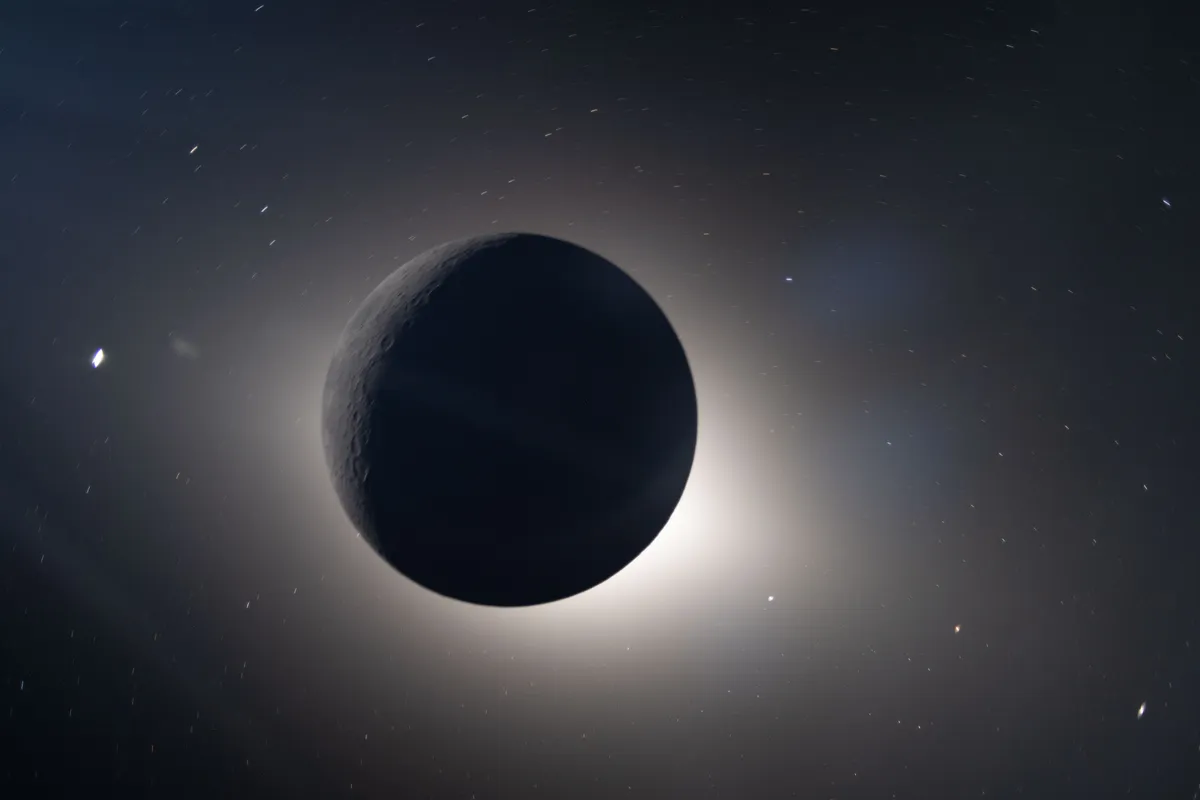
The dramatic reentry, splashdown and recovery of the four Artemis 2 astronauts generated a peak of 3,838,418 live viewers on agency platforms — nearly 5% higher than the liftoff’s peak viewership.
NASA attributed the increase to interest in the “riskiest moments” that some global news outlets highlighted about the mission, “particularly Orion’s re-entry and heat‑shield performance.” (Unexpected issues with Artemis I’s heat shield drew concerns from some when the agency flew the same design on Artemis II — although all turned out well, partly because NASA modified Artemis II’s reentry trajectory.) Some news outlets, however, have said global interest came because the astronauts showed “worldly harmony” and shared their experiences with “heartfelt words.”
Total, non-simultaneous live views of the splashdown on agency platforms clocked in at 24.1 million, which rises to 29.5 million when taking into account people who tuned in after the fact. But when bringing in a selection of the major broadcasters who covered the landing, NASA said that viewership rose to “hundreds of millions of potential viewers worldwide.”
The agency focused on select streaming platforms in its analysis, including HBO Max, Netflix, Peacock and Amazon Prime Video. News networks were not included. The streaming platforms released subscriber numbers, but not mission viewership numbers. HBO Max had between 120 million and 150 million global subscribers during the mission, Netflix 325 million paid global subscribers (as Netflix allows some account sharing), Peacock between 36 million and 41 million U.S. subscribers, and Amazon Prime Video up to 275 million global subscribers, according to NASA.
Websites
NASA said a “major surge” came in agency website traffic because of Artemis II.
- Entire mission: NASA.gov received 125.1 million page views during the mission, which was a 150% increase over the 50 million who logged in during the entire month of March. A website showing Orion’s orbit, called “Artemis II Mission in Real Time,” or AROW, “surpassed” 11 million cumulative views since launch, although NASA did not say whether the AROW views continued to be counted after the mission concluded.
- Launch day (April 1): The mission’s debut brought 17.6 million page views across all NASA sites, from 8.3 million individual visitors.
- Lunar flyby (April 6): More than 16.5 million page views came to NASA websites from 6.2 million individual visitors. As a part of the total page views, the NASA homepage got 2.3 million, while AROW showed 1.9 million.
- Splashdown (April 10): More than 6.1 million people logged on to NASA websites on splashdown day, generating 16 million page views. Of that figure, AROW alone generated 1 million page views.
NASA tracked 261 million individuals engaging with its social media accounts (which were not specified) between March 27 and April 13. Splashdown was the only milestone selected for individual analysis, with 35 million engagements shown on April 10.
“Public reaction to NASA’s Artemis II mission remained largely steady across launch week, with neutral and positive posts dominating the online conversation. Neutral sentiment consistently led daily discussion, ranging from 47 to 60%, while positive reactions accounted for 30 to 42%, fueled by excitement over the crew’s historic lunar journey, striking mission imagery, and renewed interest in deep space exploration,” the agency stated of the engagement.
NASA also noted “strong amplification” on social media from “major news outlets, brands, and international partners.” The Canadian Space Agency, working with other Canadian government departments and agencies, was the major international partner on Artemis II because of Hansen and backup CSA astronaut Jenni Gibbons (who also served as CAPCOM during lunar flyby), among other mission contributions. CSA hosted several live mission events in Canada, and had extensive social media engagement. The European Space Agency, which contributed the service module for Orion, also posted frequently during the mission.
NASA experienced “major social media growth” through Artemis II, with these figures below said to encompass the milestones between liftoff and splashdown. “Collectively, these gains highlight how Artemis II’s human‑spaceflight narrative, real‑time crew updates, and highly visual moments drew millions of new followers across platforms,” the agency stated.
- NASA’s Instagram added 4.6 million followers. (The agency did not include the baseline number of followers during the mission in April, but as of July 7 it stands at 104 million).
- NASA’s Artemis account on Instagram grew by 2 million, which was said to be “a 66 percent increase” while the mission was ongoing.
- The agency also noted “significant gains” on X, Facebook and YouTube. Numbers were not released for X. YouTube subscribers increased by 2 million during the mission in April; the baseline number was not disclosed, but as of July 7 numbers stand at 15 million. Facebook reached 1.7 million more people; as of July 7, the agency has 28 million followers on that platform.

Miscellaneous
NASA also highlighted a selection of its campaigns before and during the mission to engage the public’s interest but released few metrics about how these contributed to overall viewership and engagement.
- The moon-mascot campaign: Thousands of people from 50 countries contributed ideas for a zero-gravity indicator for Artemis II, which ultimately ended up being “Rise” from eight-year-old Lucas Ye.
- Sending public names to the moon: Rise carried an SD card containing 5.6 million names submitted, from individuals around the world, to fly around the moon.
- Other partnerships: Artemis II was also highlighted on a Google Doodle on April 1, a Spotify playlist that featured the crew’s wakeup songs, and on Merriam-Webster’s Facebook page.