I’ve got a question for you. Do you know how your photographs work? Not your cameras, you know how to focus and expose and use enough of the other buttons that you can mostly make it do what you want, but do you know how your images work?
A still image is a lot of moving parts (metaphorically speaking). Sure you need to focus on your subject, but how much focus do you want? I mean, do you want just the subject or do you want the background as well, and how much? And how will either choice affect how the photograph feels? I have the same question about shutter speed. Any scene can be properly exposed more than a dozen ways but which combination gives you the shutter speed that feels right and does what you want it to do?
A photograph isn’t taken. It’s made. Constructed, even. And the photographer that has done the work to think about this will be a stronger photographer.
It’s all about layers and the combinations of those layers are almost infinite. Where do you put the camera? What lens do you use? What about exposure choices—not just shutter speed and aperture but the brightness and darkness? And do you choose one moment over another?
And then there are the choices you make in development. Do you make the picture brighter or darker? What do you do with contrast? How do you use the colours? Is it “all saturation all the time” or is there a more subtle approach? Even the choice to make a black and white photograph doesn’t make it easier: what do you do with contrast and tonal relationships and the many ways of being very specific about that? And how do you make the eye move around the frame the way you want it to?
The best way to make stronger photographs is to make more of them. But that’s only half the story. Writers are told the best way to become a better writer is to write more, but they are also told to read more, to figure out how good stories are told, why one word feels better than another, how to pace a poem or, I don’t know, rhyme a couplet or something.
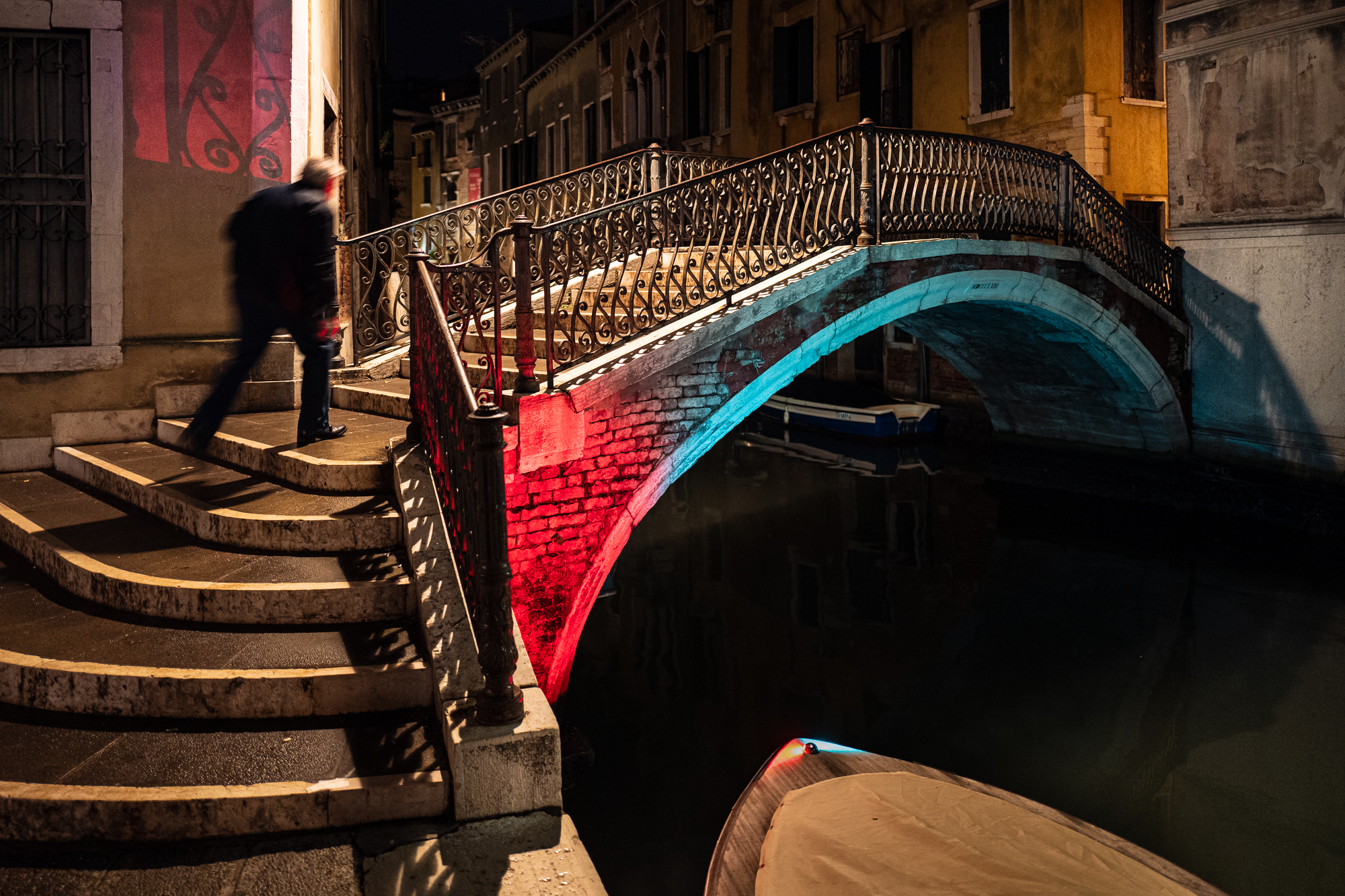
Yes, shoot more. But also, study photographs. Pull them apart. Look at the picture below. Take a moment with it, then strip it down. What choices did I make and why? Why did I include what I did? Would it have worked if the frame was more cluttered or contained fewer elements? Would it be remotely the same if I put the camera in a different place? What focal length do you think I used? Would it feel the same with a different choice? Does the aperture choice make any difference? Does the shutter speed matter? What about the choice of moment? How does that choice affect composition?


Now look at the RAW image below the finished image (above). What choices do you think I made to refine the image and make it what you see in the final photograph? Here’s a hint: look for the differences. Would it have felt the same if I hadn’t made those choices with brightness, contrast, saturation, colour, or dodging and burning to lead the eye? (Would you rather see this larger on my blog? Click here)
I don’t get prescriptive very often. These conversations always need nuance, but I’m going to make an exception: once you know how your camera works, you must learn how photographs work.
You should be able to look at an image and be able to say why it looks the way it does and (here’s the key) what choices the photographer made to make it look that way. It’s a non-negotiable. But here’s the payoff: if you know how to do that kind of thinking with the photographs of others, you will know how to do that kind of thinking with the camera to your eye. You will have trained your “if I do this, the picture will look like this” muscles. You will become a little more fluent in the language we speak as photographers
More than that: you will grow more intuitive. Your choice of aperture will be less about whether it’s the correct aperture and more about the aperture that makes the photograph look and feel the way you want it to. Same with shutter speed and your point of view of choice of lens. And the same with the work you do in the darkroom.
Play Along, Win a Prize?
I want to try something with you, if you’ll play along and give this a try. Look at the pictures above and tell me what choices I made to make the final image look the way it does. Any guesses about the focal length, shutter speed, or aperture? Why do you think so? Where did I put the camera and did that affect the look of the image? Does my choice of moment matter? You can see the RAW image, so maybe take a guess at that as well: what did I do with brightness, contrast, colour choices, or selective adjustments? It’s all guess work, but it will get your brain working.
Play along by leaving your answer on my blog here and I’ll choose one comment at random and put a prize on the line. And next week I’m going to walk you through this image with a video (and announce both the prize and the winner)
Whether you play or not, you must find a way to exercise these muscles, or practice the language, whichever metaphor works best for you. Anyone can learn the basics of how a camera works, but learning how an image works will take you much, much further in your craft.
For the Love of the Photograph,
David