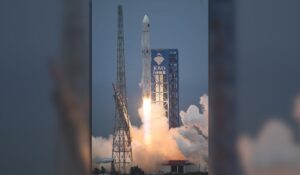
German company Isar Aerospace is expanding its operations overseas after signing an agreement with Canada’s Maritime Launch Services for use of its Spaceport Nova Scotia.
The deal allows Isar to design and operate the pad infrastructure based on the company’s needs, in order to launch its Spectrum rocket. In return, Maritime Launch Services (MLS) will provide the pad and surrounding facilities for vehicle stage and payload integration, testing and a mission control hub for launch operations.
The agreement grants Isar a $150 million, 10-year lease for the MLS launch site, with the option to extend up to an additional 10 years. Development of the facility is scheduled to begin later this year, with Isar targeting 2028 for its first orbital launches from the new site.
“Canada is the next step in our roadmap to bring full end-to-end launch capability to sovereign nations,” Alexandre Dalloneau, Isar’s mission and launch operations vice president, said in a company statement on Tuesday (July 7). “And we are proud to be doing it here in, and together with, Canada.”
By 2029, Isar hopes to be able to support up to 40 launches from the new Canadian site. “By combining Isar Aerospace’s launch vehicle, Spectrum, with Spaceport Nova Scotia’s licensed infrastructure, we are creating the conditions for reliable orbital launch services from Canada,” MLS President and CEO Stephen Matier said in the same statement.
MLS has positioned Spaceport Nova Scotia as a multi-user launch center, designed for expansion based on future customer needs. It’s one of Canada’s first-ever facilities designed to support orbital launches — Canadian company NordSpace is constructing a launch pad of its own with a similarly flexible framework, but neither it nor Isar has yet carried out a successful orbital launch.
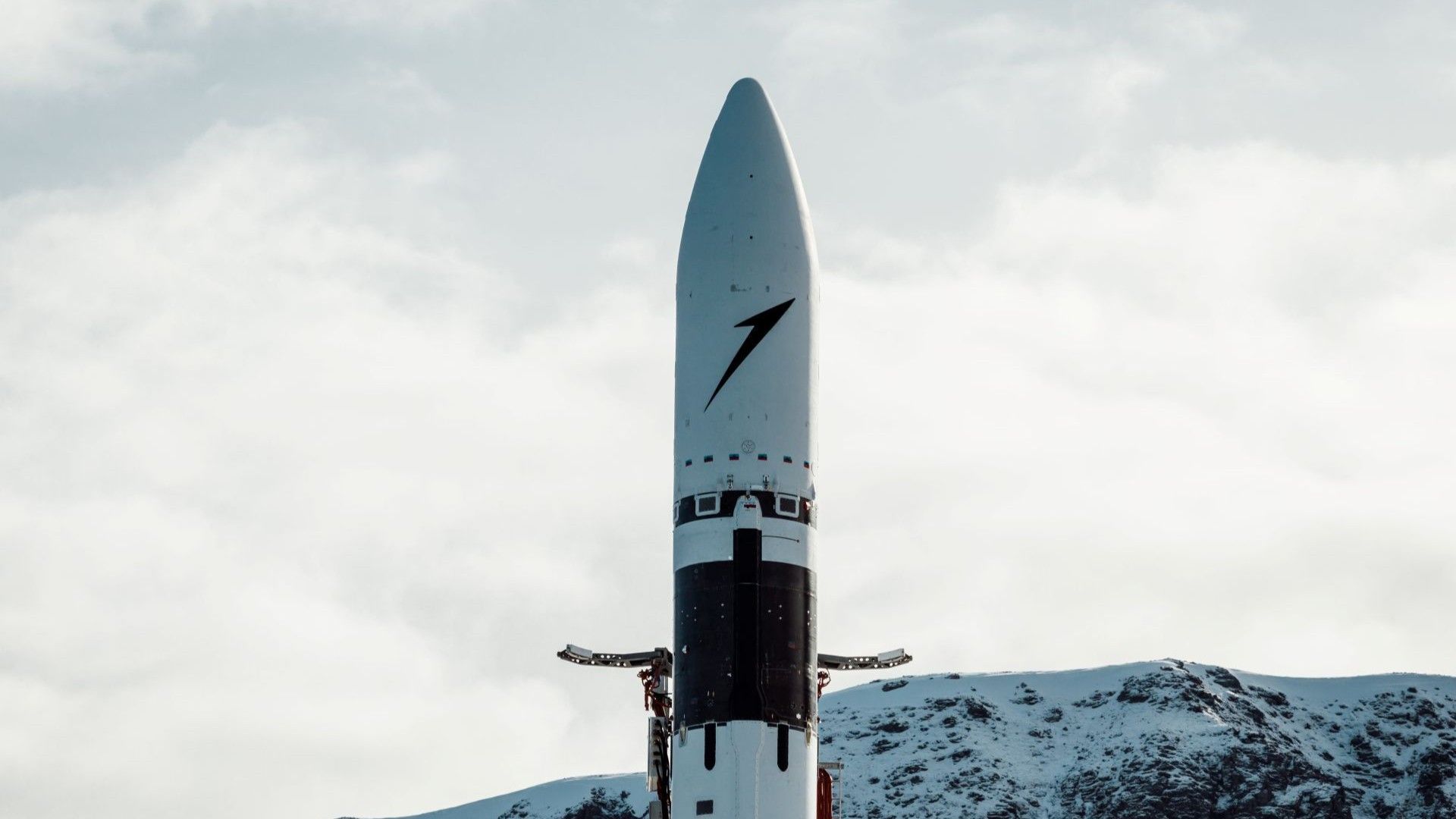
Isar has tried, however. Spectrum launched for the first time in March 2025, from Europe’s Andøya Spaceport in Norway, but the rocket began to tumble shortly after clearing the tower and fell back to Earth in a fiery explosion. Since then, the company has rolled Spectrum out several times for a second launch opportunity but has run up against either weather or technical delays that have scrubbed each attempt.
Still, that hasn’t slowed the company’s efforts. Dalloneau sees Isar’s success as one of international importance.
“While every nation needs data from space, almost no nation has the end-to-end capability to access it independently. This makes launch capacity one of the most consequential bottlenecks in defense and intelligence today, and we are here to close it,” he said.