


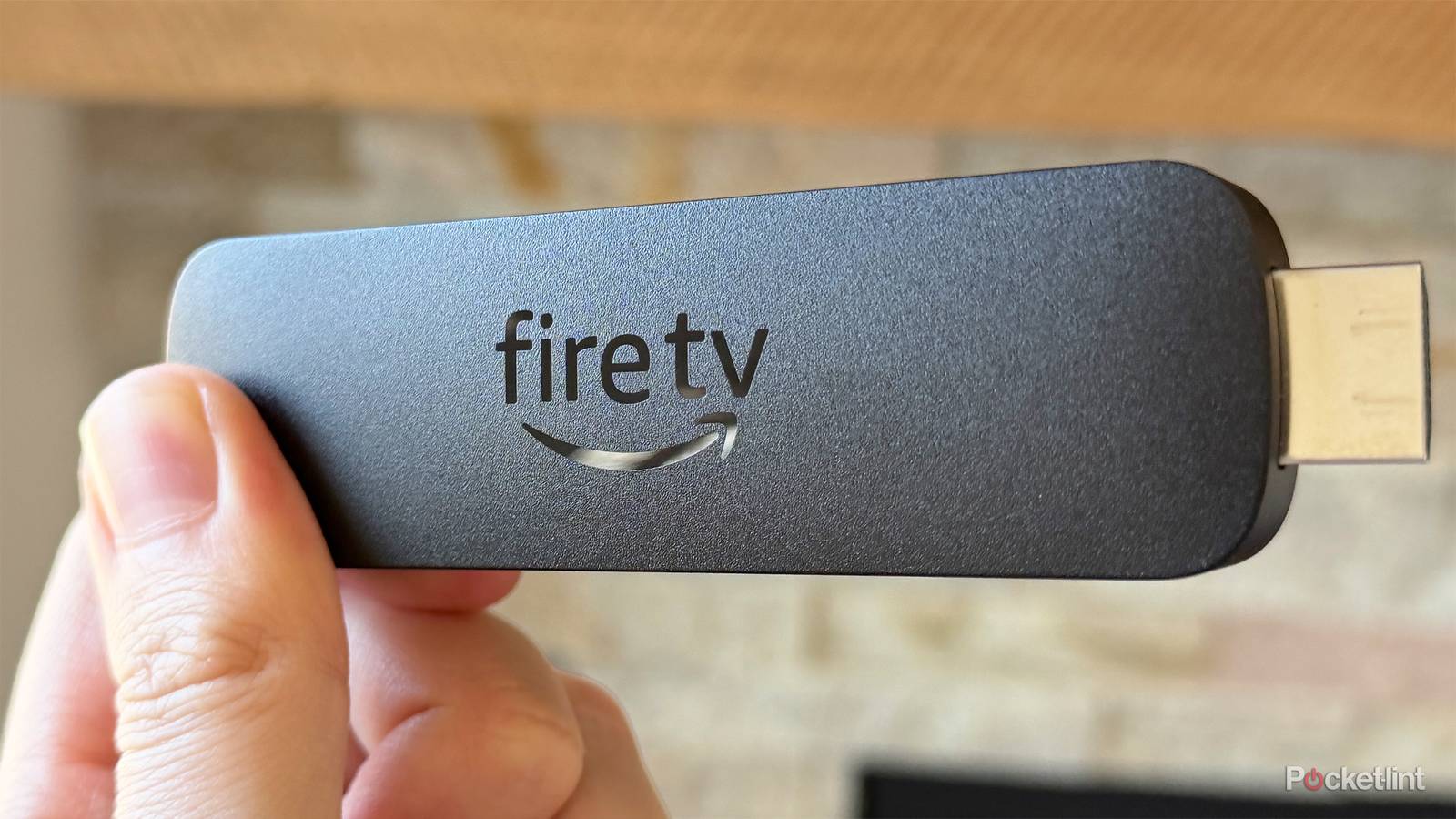
When Amazon announced the Fire TV Stick 4K Select last year alongside Vega OS, its new Linux-based operating system, it signaled that big changes were coming to its Fire TV Stick lineup. This year, we’ve already started to see that play out with the release of the new Fire TV Stick HD, which also runs Vega OS, and with Amazon’s confirmation of what many people were expecting: all future Fire TV Sticks will use Vega OS instead of Fire OS, the Android-based operating system Amazon has relied on for well over a decade.
Amazon’s reasons for making the switch are twofold. First, Vega OS is an operating system the company has complete control over, allowing it to better optimize its hardware and software. Second, because it’s built on Linux rather than Android, it doesn’t support sideloading, meaning users can no longer install third-party apps on their devices.
That’s understandably been the biggest criticism of Vega OS so far. While many users see the lack of sideloading as a major drawback, Amazon says the change is intended to improve security and protect users from malware that could be hidden in sideloaded apps.
But Vega OS isn’t the only major change Amazon has planned for its Fire TV Sticks. The company is also reportedly preparing another significant shift that could affect not only future Fire TV Sticks but also its entire hardware lineup — and this time, it has to do with the chips powering its devices.
Amazon wants to use custom chips in its devices
This could come to fruition in 2027

For a while now, Amazon has relied on third-party chipsets from companies like MediaTek and Amlogic to power its devices. But according to supply chain analyst Ming-Chi Kuo, that could soon change in a big way.
Kuo reports that Amazon is planning to start using its own custom-designed chipsets across its Fire TV, Echo, and Kindle devices instead of relying on third-party suppliers. The company could begin rolling out this new chipset strategy in 2027, with Amazon reportedly expected to produce up to 40 million self-developed processors in its first year.
There are a few reasons Amazon is moving in this direction, but one of the biggest is cost and efficiency. By designing its own chips and gaining greater control over production, Amazon could reduce costs and better optimize its hardware for its software and services, similar to what Apple has done with its iPhone, iPad, and Mac chipsets.
The other major reason, which probably won’t come as much of a surprise, is AI. Custom chipsets, which are potentially more powerful, could allow Amazon to run more AI features locally on devices, including experiences like Alexa+, rather than relying as heavily on the cloud.
Amazon’s hardware chief, Panos Panay, also strongly hinted at this shift during a recent interview with CNBC, saying the company’s focus is now on “end-to-end silicon.”
“On some of the more critical devices right now, our focus is end-to-end silicon, because to your point, if you really want that hardware and software connection… and if we’re going to go deliver this ambient experience in the home for people in the most secure way, we definitely need to think about how that end-to-end delivery of hardware comes together,” Panay said to CNBC.
This change could affect Fire Sticks
A new Fire TV Stick design already exists

While Amazon hasn’t confirmed which devices will get these custom chipsets, there’s a strong chance they’ll make their way into future Fire TV Sticks. Kuo specifically reported that Amazon plans to use them in Fire TV devices, which makes sense, especially as the company continues to push its Alexa+ experience across Fire TV.
The last time Amazon refreshed the Fire TV Stick 4K Max and Fire TV Stick 4K Plus was back in 2023, so they’re overdue for an update. It’s possible Amazon could wait until 2027 before releasing their successors, allowing the company to combine Vega OS with its own custom silicon. That could result in new Fire TV Sticks that feel significantly different from their predecessors. That said, I want to emphasize that this is purely speculation on my part, based on recent reports about Amazon’s chipset plans.
Amazon also launched the new Fire TV Stick HD earlier this year, and alongside Vega OS, it introduced another notable change: a slimmer design that can be powered directly from a TV’s USB port rather than relying on a wall plug. I’d be surprised if Amazon didn’t carry that design, or something similar, across the rest of its Fire TV Stick lineup in future refreshes.
Overall, whatever Amazon has planned, one thing seems clear: the next generation of Fire TV Sticks is shaping up to be very different from the models that came before, with Vega OS, potentially custom silicon, and a new design all expected to play a role.

- Brand
-
Amazon
- Resolution
-
4K
- Audio codecs
-
Dolby Atmos
- RAM/storage
-
16 GB