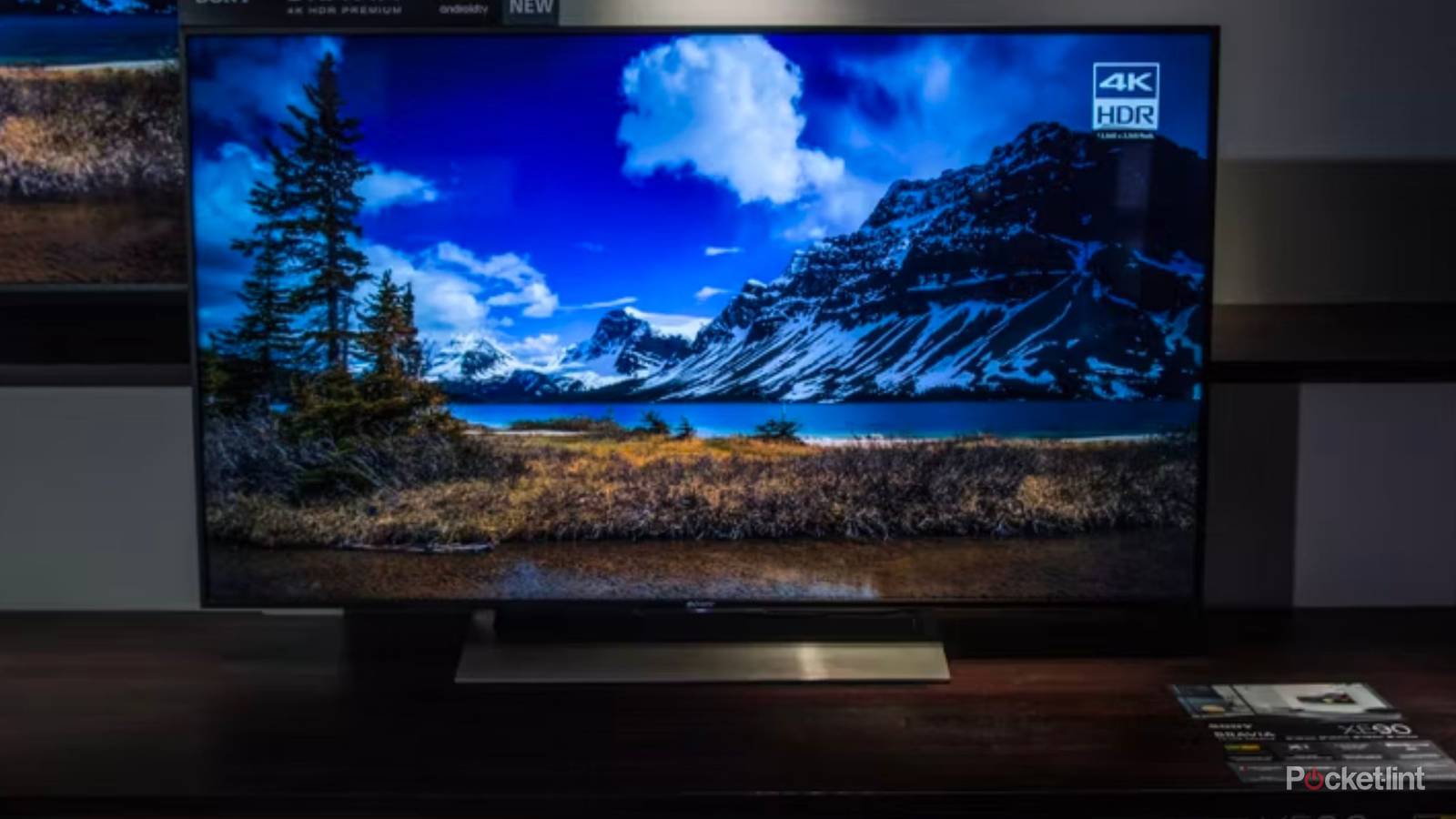
It’s probably not very shocking to hear, but my favorite HDR format today is Dolby Vision. Even though I don’t have an OLED TV, I still see the benefits that Dolby Vision provides, even if they aren’t as glaring as they could be. Dolby Vision is actually one of the big reasons I got into collecting 4K Blu-rays in the first place. A disc already provided the best picture quality available, and a Dolby Vision scan on top of it gave it another leap, especially when you compare it to streaming.
Regular Blu-ray discs, on the other hand, come in at a 1080p resolution and a total lack of HDR. Blu-rays are stuck with regular SDR, and that might prove to be a dealbreaker for some people. While I largely grab 4Ks if the film that I want has the option, sometimes a Blu-ray’s price is too good to pass up. Amazon Prime Day really made me think as I was looking to pick up Bugonia on Blu-ray for $11, knowing there’s a 4K alternative available for nearly three times the price.
I ended up grabbing the Blu-ray, even though it doesn’t come with HDR in any form. However, it’s still a better pick than streaming for me, and it’s the lone situation where I prefer SDR over HDR. HDR is great, don’t get me wrong, but it doesn’t compare to the bitrate that a disc provides.
Blu-ray still beats 4K streaming
SDR over HDR in this scenario

The vast majority of my collection over the past five years has been 4K releases with HDR. It’s been a great experience, but that doesn’t mean I always have the option of adding a 4K film to my collection. I’m often at the whim of what a thrift store has to offer, and with the price of practically everything going up, I have to consider regular Blu-rays every now and then. That might seem like I’m making a huge compromise. How could I possibly consider dropping HDR completely? It’s a fair concern to have, and it’s something that I struggle with. The big thing for me was to stop overthinking things and remember that it’s about the movies more than anything. Once I got past that hurdle, it became easy for me.
What you might not realize is that regular Blu-rays still look excellent, and most 4K TVs have upscalers built into them that make the image look even better. Blu-rays usually settle around the 25 to 30 Mbps range, which is much higher than most streamers offer. I value those bitrates because that means I’m getting a clean image, even if there isn’t any HDR included with the movie. The higher bitrate is more than enough to offset a 4K HDR stream for me, and if you put them side by side, I would imagine many people would agree with that.
With each passing year, streaming is becoming worse value. I’m not saying that from the perspective of what’s offered, but more of what you get for the price of it. Many streamers are starting to lock 4K resolution and superior Dolby Atmos sound behind the most expensive tiers. I can’t really justify paying that for several streaming services at once, so I’m often left holding the bag and watching a lower-quality Netflix stream with worse quality across the board than a 1080p Blu-ray.
Of course, perhaps the biggest thing here, is that buying a Blu-ray still provides ownership. Even if you think a 4K stream with HDR looks better than a Blu-ray, you still don’t get to keep your stream after watching it. Physical media has the double whammy of looking better than streaming and also preserving it. As long as you have the space to store your movies, you’re just getting a better experience with physical.
At the end of the day, I’m still going to try and limit my Blu-ray purchases because I don’t want to leave any performance on the table. I went through the trouble of getting a Dolby Atmos sound system and 4K Blu-ray player, so I want to make sure my discs support that. Many Blu-rays don’t have an Atmos soundtrack, so that’s another compromise that I would have to make. Thankfully, Bugonia comes with an Atmos track, but in my experience, that’s the exception rather than the norm.
Some streamers are better than others
Apple TV+ comes to mind

While Netflix lags behind discs with its streaming, that doesn’t mean other streamers follow suit. Apple TV+ bitrates often match what a Blu-ray disc has to offer, so if you can watch something in 4K HDR on that streaming service, you’ll be impressed with the quality. The same can be said for the Sony Pictures Core service, so it’s not like streamers can’t give you a good product. The issue with these two services is what’s on them. There’s no denying that Netflix and HBO Max offer more things to watch, and that’s a big part of why people gravitate toward those two services.
When it comes to streaming for me, I’m not really looking for the best quality. I often use a streaming service as a way of testing the waters before buying a movie. Using Bugonia as an example again, I watched that on Peacock before buying it physically. It’s a movie I plan to revisit, so I figured it would be better if I owned it instead of paying for Peacock or whatever streamer has the rights at any given time.
There’s the fear of losing a little bit of quality when I stream something, versus seeing it in the theater or watching on a disc, but this stuff is too expensive for me to constantly blind buy a $30 4K disc. Sure, I could upgrade a Blu-ray to a 4K release, but I find myself not doing that very often either. I was one of the unlucky people to buy the Blu-ray version of Twin Peaks: Fire Walk With Me to then see a 4K Criterion version of it come out after I bought it. I never ended up upgrading the disc, and I’m perfectly fine with my Blu-ray version, in all of its SDR glory. If you’re on the fence, my best advice is to stop worrying about it and just watch your Blu-ray. You’ll find that it still looks great, and the movie is the same regardless. This hobby is supposed to be about watching things, right? If that’s your main goal, you’ll find that you can save a lot of money and still get superior picture and audio quality when compared to streaming.