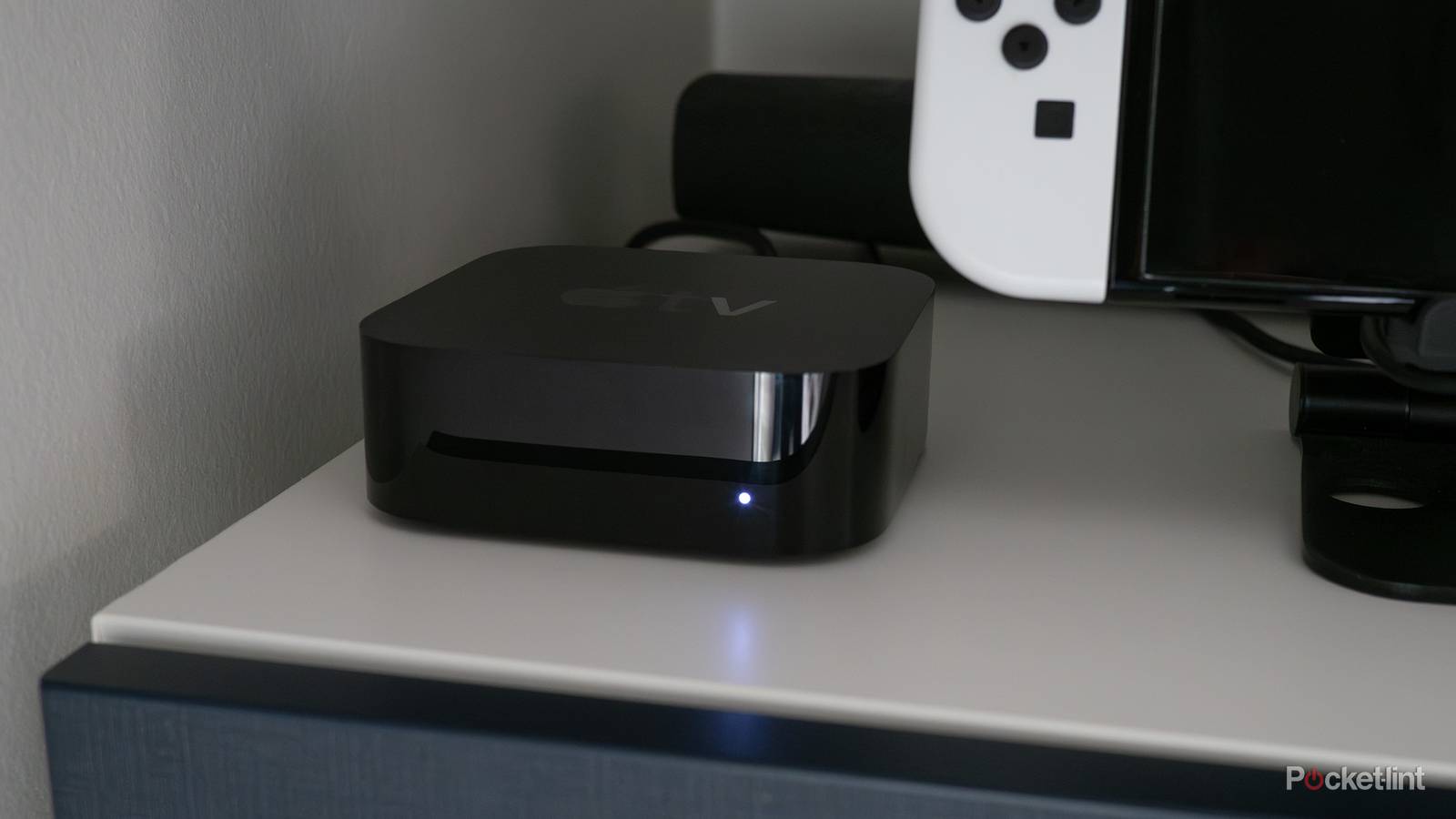
For a little peek behind the scenes on my end, something I’ve been encountering for a while now are people who doubt the rumors around an upcoming Apple TV 4K refresh. The fact that one is due isn’t in question — but rumors have been circulating for at least a year now, and the target date for the device keeps getting delayed. Cynics claim that sites like Bloomberg are just making things up for views, and shifting the blame to Apple whenever their story proves false.
What this ignores is a long-standing component of the rumors, which is that Apple is tying the release into an overhauled Apple Intelligence, which was only revealed at WWDC 2026 ahead of a release this fall. From a business perspective, that’s going to attract a lot more attention, and feed into an expected smart home revival. The ultimate smart display is your TV.
Something that occurred to me today is that Apple’s plans could have major ramifications on other media streamers, specifically from Amazon and Roku. If they don’t take a sharp turn, market conditions could leave them in the dust.
The incoming threat to Amazon and Roku
Adapt or die, that’s the first rule of survival

On a pure spec level, there may not be anything special about the next Apple TV. Its performance should crush rival streaming devices, yet that’s nothing remarkable, since even the 2017 model can run faster than some recent Amazon and Roku sticks. Also, Apple TVs have always cost more, and there are diminishing returns on new processors in 2026. You don’t need a state-of-the-art chip to make Netflix load quickly.
What you do need that for is complex generative AI commands. The heart of the revamped Apple Intelligence is Siri AI, based on Google Gemini models (though not actually hooked into Google’s product). It should, finally, be able to understand the sort of commands Apple promised in 2024. That includes deep control of apps and settings, and an awareness of your personal details in a way that should remain more private than most AI assistants.
Beta results are promising, and it’s not hard to imagine how Apple might exploit Siri AI in tvOS 27. Instead of simply asking Siri to find sci-fi titles, or movies by Stanley Kubrick, you might ask it to recommend something the way you’d talk to a friend. For example: “I’m looking for a good sci-fi movie with realistic science. It can’t be too depressing though, I’m feeling stressed out.” That would be a perfectly valid search request.
You should also be able to speak settings and smart home commands, and get smarter feedback in return. Apple likely hinted at this with its iOS 27 HomeKit updates at WWDC — instead of getting a series of generic notifications from your cameras and doorbells, you might be told that Dawson is in the backyard, or that UPS dropped off that new EUCon your doorstep. We’ll see if Apple Intelligence is allowed to dig deep enough into your emails to figure out what a particular package is.
Amazon and Roku are already making progress in this arena by way of Alexa+ and Roku Voice, but the latter is nowhere near the same level as Gemini, and doesn’t have insight into your personal info. There aren’t Roku messaging, email, or calendar apps — not that you’d probably want that after the planned Fox takeover.
Alexa+ is far more capable, as I can attest from using it on my smart speakers, but it has a couple of issues. The first is that it’s dependent on linking outside services to know much of anything about you, whereas Siri AI should have access to a lot of details courtesy of your iPhone, iPad, or Mac. That leads straight into my second concern, privacy. Amazon does have safeguards, but the company’s policies are more lax than Apple’s, and nothing illustrates that fact better than its Ring division handing camera footage over to police without permission. Amazon does seem to be reversing course, but the takeaway is that people trust Apple far more — which will give the next Apple TV an edge.
Is it really an existential threat?
Skepticism is a handy tool

In the short term, no. Amazon and Roku devices are hugely popular, and many viewers are not only doing fine without advanced AI, but probably rebelling against it in some cases. We’re all familiar with AI features being shoved into every crevice, regardless of how useful they actually are.
In the long term, circumstances could conspire, the first being that we’re talking about Apple. On top of the deep trust customers have, the iPhone is an overwhelming force in the North American smartphone market. If Siri AI is executed properly on iPhones, customers will naturally want it everywhere, and that could eat into Amazon and Roku’s marketshare, at least with their more expensive streaming options.
That wouldn’t matter so much if it weren’t for the fact that low-end streamers are losing value, too. Many smart TVs already run Roku OS or Amazon’s Fire OS, and reasonably smoothly at that. There’s less incentive to buy any add-on streamer unless you want the best of the best — and for a lot shoppers, that’s the Apple TV.
What about Google, you ask? That company isn’t in any serious trouble, since the Google TV Streamer already has Gemini, and owners are using services like Gmail, YouTube, and Google Maps. At most the company might have to devise a more powerful Streamer — whereas Amazon could add a quantum processor to the next Fire TV Cube and still see people ignore Alexa.

- Brand
-
Apple
- Bluetooth codecs
-
5.0
- Wi-Fi
-
6
- Ethernet
-
Gigabit (128GB model only)