Ferry bosses have handed £600,000 of taxpayers’ cash to consultants – because they don’t ‘typically’ have staff trained on testing, supplying or filling ships with ‘climate-friendly’ fuel.
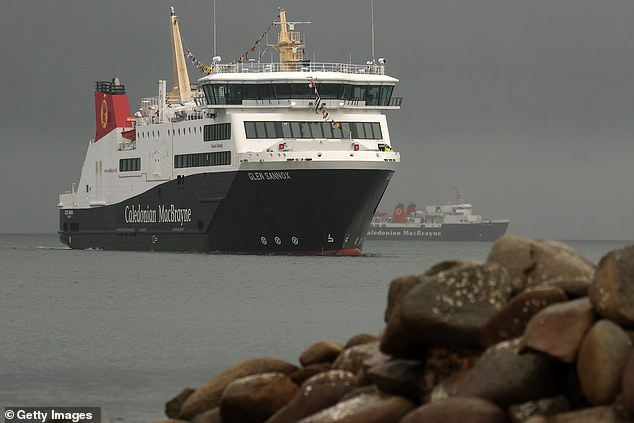
MV Glen Sannox has been running on diesel because of problems with its cleaner liquefied natural gas (LNG) system.
Meanwhile, sister vessel MV Glen Rosa is eight years behind schedule, four times over budget and still not expected to be in service until the end of the year.
Now it has emerged that part of the budget over-shoot is due to the state-owned Ferguson Marine shipyard having to draft in experts to install and fill her LNG tank.
The vessels were designed with complex hybrid engines as part of legal duties imposed on public bodies by the SNP to help meet ministers’ Net Zero targets.
But the blueprint has simply created another layer of difficulty for shipbuilders to grapple with.
Now Ferguson Marine has had to award a £600,000 contract to English engineering consultancy Waves Group for ‘advice for Glen Rosa’s LNG Fuel system during the commissioning phase’.
The bill is part of the £500million construction costs of the fiasco ferries, which were originally due to be finished in 2018 for £97million.

The troubled Glen Sannox ferry has been running on diesel
Scottish Conservative transport spokesman Tim Eagle said: ‘It is shocking that taxpayers are once again being forced to cough up for the SNP’s ferry fiasco.
‘The Glen Sannox cannot even use this fuel system, and now the public are being forced to foot a bill of over half a million pounds to bail out its sister ship, in what seems to be a pointless virtue-signalling enterprise.
‘The true scandal is that through years of this disgraceful and eye- wateringly expensive ferries saga, not a single SNP minister has taken responsibility or been sacked.’
Glen Rosa – earmarked for CalMac’s Troon-to-Arran route – remains in dry dock at the nationalised yard in Port Glasgow.
Glen Sannox only made her maiden sailing in January last year but has been withdrawn from service several times since for repairs.

The Glen Rosa remains in dry dock at the nationalised yard in Port Glasgow
Ferguson Marine executive technical director Andrew Milligan said: ‘Building vessels fuelled by LNG is a highly complex, expensive and regulated practice.
‘LNG is a cryogenic, flammable gas and maritime authorities strictly control and closely manage its use to ensure safe handling.
‘Shipbuilders do not typically have internal staff trained on testing, supplying or filling LNG systems as it is more efficient and cost-effective to outsource its supervision to a specialised, accredited team.
‘We know we need to get this process right to ensure Glen Rosa is handed over as quickly and efficiently as possible and utilising an external specialist is the best way for us to achieve that.’
A Scottish Government spokesman said: ‘Since nationalisation, we have taken steps to secure a sustainable future for the yard and the skilled jobs it provides with clear work, improved delivery confidence and a modernised facility.’