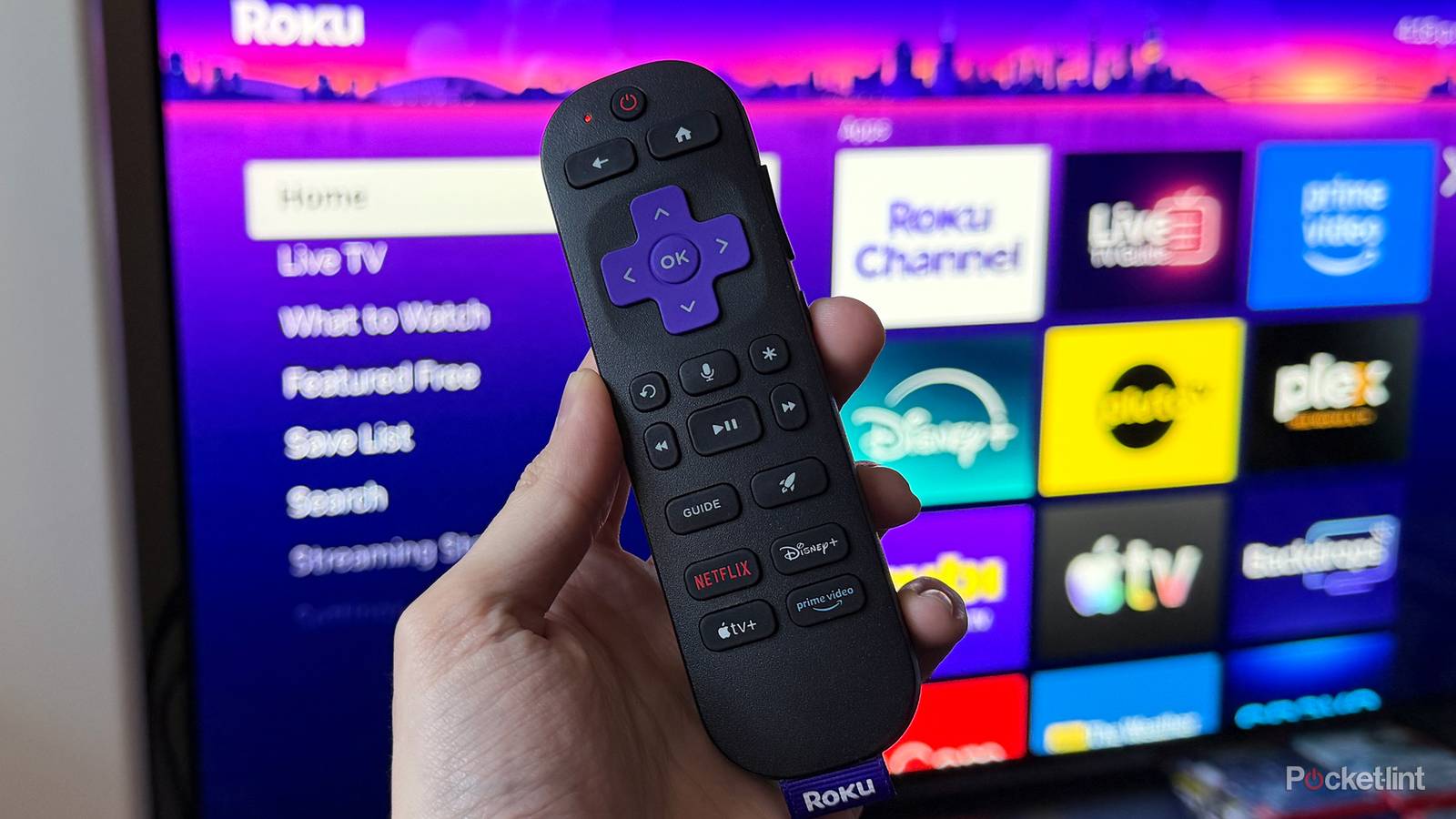
Roku is already one of the largest streaming platforms in the US, and it’s about to get even bigger due to a landmark deal that could reshape the streaming landscape in the US and around the world.
The Fox Corporation and Roku have announced a definitive agreement under which Fox will acquire Roku for approximately $22 billion.
In a press release, the companies said the acquisition will bring together Fox’s portfolio of sports, news, and entertainment content — including Tubi, its free ad-supported streaming service — with Roku’s streaming ecosystem, which spans its smart TVs, streaming devices, and The Roku Channel. According to Roku, its platform surpassed 100 million users worldwide in April. Combined, Fox and Roku say they will become the third-largest player in the US TV market by viewing share.
“This is a defining moment for FOX, and a natural extension of the deliberate and focused strategy we have been executing for nearly a decade,” said Fox CEO Lachlan K. Murdoch. “Today, we take the next step: bringing together the most valuable live content portfolio in video consumption with the preeminent streaming platform through which America watches it.”
One major concern about this deal is the ongoing media consolidation in the streaming and entertainment industry, which is stifling competition. Paramount is in the process of acquiring Warner Bros. after completing its acquisition of Skydance in 2025. Disney already owns Marvel, Lucasfilm, ESPN, and Hulu, and acquired 20th Century Fox in 2020. With Fox now acquiring Roku, another major streaming brand is being absorbed by a mega corporation.
Roku will remain an open platform
The deal closes in 2027
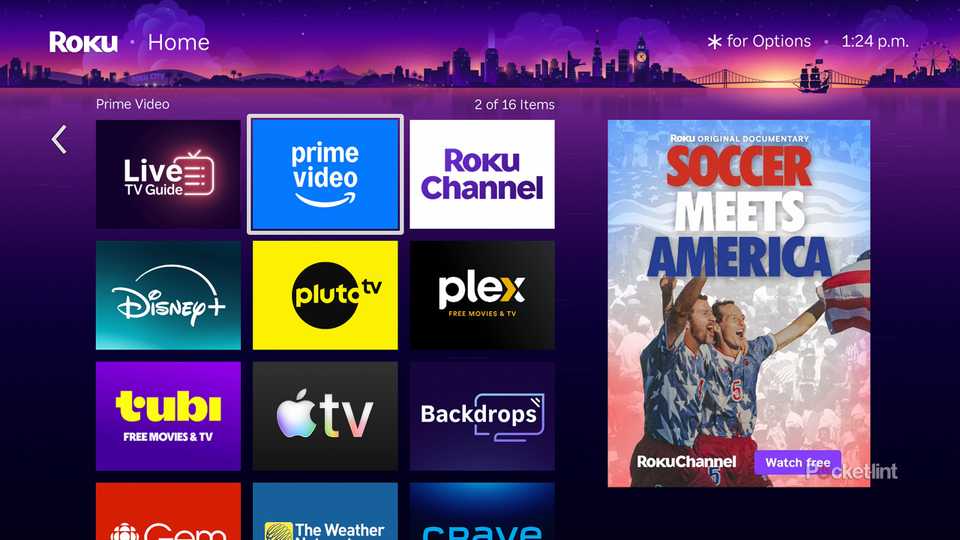
The biggest question I have about this deal, and I’m sure many others share, is what it exactly means for Roku’s future.
So far, the companies haven’t provided many details about the long-term implications of the acquisition. It’s still unclear whether it could affect future Roku devices or change the free content available on Roku’s platform. What Fox has made clear, however, is that it intends to keep Roku an “open” platform.
“It is essential that Roku will remain an open and partner-friendly business,” Murdoch said (via The Hollywood Reporter).
“We know how to promote our own services, as well as our partner services, and so we intend to continue doing that,” said Anthony Wood, CEO of Roku.
So, to me, it doesn’t sound like Fox will make any immediate changes to Roku’s platform once the deal closes, which is expected in the first half of 2027. But that doesn’t mean changes aren’t coming.
Fox will likely leverage Roku’s platform in the future, including its new home screen design and ad spaces, to push more of its own content.
In the press release from Roku and Fox, one of the “strategic benefits” listed from the deal is that it “Brings together Fox’s premium content and advertising capabilities with Roku’s consumer interface, home screen, platform technology and direct viewer relationships to enhance content discovery, deepen engagement and create a more compelling streaming experience for consumers and content partners.”
So it certainly sounds like Fox will leverage Roku’s platform, including its new home screen design and ad spaces, to push more of its own content in the future.
That said, one positive outcome of this deal could be a larger Roku Channel.
The Roku Channel’s future just got more interesting
More free channels could be on the way

One area I’m particularly curious about is what this deal means for The Roku Channel. It’s currently the largest free ad-supported streaming service in the US, offering more than 500 FAST (free ad-supported TV) channels. With Fox set to become its owner, it raises some interesting questions about what comes next.
For example, could we see more Fox-owned channels and on-demand content added to The Roku Channel? It certainly seems like a possibility.
Am I a fan of further media consolidation? No. But it’s happening, whether I like it or not, and in this case, I can see how it could benefit The Roku Channel…
Fox already has some experience in the free streaming space. The company acquired Tubi for $440 million in 2020, and once the Roku deal closes, it will control two of the biggest free streaming services in the US. That also makes me wonder whether we’ll see deeper integration between Tubi and Roku’s platform, similar to how Roku currently promotes and integrates The Roku Channel with Roku OS. Looking further ahead, it’s not impossible to imagine Fox eventually combining Tubi and The Roku Channel into a single mega free-streaming service. That said, it’s important to note that this is speculation on my part, and Fox and Roku have not confirmed that anything like this will happen.
Given what this deal could mean for The Roku Channel, I’m cautiously optimistic about it. Am I a fan of further media consolidation? No. But it’s happening, whether I like it or not, and in this case, I can see how it could benefit The Roku Channel, the free streaming service I watch the most, and turn it into a larger platform with more content. Plus, Tubi already has a large library of free shows and movies that I enjoy, so seeing some of those come over to The Roku Channel would be a welcome sight.
And I think it’s important to emphasize that I say “cautiously optimistic” here, because Fox could just as easily take the wrong road and force changes on Roku that ruin the experience rather than improve it, such as pushing even more ads and making Roku’s user interface less user-friendly.
Fox’s $22 billion deal to acquire Roku is expected to close in the first half of 2027, so there’s still quite a bit of time before any major changes take place.

- Dimensions
-
4.9 x 5.0 x 1.0 inches
- Connective Technology
-
Bluetooth® streaming, 802.11ax dual-band MIMO Wi-Fi 6 (2.4 GHz / 5 GHz), 10/100 Base-T Ethernet
- Brand
-
Roku
The Roku Ultra has refreshed for the first time since 2021. A new backlit remote, faster performance, and Wi-Fi 6 support separate this 2024 edition from the past generation.