


The inspiration for this piece was Apple’s WWDC keynote on June 8. While the focus of that event was Apple Intelligence, particularly the revamped version of Siri based on Google Gemini models, the company did spend time talking about improvements to its flagship operating systems, namely iOS, macOS, iPadOS, and watchOS. Something that was conspicuously minimized, though, was tvOS.
We are getting a tvOS 27, including changes like performance optimizations and high-res lossless for Apple Music, but the company didn’t seem too interested in talking about it at WWDC. There’s probably a straightforward explanation, which I’ll get into soon enough — but it also occurred to me that Apple might have greater ambitions in mind, connected to recent rumors.
The case for homeOS on the next Apple TV
Bridging the streaming and smart home worlds

If you’ve been using HomeKit devices for as long as I have, it’s no secret that Apple’s smart home efforts have been half-hearted until now. While the Apple Home app is alright, and even has some advantages, HomeKit is such a locked-down standard that there are far fewer native accessories than there are for Amazon Alexa or Google Home. Options have improved with the addition of Matter pairing, but HomeKit is still the least popular of the three major smart home platforms.
Apple is rumored to be preparing a fresh assault led by an assortment of new devices. Those could include updated HomePods, a smart doorbell and/or security camera, and most significantly, its first-ever smart display. One of the other things that gave Amazon and Google a lead in the smart home market was their willingness to make an assortment of speakers and displays — until the first-generation HomePod, released in 2018, your best option for controlling HomeKit devices was pulling your iPhone out of your pocket.
Underlying all of this is expected to be a new operating system dubbed homeOS. It should at least provide a graphical interface for the smart display. For everything else, it could pave over some of the problems HomeKit has, like its clunky automation system or those “no response” errors for devices that should be easily detectable.
One rumor suggests that homeOS is based on tvOS, which would make sense. Any good smart display is going to feature a similarly stripped-down interface, letting you turn on the lights or check your doorbell camera in a matter of seconds. Apple could conceivably let you watch Netflix or YouTube on the display, but even those might be secondary functions.
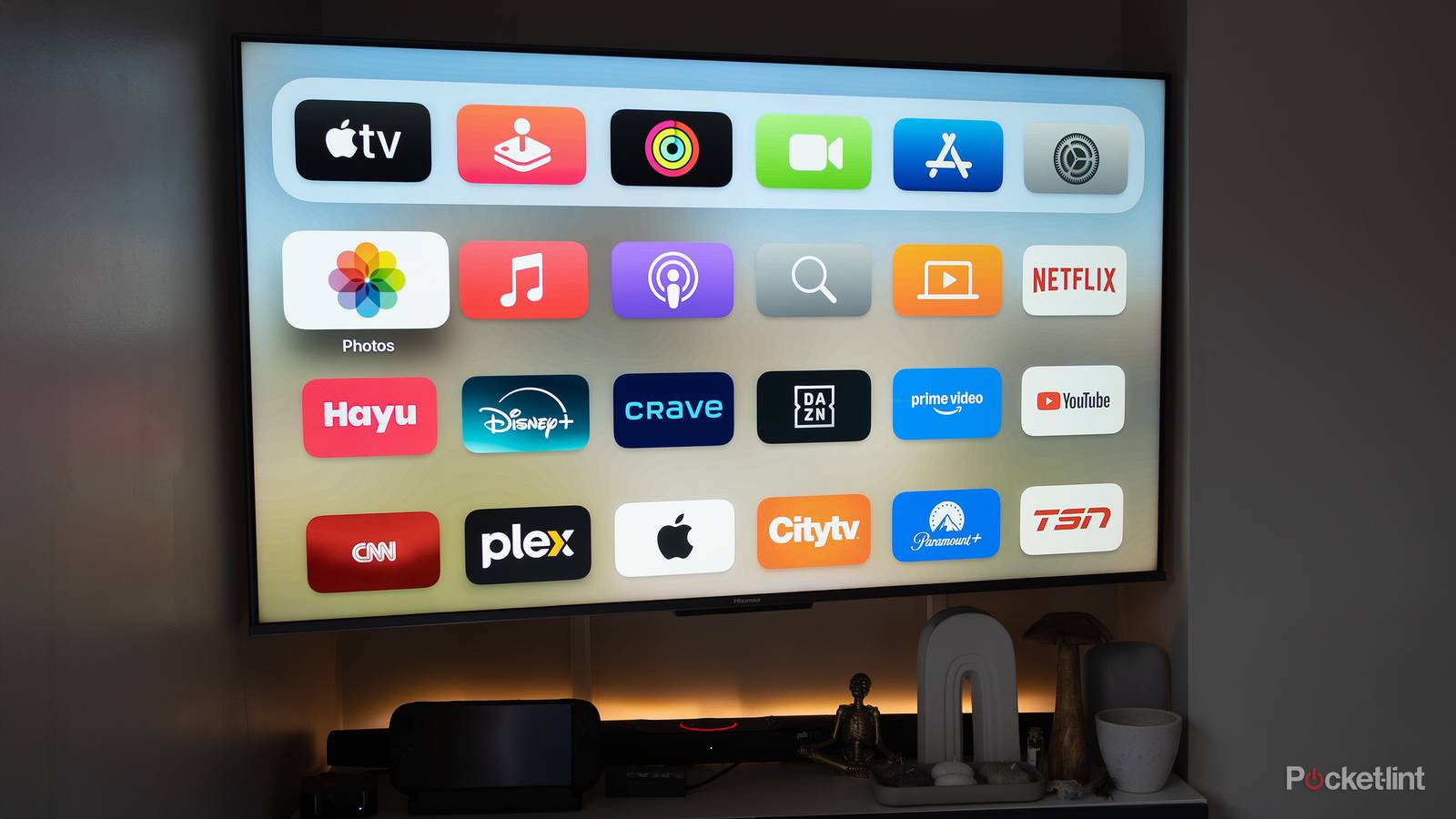
If the two platforms are connected, it might make sense for Apple to ditch tvOS completely on the next-generation Apple TV, relegating tvOS 27 to older models. Apple TVs have acted as smart home hubs for a while now, and if that’s going to continue, a transition to homeOS might even be necessary. As long as streaming apps remain front-and-center, I think it’s easy to see that working.
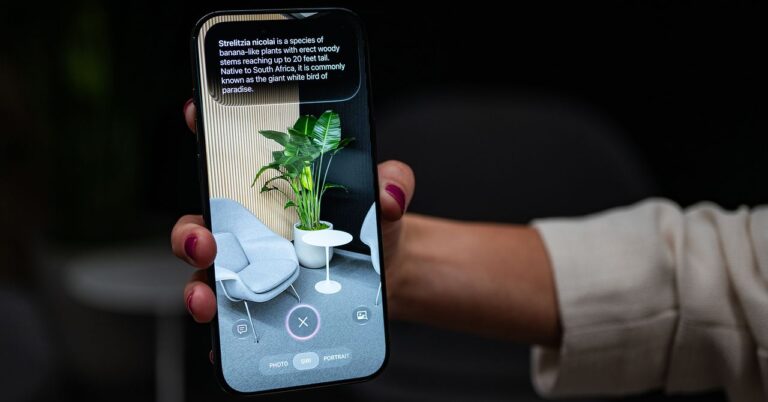
That sort of break may be easier to justify with expected hardware changes. Supposedly, the reason we haven’t seen homeOS, the new smart accessories, or an updated Apple TV so far is that Apple was hoping to tie them into Apple Intelligence. That was botched in its 2024 incarnation, so the company kept having to postpone new hardware until its software — particularly Siri — was up to snuff. Siri AI will be able to understand more complex commands than its predecessor, something non-negotiable when the competition is Alexa+ and Gemini.
The 2022 Apple TV 4K can’t handle the existing version of Apple Intelligence, let alone anything newer, as the platform requires an A17 Pro processor or better. There will, therefore, be a fundamental leap forward with the next Apple TV, which will presumably feature an A19 or A20 chip. Many people will have to upgrade to stay current with Apple apps and services, so this could be an opportunity for a fresh slate — for instance making it easier to control smart home accessories than tvOS 26 currently allows, which in turn might spur sales in other product categories.
Why Apple might be sticking with tvOS
Or, how to drive app developers insane

Since the original iPhone, Apple has exercised extreme secrecy when it comes to new hardware. That often ends up being pointless, as the company has too many suppliers, contractors, and accessory partners to prevent leaks. Nevertheless, it only makes vague public hints at future devices, even when it announces the software those devices are going to ship with.
You can see where I’m going with this. The version of tvOS 27 we saw at WWDC was, no doubt, incomplete. Apple could be waiting until the next Apple TV 4K is announced to reveal associated tvOS features, above all Apple Intelligence and Siri AI functions. Certainly, there would be a deep split with older Apple TV models, but even that has precedent without demanding a new OS. My 2017 Apple TV can’t handle HDR10+ or Liquid Glass, among other things, and iOS 26 is a far different experience on an iPhone 17 Pro than it is on an iPhone 11.
If I were a betting man, iI’d put my money down on the next Apple TV running tvOS. I just feel there’s a decent argument for a departure, assuming Apple plans to take the smart home seriously.

- Brand
-
Apple
- Bluetooth codecs
-
5.0
- Wi-Fi
-
6
- Ethernet
-
Gigabit (128GB model only)