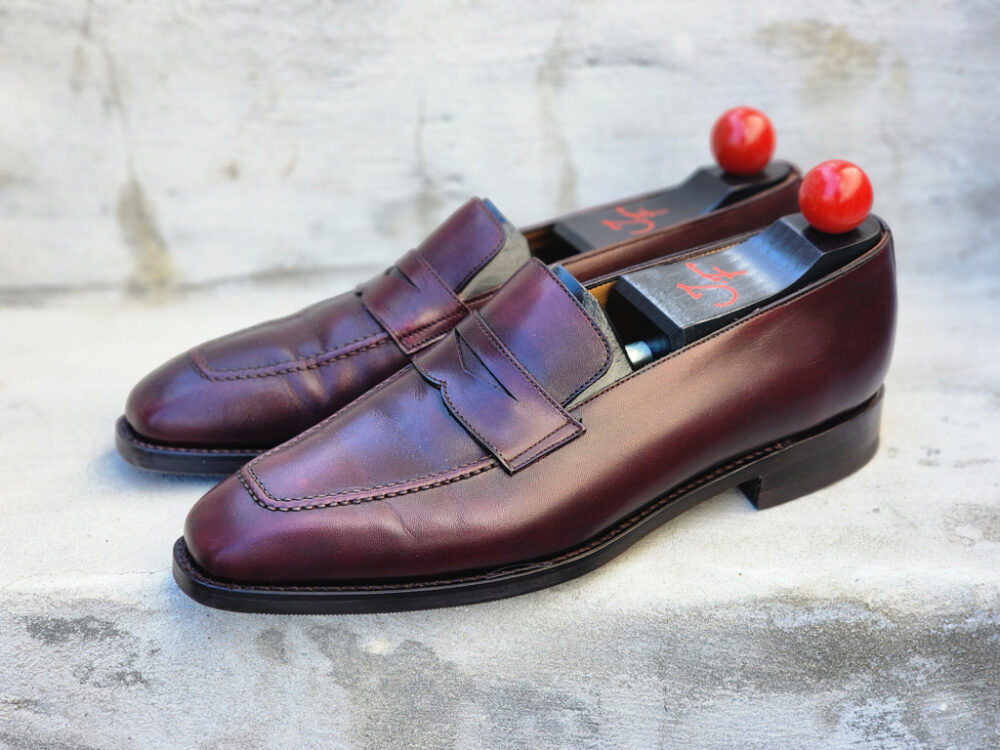
The second-hand shoe market is stronger than ever. Between eBay, Vinted, Grailed, Facebook groups, Styleforum, Instagram, and specialist marketplaces, there are more places than ever to sell a pair of used shoes. But in the vast marketplace, the key to a successful transaction lies below. So read on!
But the truth is that selling used shoes is not as easy as simply taking them out of your closet, snapping two lazy photos, and asking near-retail price, not like the used car industry that tries to sell you near retail prices for cars that already have 50,000-100,00K miles on them.
Shoes are personal. They have been worn on someone else’s feet. They crease, they mold, they darken, they collect marks, and sometimes they look far worse in photos than they actually are in real life. That means the burden is on you, the seller, to make the buyer feel confident. And most people do the complete opposite.
They often overprice them. They photograph them badly. They leave them dirty. They hide the soles. They give no sizing advice. Then they wonder why no one is biting.
So, if you actually want to sell your used shoes, here is how to do it properly.
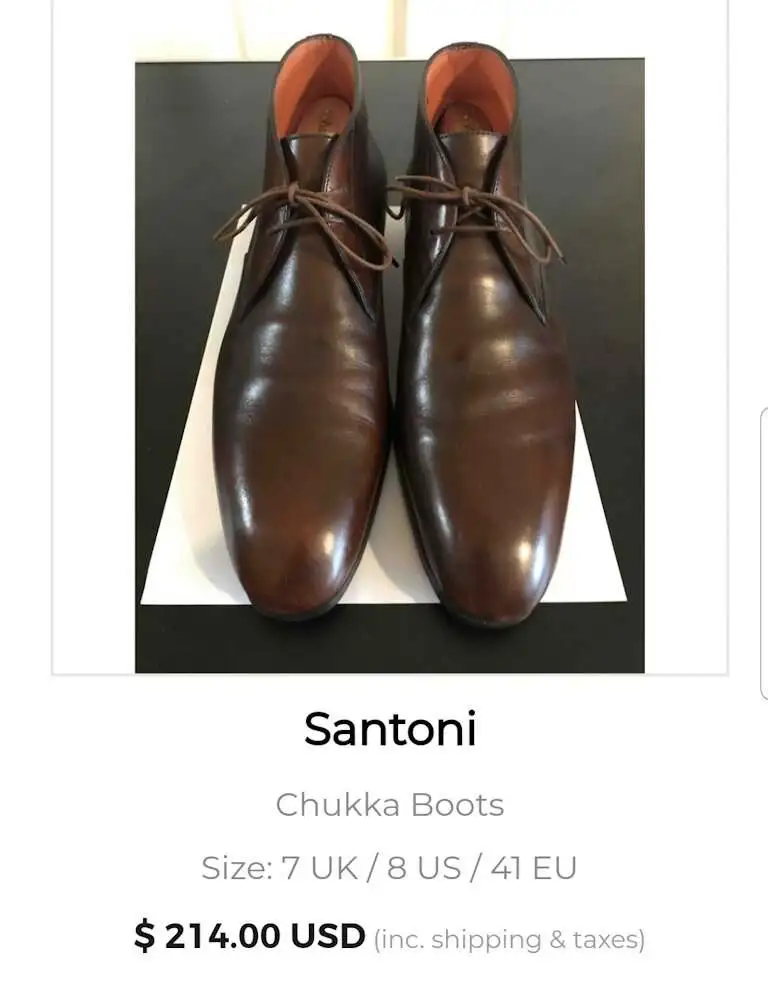
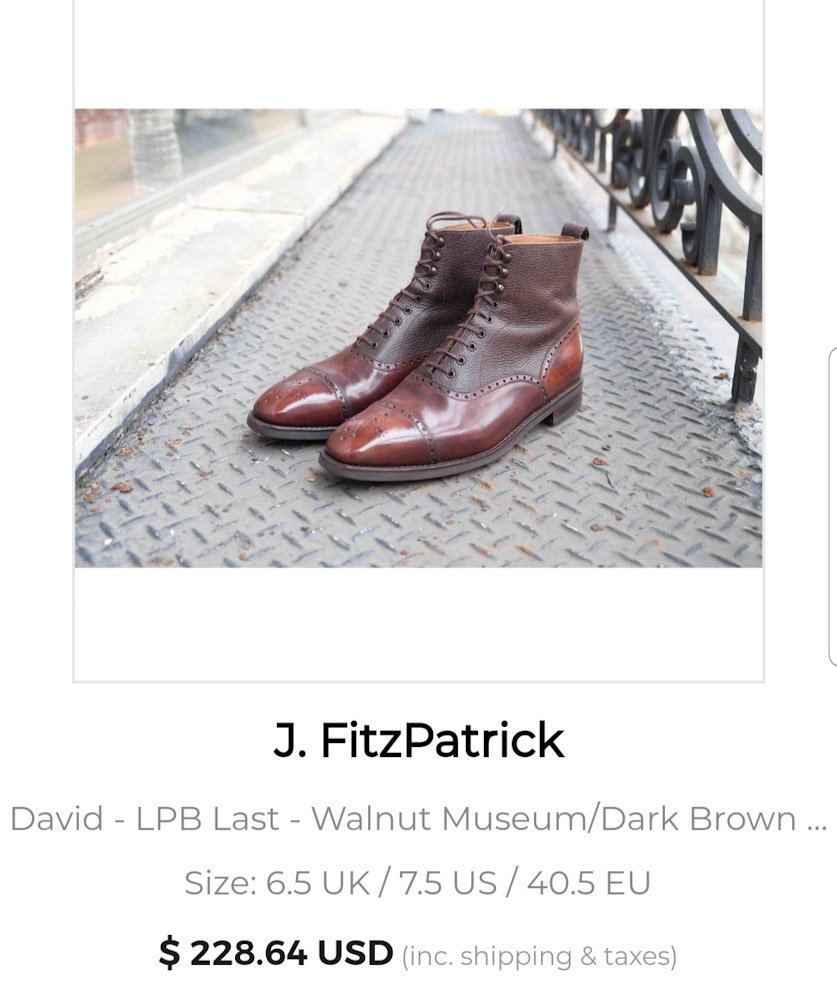
Price Them Like Used Shoes, Not Like Special Treasures
This is the number one mistake people make when selling used shoes: they price them based on what they paid, not what they are worth now.
I get it. You bought a nice pair of Goodyear-welted shoes. Maybe you paid $400, $700, or $1,200. Maybe they are from a respected maker. Maybe they are beautifully made. Maybe you only wore them “a few times,” which, in seller language, can mean anything from twice to “two times a week for a year.”
But the buyer does not care what they meant to you. They care about the risk they are taking and how close to a re-sole they are.
Used shoes are a bit like used cars (even though used cars these days are a rip-off). The second they leave the shop and hit the pavement, the value drops. Even unworn shoes from a private seller are hard to sell at full retail because there is no return policy, no shop guarantee, no perfect buying experience, and usually no confidence that the sizing will work.
Once shoes have been worn, you need to price them accordingly.
As a general rule, if the shoes are truly lightly worn, you might be able to get around 50% of the retail price. If they have been worn more than a handful of times, 30–40% of retail is often far more realistic. If they are heavily worn, obscure in sizing, damaged, or from a brand with limited demand, you need to go lower.
That does not mean give them away. It means understanding the market. The goal is not to prove that your shoes were expensive. The goal is to sell them.
And if your listing has been sitting for weeks with no real interest, the market has already spoken. Lower the price.
Clean Them Before You List Them.
This should be obvious, but apparently it is not.
Do not take a pair of shoes off your feet, throw them on the floor, photograph them in bad lighting, and expect someone to get excited. Used shoes already have a psychological hurdle to overcome. Dirty used shoes have an even bigger one.
Give them a proper wipe-down. Brush off the dirt. Clean the welt area. Use a little cream polish where needed. Buff them. Make them look like a pair that has been cared for.
They do not need to look brand new. In fact, pretending heavily worn shoes are “like new” is one of the fastest ways to lose trust. But they should look presentable.
A well-maintained used shoe tells the buyer, “This pair has been looked after.” A dusty, dry, misshapen shoe tells the buyer, “Good luck.”
And good luck does not sell shoes.
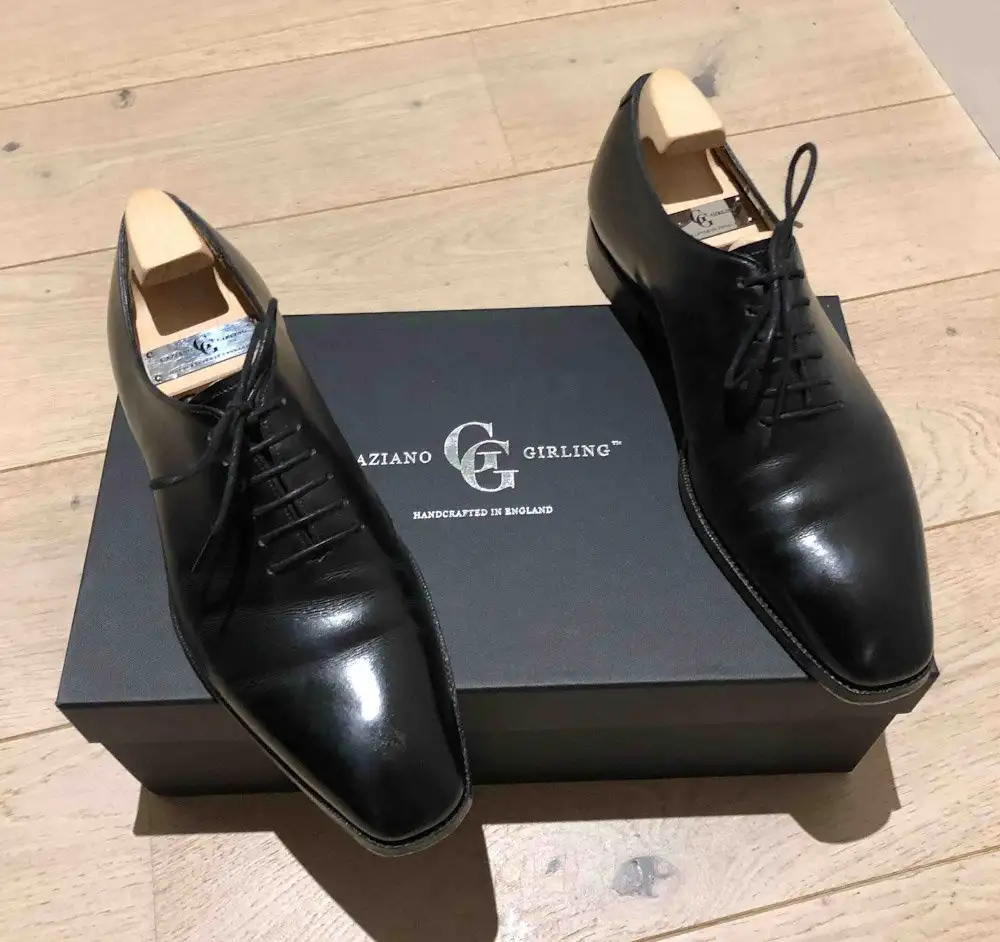
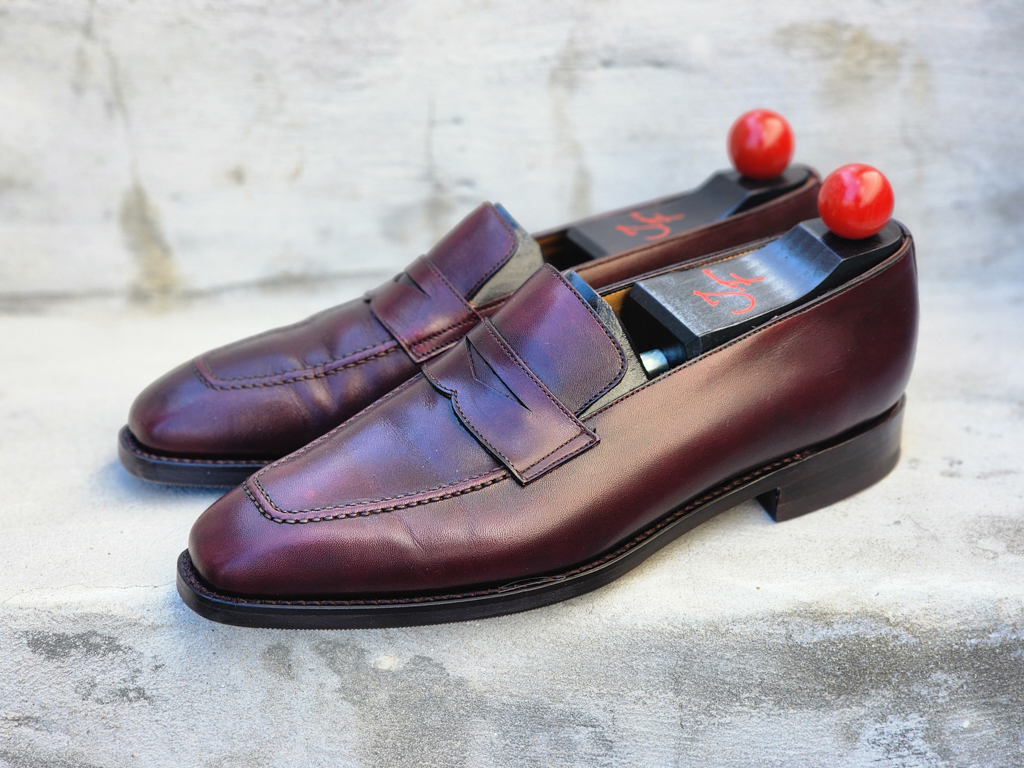
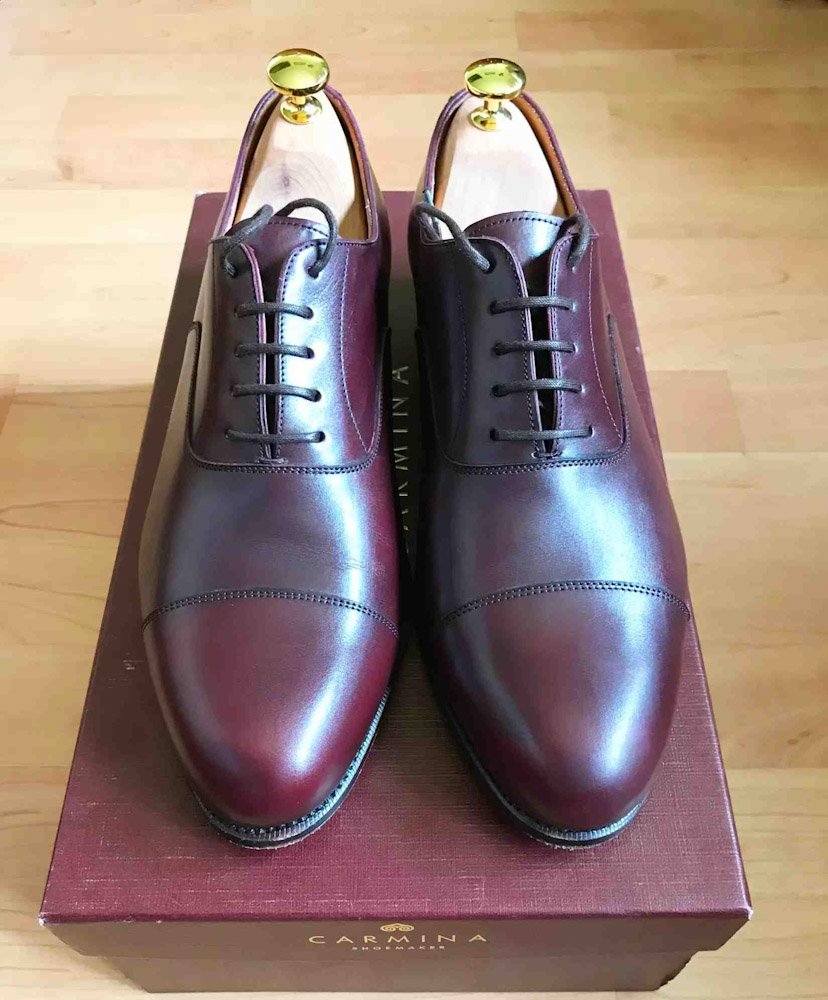
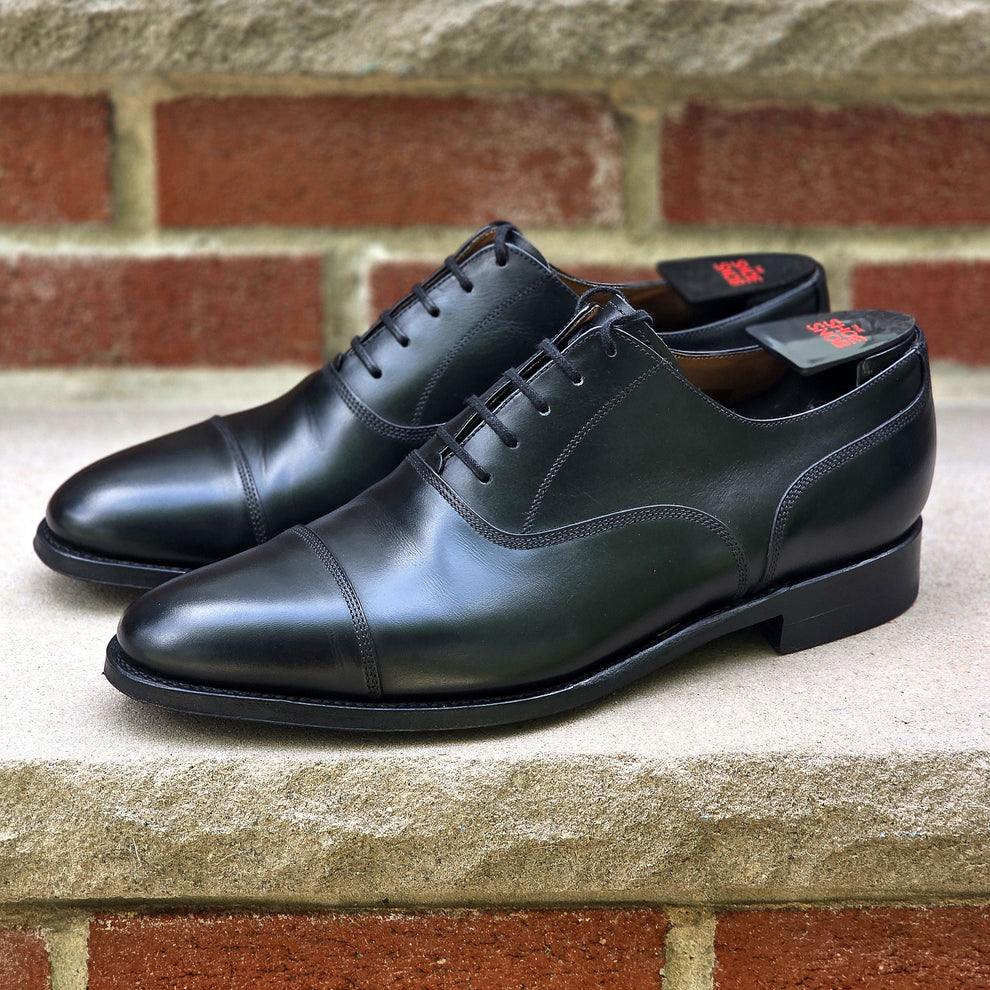
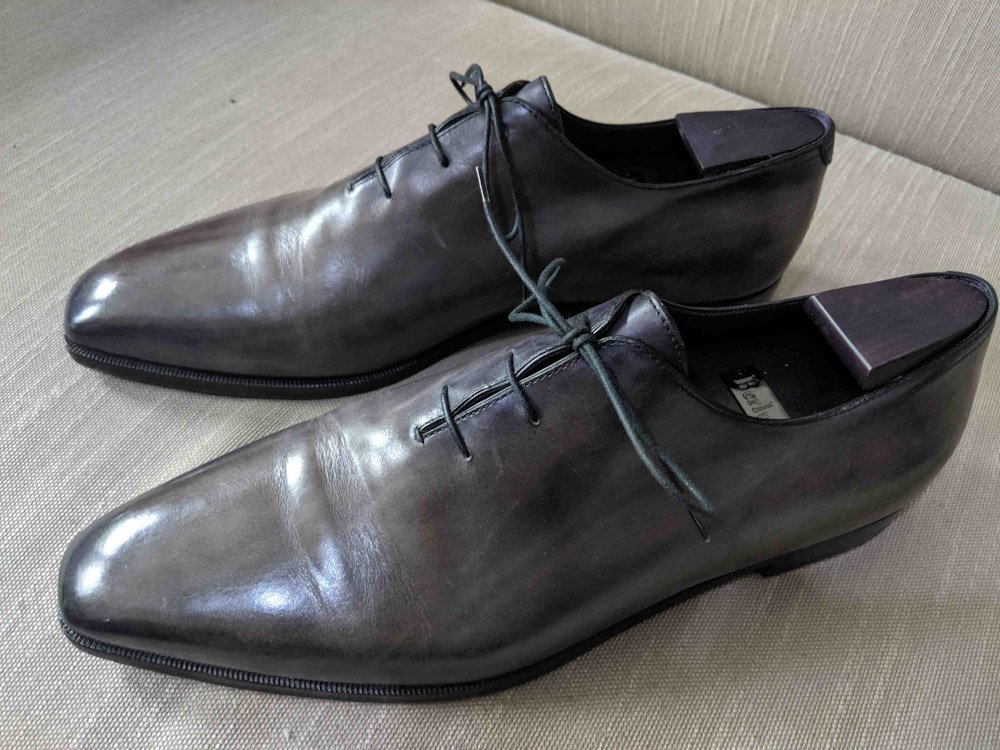
Use Shoe Trees For The Photos
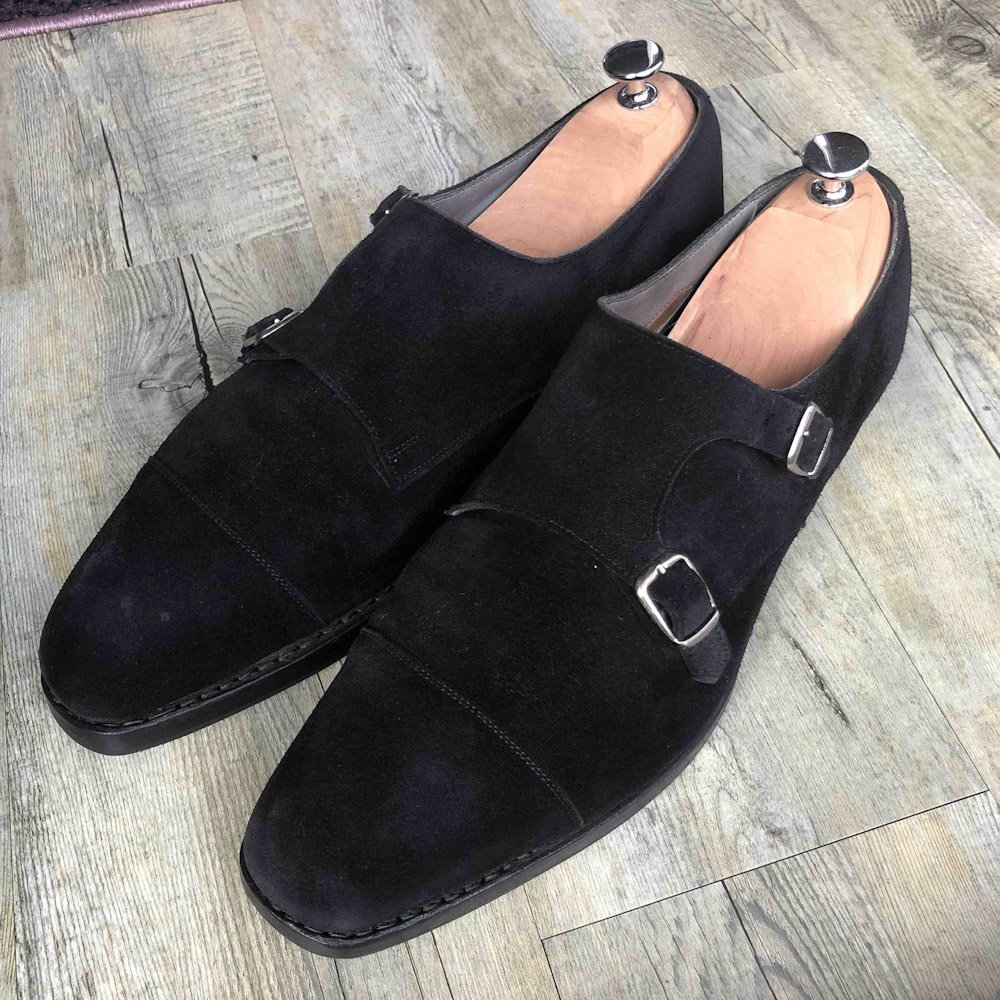
No used dress shoe looks its best without shoe trees. I do not care what brand it is.
Once a shoe has been worn, it loses the perfect shape it had when it came off the last. Creases form, the upper relaxes, and the toe can start to look flat or tired. Shoe trees bring the shape back and make the shoe look far more attractive.
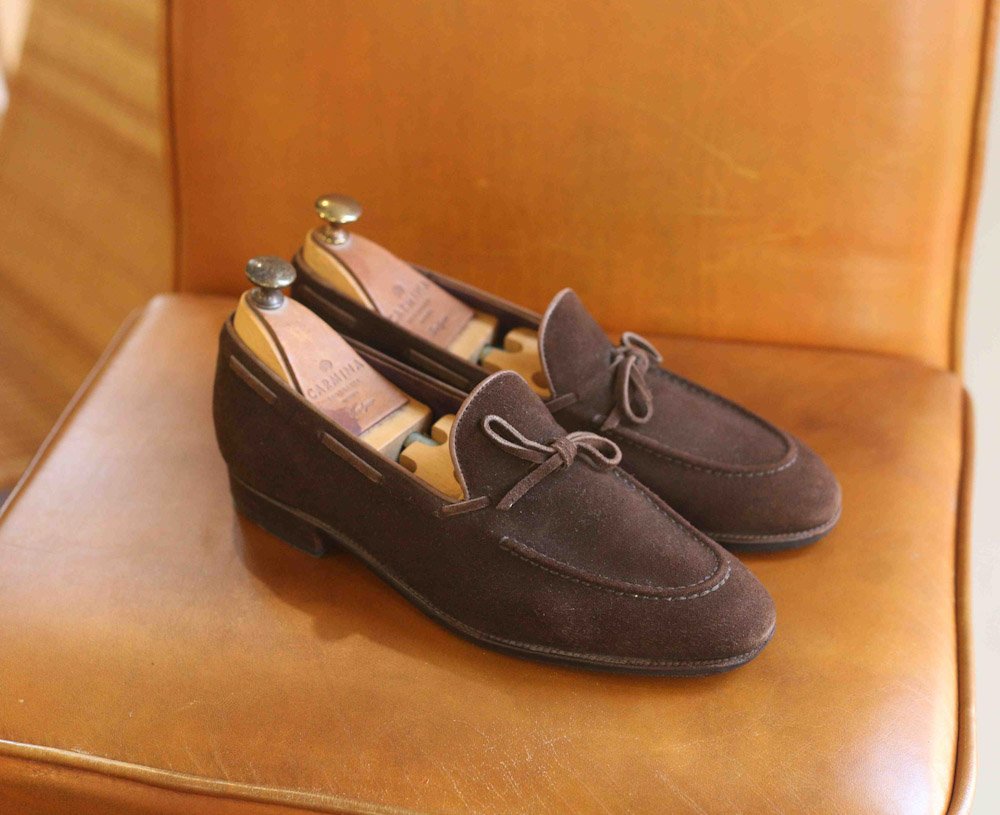
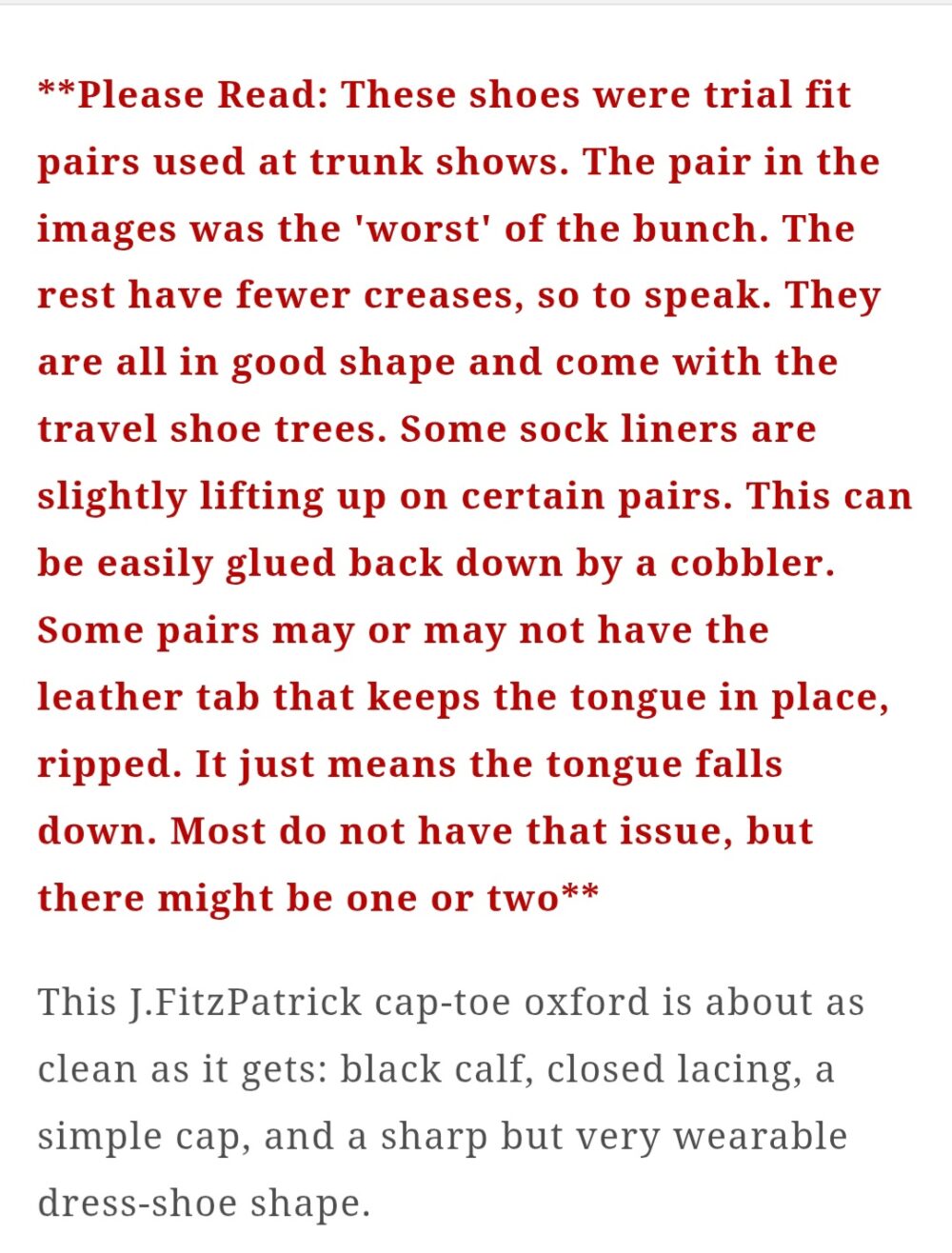
You do not necessarily have to include the shoe trees in the sale, although it can help. But you should absolutely use them for the photos. I always use the shoe trees, and most of the time, I do not include them in the sale. But you must give that warning if you do not intend to. But if you do not need the trees, sell them alongside the shoes. It will help speed up the sale.
A good shoe tree can be the difference between a pair looking tired and a pair looking like it still has plenty of life left.
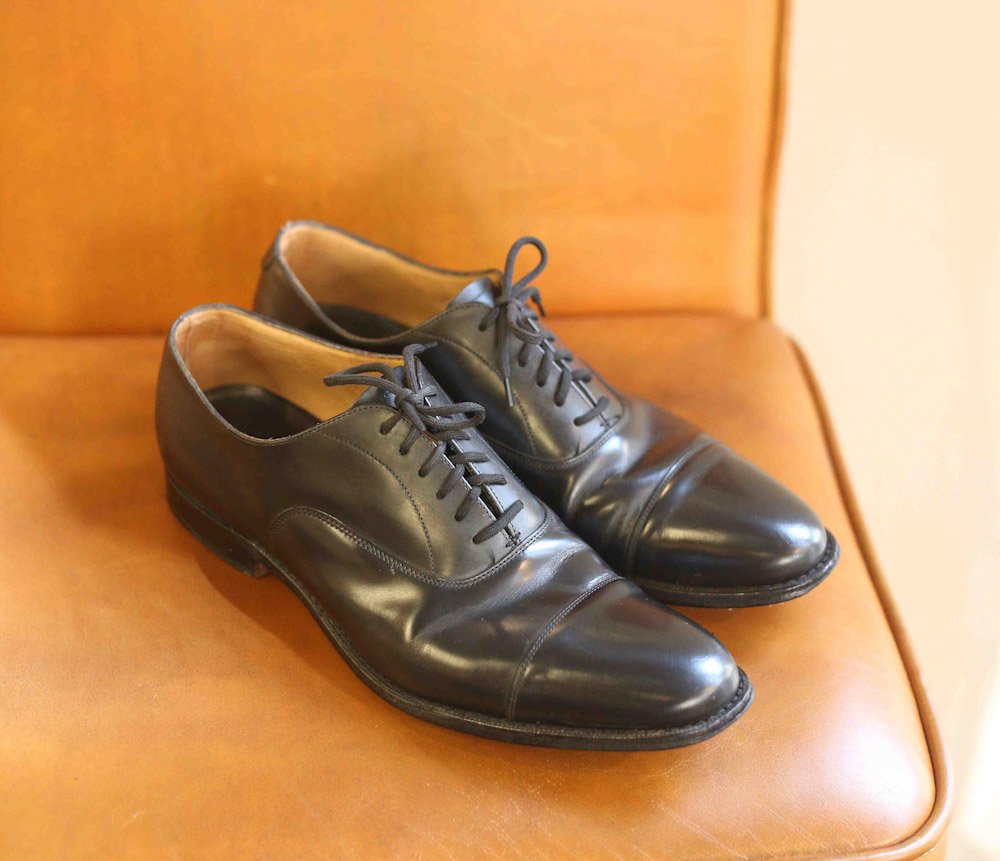
Take Proper Photos
Bad photography kills used shoe listings.
And the frustrating part is that good photography is not difficult. You do not need a professional camera. Most modern phones are perfectly capable. What you need is decent light, clean surroundings, and a little common sense.
Natural daylight is your friend. Photograph the shoes near a window or outside in indirect light. Avoid dark rooms, yellow overhead lighting, harsh flash, and messy backgrounds. No one wants to see your laundry, your carpet stains, or your kitchen counter full of random nonsense.
Also, do not shoot too close with a wide-angle phone lens, as it can distort the shape of the shoe and make the toe look wider or uglier than it is. Step back slightly, zoom in a touch if needed, and crop afterward. Shoes are all about shape, and if you ruin the shape in the photo, you ruin the appeal.
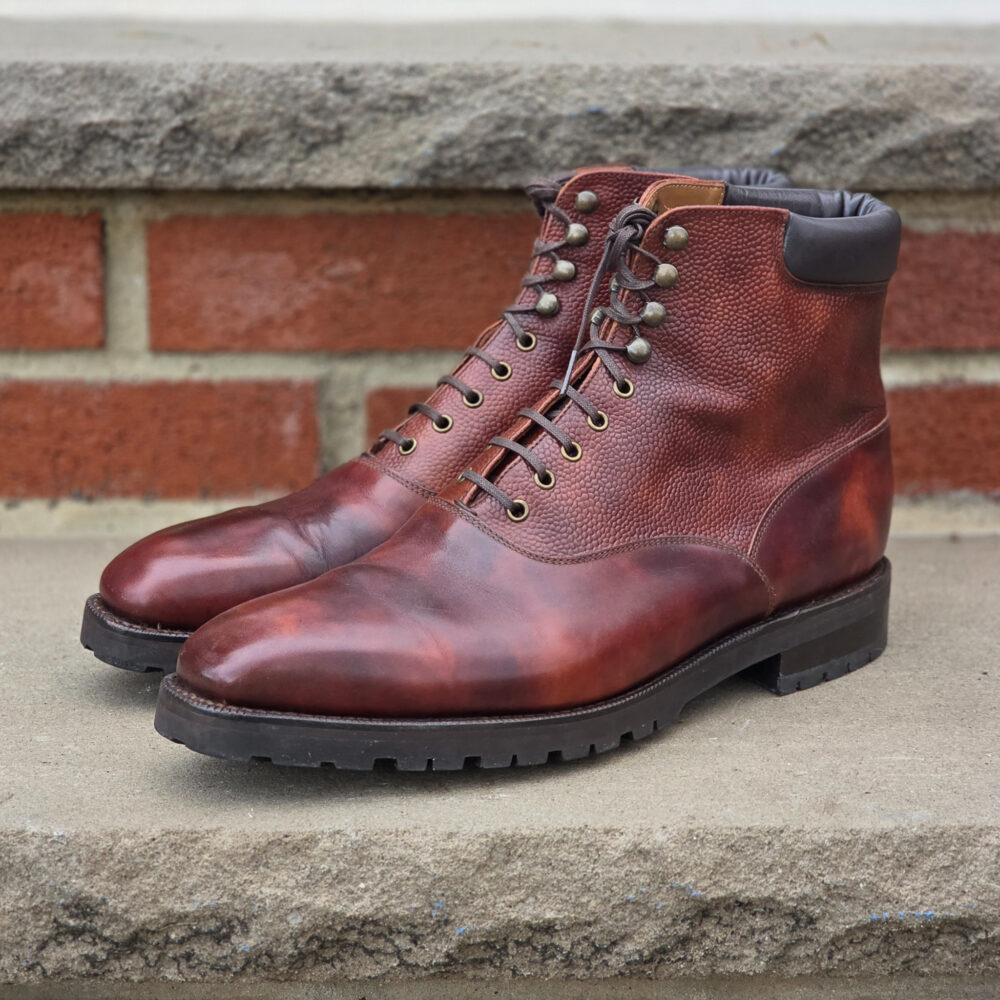
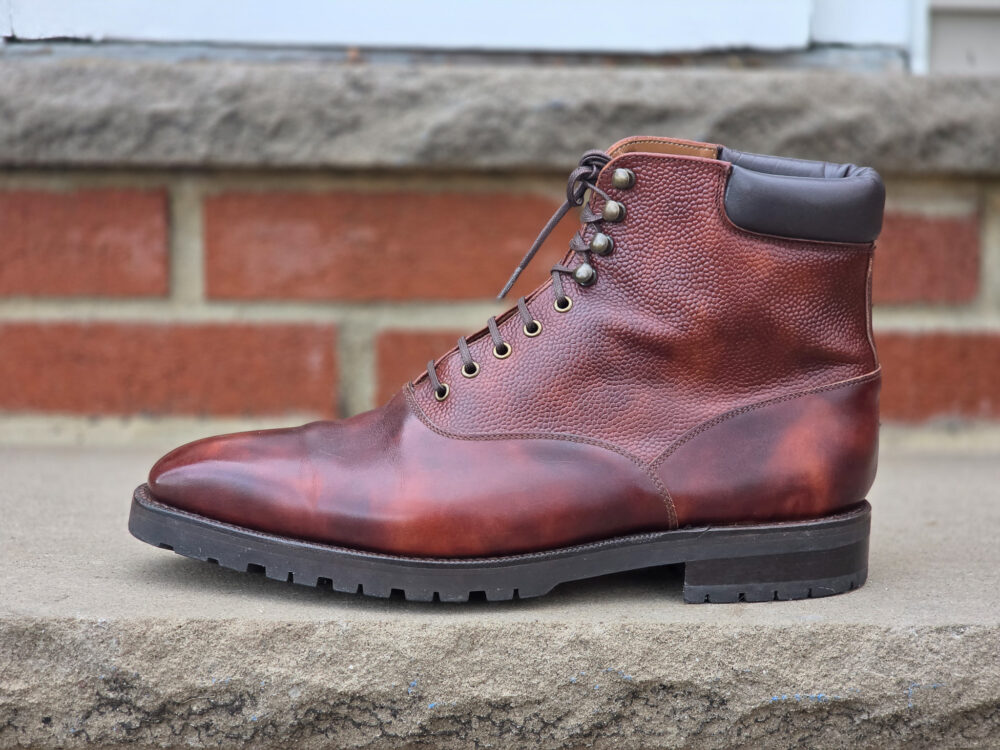
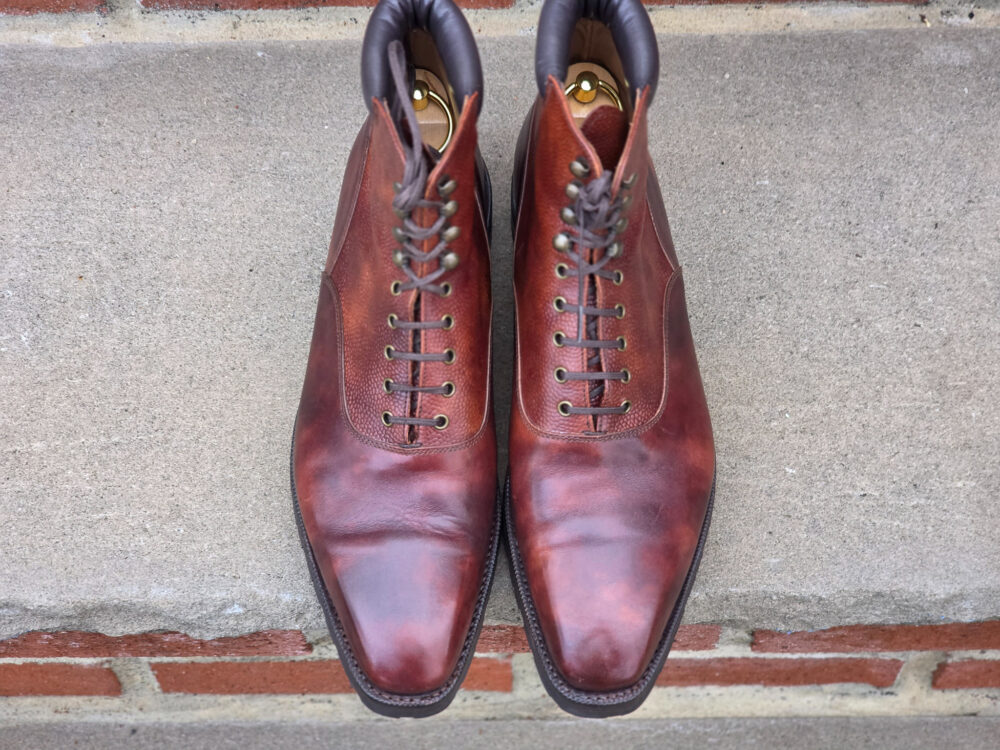
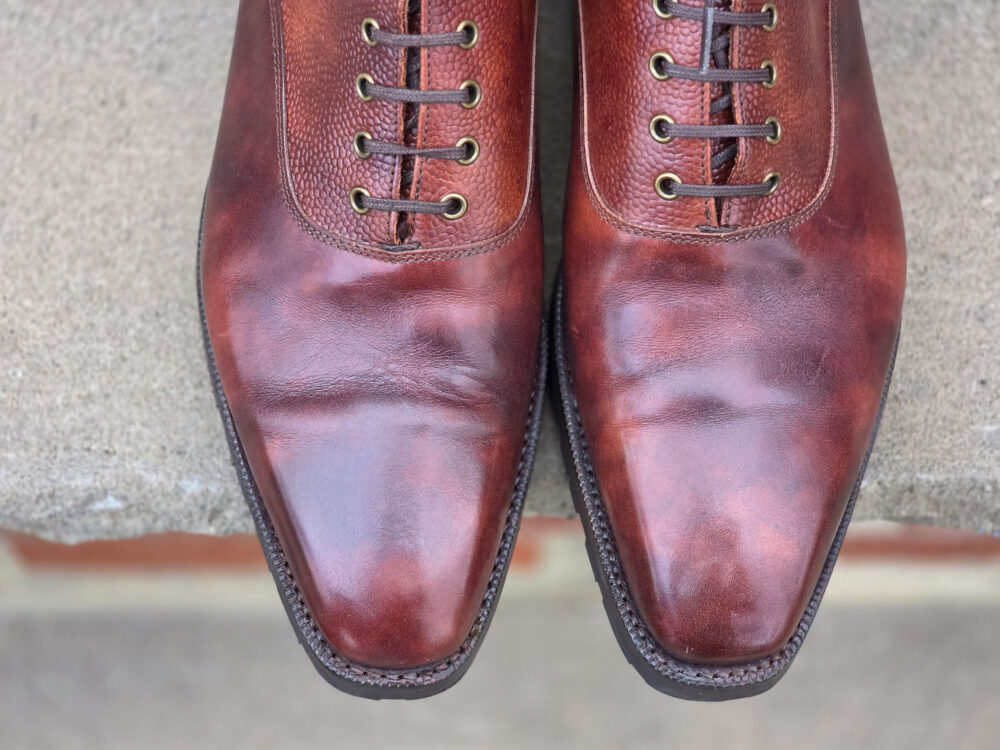
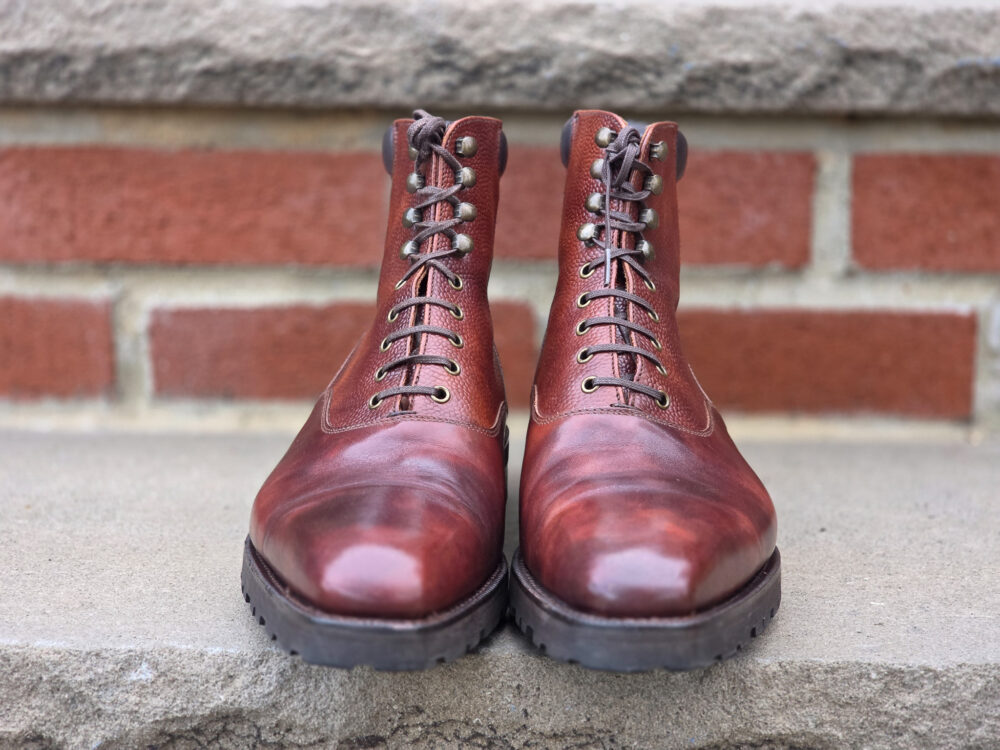
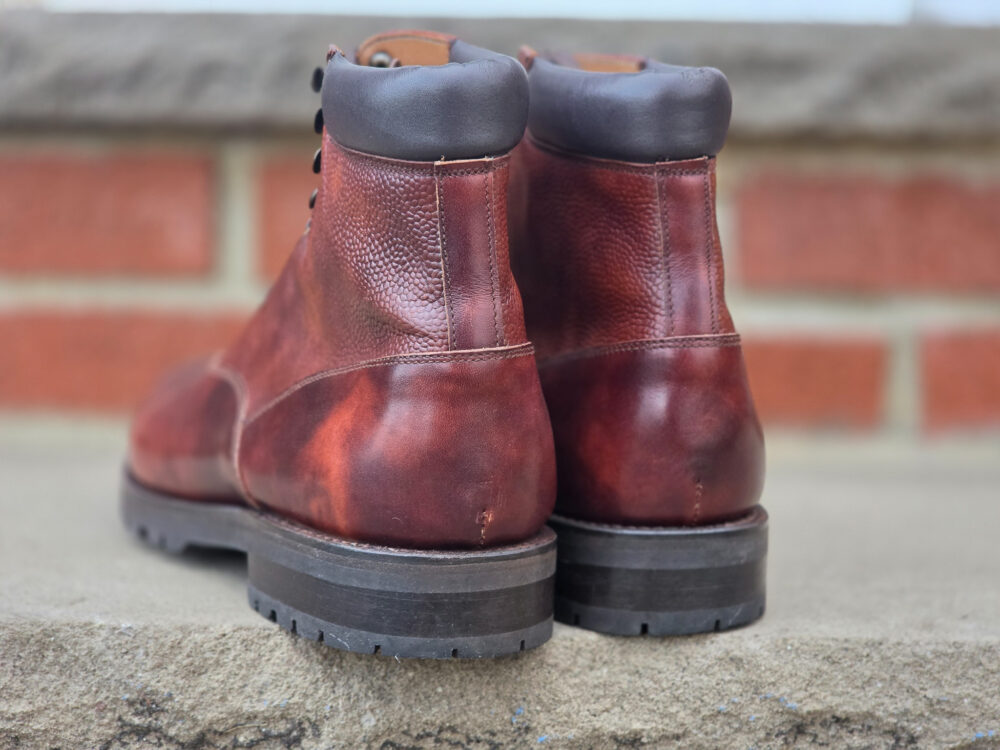
Take more photos than you need, then choose the best ones.
At minimum, show:
- Both shoes together from the front/side angle
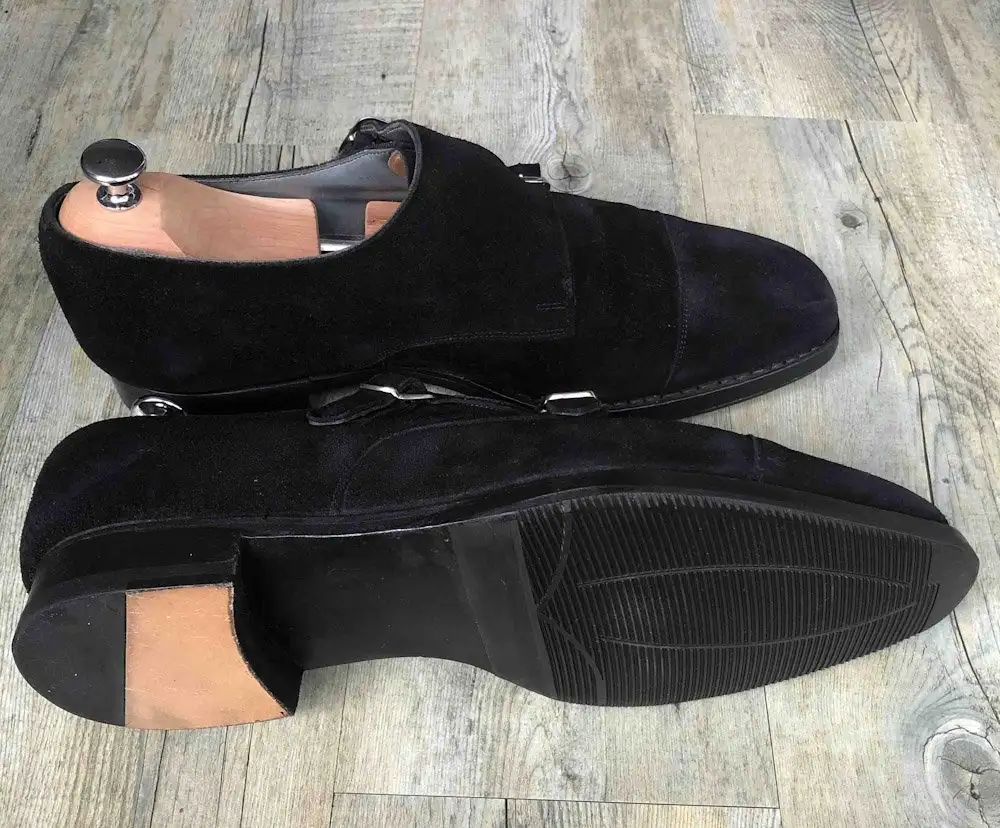
- Outer side profile
- Inner side profile
- Top-down view
- Heels
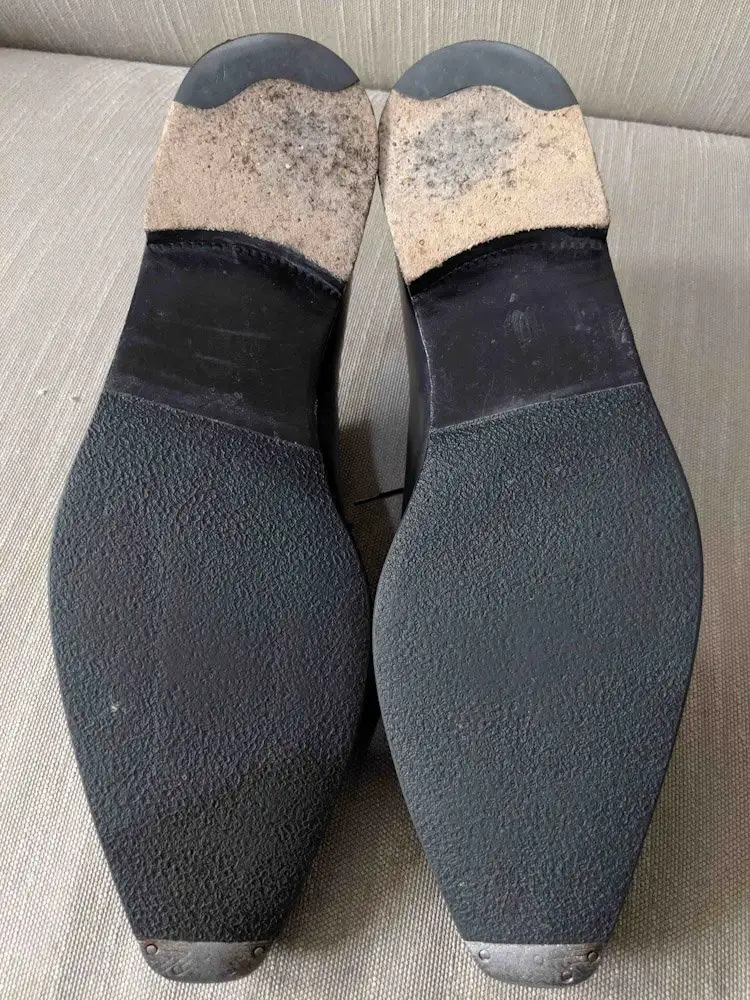
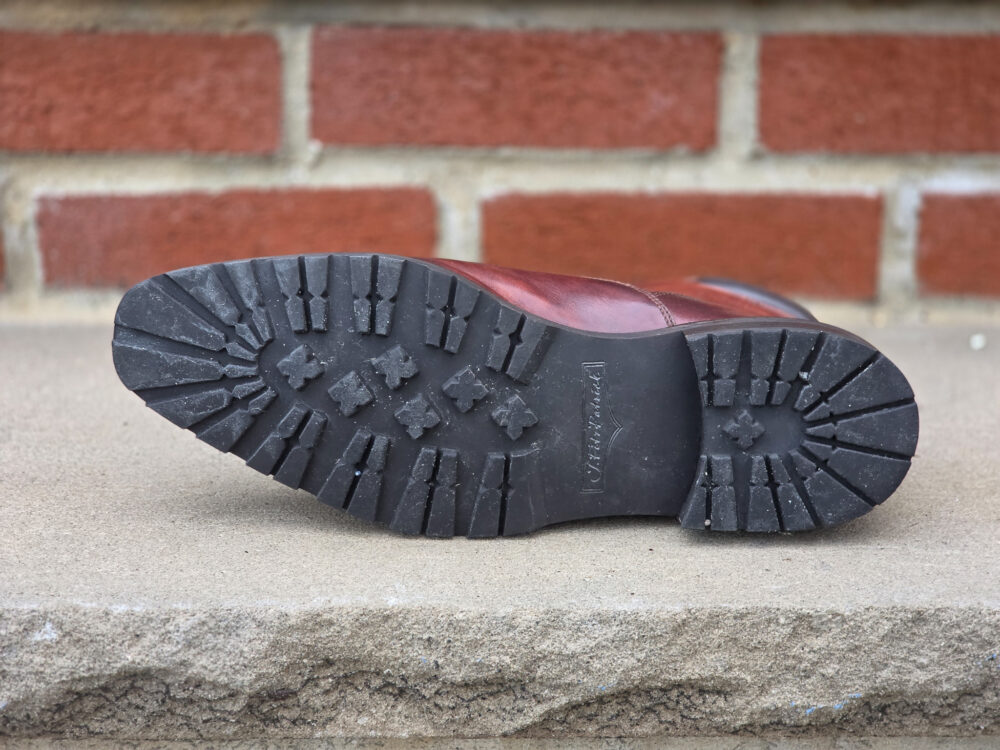
- Soles
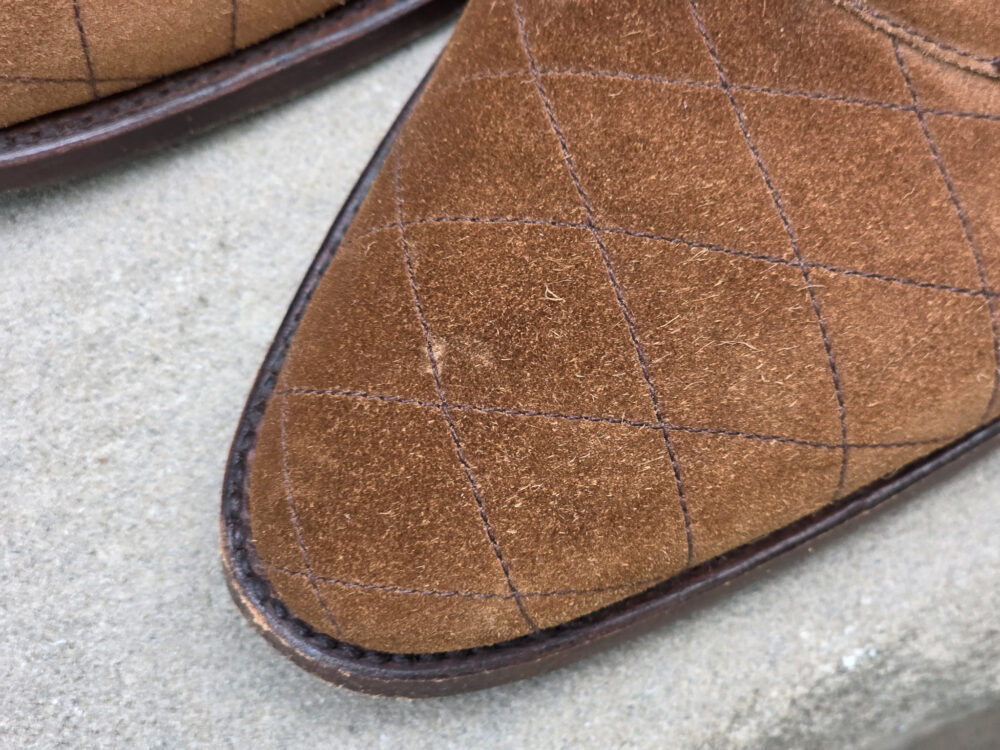
- Toe area
- Interior/lining
- Any damage, stains, or heavy creasing
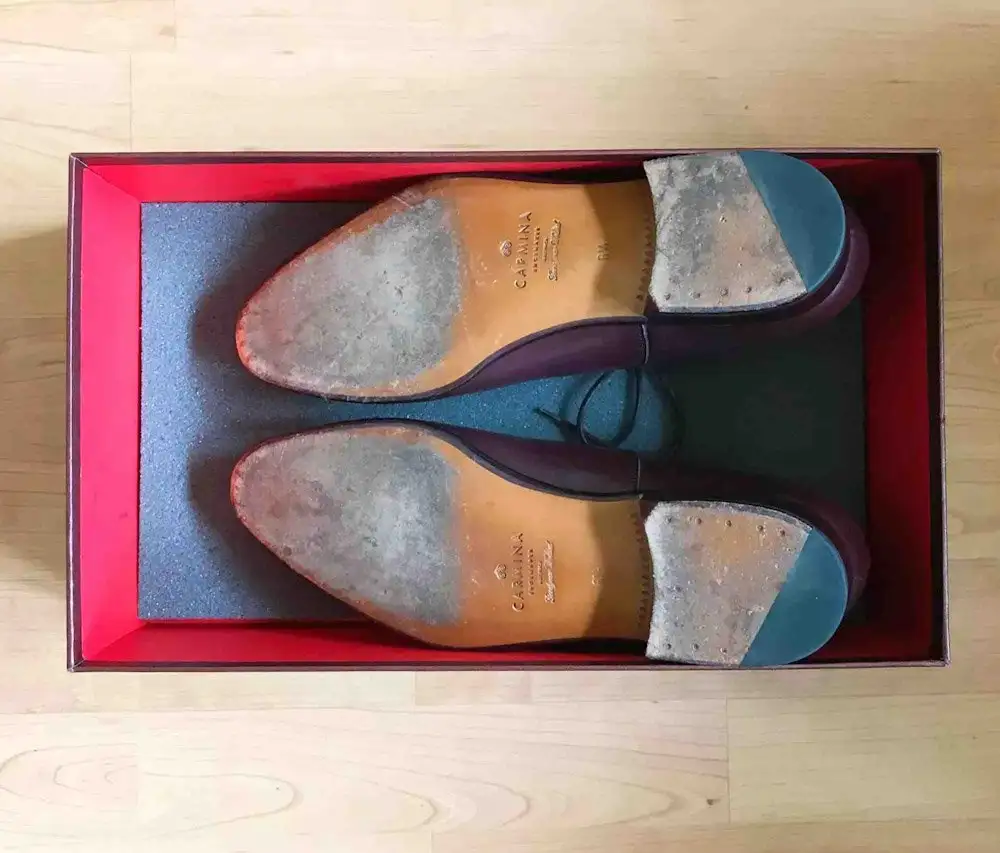
- Original box, bags, or accessories if included
Do not hide flaws. Show them clearly. A buyer discovering damage after delivery is far worse than a buyer seeing it upfront and deciding they are still happy with the price.
Honesty sells better than clever angles.
Show The Soles
The soles matter. A lot.
When buying used shoes, many buyers immediately look at the sole to judge how much wear the shoes have actually had. You can say “worn twice” all day long, but if the sole says otherwise, no one will believe you.
Clean the soles before photographing them. Show the full sole, the heel, the toe area, and any additions such as rubber sole guards, toe taps, or heel plates. Those details can add value because they show that money was spent to protect the shoe.
A clean, lightly worn sole helps justify your price. A hidden sole makes people suspicious.
Photograph The Interior
This is one of the most overlooked parts of selling used shoes.
Buyers want to know what the inside looks like. A clean interior, crisp branding on the insole, and minimal footbed imprint can make a pair far more attractive. It tells the buyer that the shoes were either lightly worn or at least well cared for.
If the footbed is heavily darkened, deeply imprinted, or visibly worn, show it anyway. Again, hiding it does not help. It only creates problems later.
Used shoes require trust. Interior photos help build that trust.
Be Clear About Sizing
Sizing can make or break the sale. Do not just write “size 9” and leave it there. Is it US 9? UK 9? EU 43? What last is it on? Does it fit true to size? Does it run narrow? Is it generous in the instep? Did you size down? Did you wear it with thin dress socks or thicker socks?
The more useful information you provide, the easier it is for the buyer to make a decision.
For example:
“Marked UK 7.5E. Fits like a standard US 8.5D in my experience. Slightly snug in the toe box, but with a generous instep. I normally wear US 8.5D in Allen Edmonds and UK 7.5 in most English makers, and these fit me well.”
That kind of detail is far better than: “Size 8. Fits good.” Fitting good for one is not universal.
This is especially important for high-end shoes, where lasts vary wildly. A buyer might love the shoe, but if they are unsure of fit, they may hesitate. Help them out.
Include The Brand, Model, Leather, Last, And Construction
If you know the details, include them.
Brand, model name, leather, color, last, construction method, sole type, width, and country of origin can all help your listing. Serious shoe buyers care about these things.
A listing that says “brown dress shoes” will not perform as well as one that says: “Carmina brown calf oxford on the Rain last, Goodyear-welted, leather sole, UK 8.”
The more precise you are, the more searchable and credible the listing becomes.
And if you do not know something, do not invent it. Just say you are unsure. Better that than calling every stitched shoe “hand-welted” or every corrected grain leather “top quality leather,” which, believe me, happens more often than it should, even by brands selling new shoes!
Be Honest About Condition
There is nothing wrong with selling used shoes that have wear. That is the whole point of the used market. But there is something wrong with pretending they are better than they are. If there is a flaw, show it.
Do not call shoes “mint” if they have obvious creasing. Do not call them “worn once” if the heel is half gone. Do not say “minor marks” when there is a giant scuff across the toe. Buyers are not stupid, and if they feel misled, you are asking for a return, a dispute, a public complaint, or simply no sales, ever.
Use simple condition language:
- New/unworn
- Tried on only
- Lightly worn
- Well worn
- Heavily worn
- Needs repair or restoration
Then explain what that means. Mention scuffs, stains, heel wear, sole wear, loose stitching, stretched elastic, worn lining, or anything else relevant.
You are not trying to scare the buyer away. You are trying to make sure the right buyer knows exactly what they are getting.
Make The Listing Easy To Read
You do not need to write a novel, but you do need to provide enough information.
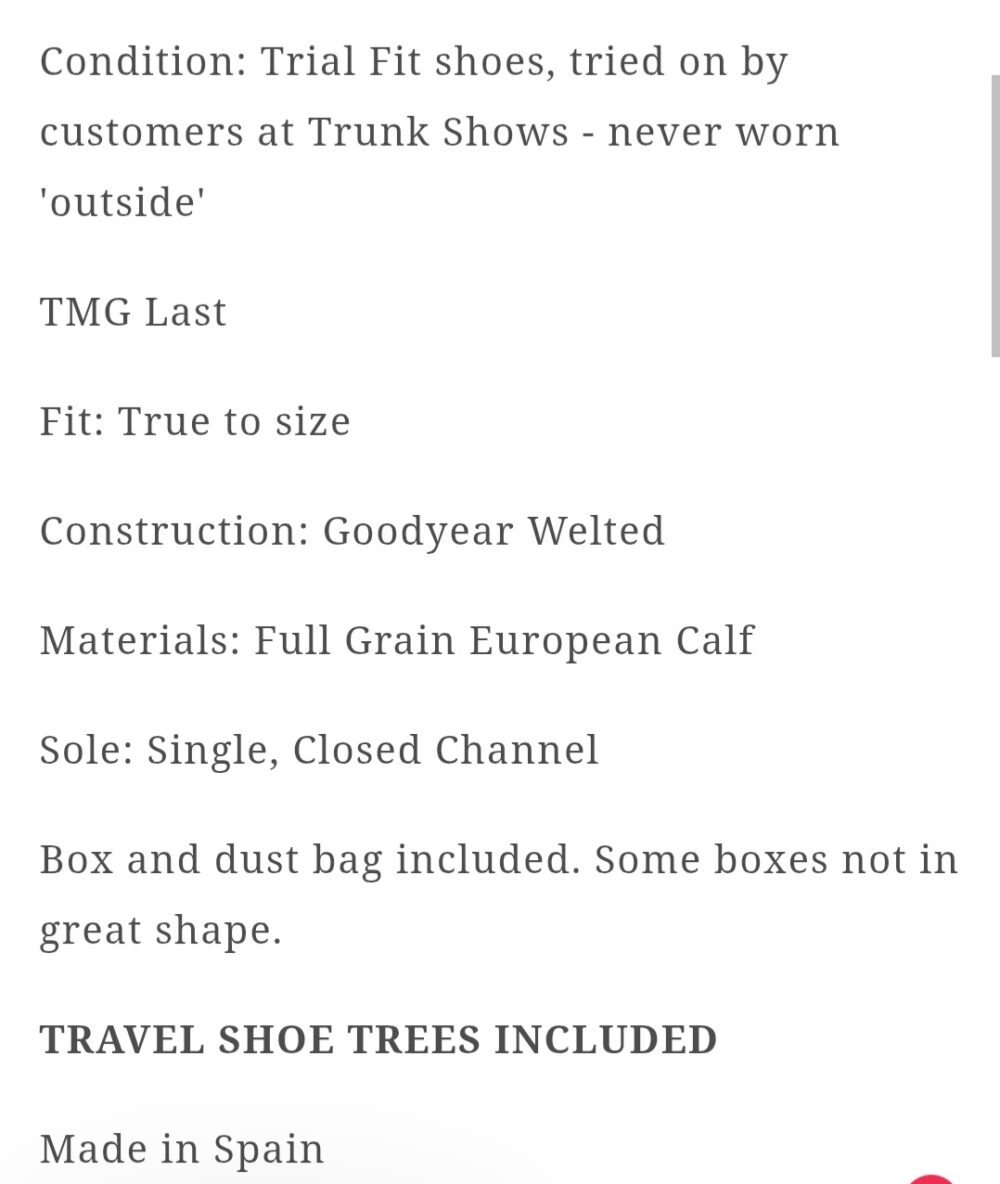
A good used shoe listing should include:
Brand:
Model:
Size:
Width:
Last:
Leather/color:
Sole:
Condition:
Original retail price:
Asking price:
Included: box, bags, trees, extra laces, etc.
Shipping location:
Notes on fit:
Known flaws:
That is it. Simple, clear, and useful.
The easier you make it for someone to understand the shoe, the easier it is for them to buy it.
Where To Sell Used Shoes
There are many places to sell used shoes, and each has its own audience. eBay is still one of the biggest platforms and gives you access to a large buyer base, but it also comes with fees, competition, and buyers who may not know much about proper footwear.
Grailed can work well for fashion-focused shoes, designer footwear, and certain niche brands. Vinted and similar resale apps can be useful, depending on your country and the type of shoe.
Facebook groups can be excellent if you are selling to a knowledgeable community, but you need to follow group rules and price fairly. Styleforum and other menswear forums can be good for classic menswear buyers, although the audience is usually more informed and therefore less likely to overpay.
Specialist marketplaces, where available, can also be useful because the audience is already looking for good shoes rather than just browsing random used clothing.
The best platform depends on the shoe. A pair of Edward Green, Alden, Carmina, Crockett & Jones, or bespoke shoes will likely do better in a place where buyers understand what they are. A random pair of used fashion shoes may do better on a broader resale platform.
Know your audience.
The Final Rule: Make The Buyer Feel Confident
Selling used shoes is not complicated. But it does require effort for a successful and quick transaction.
Price them fairly. Clean them. Use shoe trees. Take proper photos. Show the soles. Show the interior. Be honest about flaws. Explain the sizing. Give the buyer enough information to feel comfortable.
Most used shoe listings fail because the seller wants the result without doing the work. But if you do the basics properly, you immediately put yourself ahead of most sellers.
And if your shoes are not selling, do not overthink it. The photos are probably bad, the presentation is probably weak, or the price is too high.
Usually, it is the price. Second, it’s the photos. Work on those and you will sell quickly. Always photograph outside, in daylight. Not sunlight. Daylight.
If you don’t sell quickly. Drop the price, clean them up, retake the photos, and watch what happens.
If you enjoy educational content such as this post, please make sure to read my other educational blog posts here.
—Justin FitzPatrick, The Shoe Snob
Shop · Marketplace · J.FitzPatrick · Patreon